Hot-Formed Steel in Automotive Applications
Hot-Formed Steel in Automotive Use
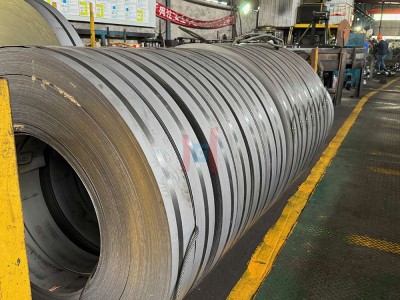
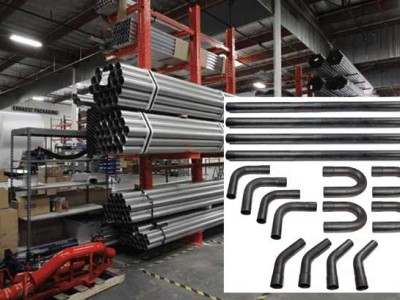
Hot-formed steel is widely used in car safety parts. These parts include A/B pillars, door beams, bumpers, and door sills. It is chosen because it is light and strong.
Both coated and uncoated types are used.
Uncoated Steel
Can form oxide scale when heated.
May lose carbon (decarburization).
Needs shot blasting to remove scale.
May bend if the part is thin.
Causes lower size accuracy.
Coated Steel
Does not form oxide scale.
Offers better corrosion resistance.
Is more widely used in the industry.
Types of Coatings
Hot-formed steel is usually coated in one of the following ways:
Aluminum-silicon (Al-Si)
Pure zinc (GI)
Galvannealed zinc (GA)
🔹 Note: Al-Si coating was first made by ArcelorMittal in the late 1990s.
🔹 A 75 g/m² single-side Al-Si coat is now the most common type.
New Coating Improvements
A new Al-Si coating has been made by Yi Hongliang and his team.
A carbon-rich layer was found between the steel and the coating.
Thinner coatings were used to lower carbon buildup.
This made the steel tougher and less likely to break.
Thin vs. Thick Coatings: A Comparison
Tests have been done to compare thin and thick coatings.
The following treatments were used:
Hot stamping
Welding
Bonding
Painting
Both types were tested to see how they perform in real-life conditions.
Summary Form
| Topic | Details |
|---|---|
| Main Material | Hot-formed steel |
| Applications | Car safety parts (pillars, beams, bumpers, sills) |
| Uncoated Steel Issues | Oxide scale, carbon loss, deformation, size error |
| Benefits of Coated Steel | No oxide, rust protection, better shape control |
| Common Coatings | Al-Si, GI (pure zinc), GA (galvannealed) |
| Most Used Coating | Al-Si with 75 g/m² on one side |
| New Technology | Thinner Al-Si layer, better toughness, less carbon buildup |
| Testing Methods | Stamping, welding, bonding, painting |
| Research Focus | Comparing thin vs. thick coatings in performance |