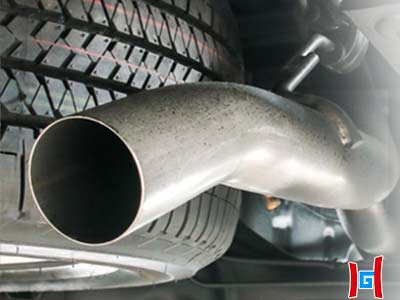
Aluminized Steel Plate and Galvanized Products
Difference Between Aluminized Steel Plate and Galvanized Aluminum-Magnesium Products
Aluminum-coated plates, also known as aluminized steel plates, have a coating with 90% aluminum and 10% silicon. These aluminized steel sheets offer excellent heat resistance, heat reflectivity, and corrosion resistance. On the other hand, galvanized aluminum-magnesium steel plates are a new type of highly corrosion-resistant coated steel. The coating consists mainly of zinc, with 1.5%-11% aluminum. The two products differ in their coating composition and performance. As an aluminized supplier, it’s important to understand these differences to provide the right material for various applications.
Difference Between Aluminum-Magnesium-Zinc and Hot-Dip Galvanizing
Coating Composition:
The main difference is in the coating composition. Galvanized steel sheets are coated only with zinc, providing good rust protection. In contrast, aluminized sheets contain both zinc and aluminum. The aluminum content makes the surface more prone to oxidation and rusting. Therefore, galvanized plates typically have a longer service life than aluminum-zinc plates. As an aluminized supplier, understanding this distinction can help when choosing materials for customers seeking optimal performance.Corrosion Resistance:
Hot-dip galvanizing is commonly used for steel sheets or wires. The zinc coating protects the steel from atmospheric erosion, preventing further corrosion. Zinc acts as a sacrificial metal, protecting the steel substrate. However, aluminized sheets offer stronger protection. The aluminum-iron-silicon-zinc structure creates a dense crystal barrier that prevents corrosion factors from penetrating. Aluminum provides a barrier layer, while zinc sacrifices itself to protect vulnerable spots, such as cut edges and scratches. Therefore, if galvanized products fail to prevent corrosion, aluminized sheets are a more effective choice.