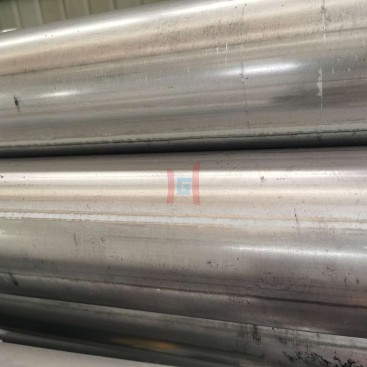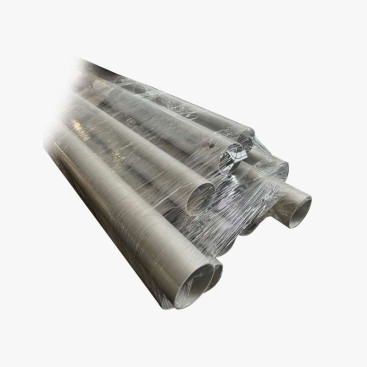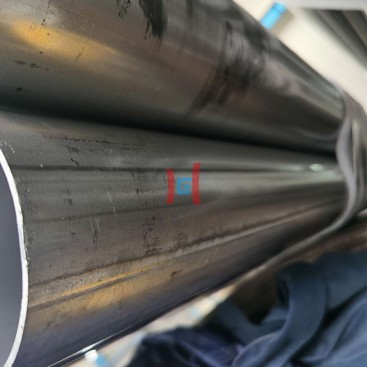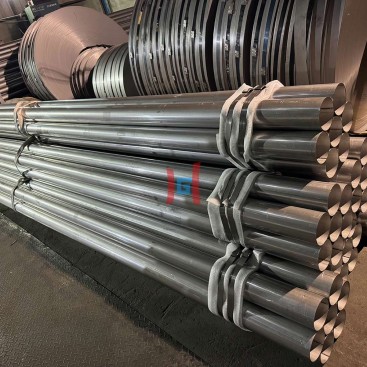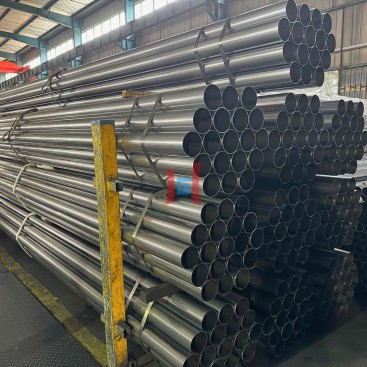
Aluminized Steel Tube Hs Code
- وصف
وصف
Calling a steel product a “pipe” or a “tube” does not, by itself, determine its HS classification. In customs practice, classification is based on the product’s objective characteristics, such as whether it is welded or seamless, its cross-section, steel composition, أبعاد, and applicable end use. The English commercial term used by a buyer or seller is not normally the deciding factor.
This distinction is particularly important for aluminized steel products because the same material may be described as an “aluminized steel pipe,” “aluminized steel tube,” or “aluminized tubing” in commercial communication. Changing the noun does not automatically create a different tariff classification.
The practical answer
Pipe versus tube is a commercial terminology question; HS classification is a product-characteristics question. If the underlying steel product, طريقة التصنيع, أبعاد, cross-section and applicable use remain the same, changing “pipe” to “tube” does not by itself justify a different HS code.
Does “Pipe” or “Tube” Change the HS Code?
At the HS level, Chapter 73 contains several headings covering iron or steel tubes, pipes and hollow profiles. The relevant structure distinguishes products according to technical and functional characteristics rather than simply asking whether the English description contains the word “pipe” or “tube.”
على سبيل المثال, headings 7304, 7305 و 7306 cover different categories of steel tubes and pipes. Within these headings, distinctions can be made according to manufacturing method, مادة, cross-section, dimensions and use. This means that the commercial wording should accurately describe the physical product, but the wording itself is not the classification rule.
Consequently, an exporter should not tell a customs broker that a product belongs to another tariff category simply because the customer calls it “tube” instead of “pipe.” The technical characteristics should be supplied first.
What Actually Determines Classification?
| Factor | Can Affect Classification? | Why It Matters |
|---|---|---|
| Pipe or tube wording | Generally no | Commercial terminology does not replace the product’s objective characteristics |
| Welded or seamless | نعم | Different manufacturing categories appear in the HS structure |
| Round or non-round cross-section | نعم | Circular tubes and other hollow profiles can follow different branches |
| Steel composition | نعم | Non-alloy, stainless and other alloy steel products are treated differently |
| Outside diameter or dimensions | Often yes | National tariff schedules may create additional dimensional subdivisions |
| Specific application | أحيانا | Certain tariff branches distinguish defined uses or product functions |
| طلاء بالألمنيوم | Must be checked | The coating should be declared accurately, but does not automatically create a separate pipe/tube category |
The important point is that several of these factors can work together. A small-diameter welded non-alloy steel product and a large-diameter seamless alloy-steel product are not classified differently because one is called “tube” and the other “pipe.” Their technical characteristics lead the classification analysis.
Welded vs Seamless: A Real Classification Difference
Manufacturing method is much more significant than commercial terminology. The HS structure separates seamless steel tubes and pipes from various welded products. Heading 7304, for example, covers certain seamless products, while welded products can fall under headings such as 7305 أو 7306 depending on their characteristics.
لذلك, if two products have otherwise similar commercial descriptions but one is welded and the other is seamless, their classification analysis can be different. Calling both products “tube” does not make them equivalent for customs purposes.
What to write in the specification
Instead of simply stating “steel tube”, provide the material grade or composition, طريقة التصنيع, القطر الخارجي, سمك الجدار, cross-section and intended application. This gives the customs professional information that can actually be used for classification.
Round vs Non-Round Products
Cross-sectional geometry can also change the classification path. A circular welded tube should not automatically be treated in the same way as a square, مستطيلة, oval or other hollow profile merely because both are sold commercially as “tubes.”
The relevant HS provisions contain distinctions for circular and other forms of hollow products. The actual geometry should therefore be stated clearly in technical and customs documentation.
This is especially important for structural hollow sections. A buyer may casually describe a square hollow section as a “tube,” but the customs analysis should follow the product’s actual shape and the applicable tariff language.
مادة: Non-Alloy, Alloy or Stainless Steel
Steel composition is another major classification branch. Within heading 7306, for example, the tariff structure contains separate branches for certain welded circular stainless steel products and other alloy steel products, alongside provisions for iron or non-alloy steel products.
This means that “tube” is not a material category. A stainless steel tube and a non-alloy carbon steel tube can have completely different classification routes even when their outside dimensions are identical.
For aluminized steel, the coating should not be confused with the base-metal classification. The supplier should provide the underlying steel grade or chemical composition so that the classification can be evaluated from the actual material rather than the surface appearance.
Does a Smaller Diameter Automatically Mean a Different Code?
Not simply because the product is small. لكن, diameter can matter when the applicable national tariff schedule specifically uses dimensional thresholds to create additional subdivisions.
This distinction is important. A buyer might incorrectly reason that a small product should be called “tube” while a large product should be called “pipe,” and then assume that the terminology explains the tariff difference. In reality, if diameter affects the classification, it is the dimensional threshold in the tariff schedule—not the commercial noun—that creates the distinction.
National tariff schedules can extend the six-digit HS structure with additional digits and technical subdivisions. لذلك, dimensions should always be supplied to the customs broker when requesting a final national classification.
Does the Aluminized Coating Create a Different Classification?
An aluminized surface is an important part of the product description, but it should not automatically be treated as a completely different type of steel pipe or tube for tariff purposes.
The correct approach is to classify the complete product according to the applicable tariff rules. The underlying steel, عملية التصنيع, أبعاد, cross-section and use should be established first, while the surface treatment should also be disclosed and checked against the destination country’s tariff provisions.
This avoids another common mistake: assuming that the coating itself determines the entire classification. In many steel-product classifications, surface treatment can be an allowed characteristic of a product within a broader heading rather than an automatic reason to move it elsewhere.
Pipe vs Tube: Terminology vs Classification
| Question | Commercial Thinking | HS Classification Thinking |
|---|---|---|
| What is it called? | Pipe or tube | Name alone is not decisive |
| How is it made? | May be described loosely | Welded or seamless can be critical |
| What shape is it? | Often both are called tube | Circular and non-circular forms can follow different branches |
| What steel is it? | May be omitted from short descriptions | Composition can determine the classification family |
| How large is it? | Usually a purchasing specification | Diameter or wall thickness may determine national subdivisions |
| What is it used for? | Application requirement | Certain defined uses can affect classification |
| Is it coated? | Important product feature | Must be disclosed and evaluated under the relevant tariff provisions |
Three Common Misunderstandings
1. “Tube” Means a More Precise Product
In engineering and commercial practice, “tube” can sometimes suggest tighter dimensional control, mechanical tubing or a particular application. That does not mean the word itself creates a separate HS classification.
If precision, تسامح, surface condition or manufacturing standard is relevant, those characteristics should be stated explicitly. Customs classification should not be based on the implied meaning of a marketing term.
2. A Coating Automatically Changes the Code
A coating can be relevant to classification, but “aluminized” does not by itself establish the final tariff number. The base steel and physical characteristics remain essential parts of the analysis.
3. Small Diameter Means Tube and Large Diameter Means Pipe
This is a useful commercial distinction in some industries, but it is not a safe customs rule. If a tariff schedule creates diameter-based subdivisions, the applicable threshold comes from the tariff language. The English name does not determine where the threshold lies.
How Should Trade Documents Describe the Product?
For customs declarations, invoices, packing lists and technical documents, consistency is more useful than switching terminology between “pipe” and “tube.” Where appropriate, a formal description using ماسورة can be followed by the key technical specifications.
A practical description might identify:
- Product: steel pipe
- مادة: applicable steel grade or composition
- تصنيع: welded or seamless
- شكل: circular, مربع, rectangular or other cross-section
- Dimensions: outside diameter and wall thickness
- سطح: aluminized coating where applicable
- طلب: actual intended use where relevant
- أصل: actual country of origin
The exact wording should match the actual merchandise and the requirements of the importing country. Do not change the product description merely to obtain a preferred tariff classification.
Keep Pipe and Tube Terminology Consistent Across Documents
Using different names for the same physical product across the commercial invoice, packing list, certificate, inspection documents and customs declaration can create unnecessary questions. If the product is commercially marketed as a tube but the customs documentation uses “pipe,” the technical specifications should make clear that both descriptions refer to the same merchandise.
The objective is not to find a particular word that produces a favorable tariff number. The objective is to describe the imported product accurately enough for the classification authority to apply the correct tariff provision.
How Teda Ganghua Can Support Technical Documentation
For overseas procurement managers sourcing coated steel tubing, Teda Ganghua can provide the technical information needed to distinguish terminology from actual product characteristics. A purchasing enquiry can include the steel grade, ملحومة أو سلسة البناء, القطر الخارجي, سمك الجدار, طول, متطلبات الطلاء, application and destination market.
For enquiries involving أنابيب الصلب بالألمنيوم, Teda Ganghua can coordinate the product specification with material documentation, متطلبات التفتيش, packaging and export documents. This helps the buyer and customs broker review the same technical description rather than relying on the difference between “pipe” and “tube.”
The final national tariff classification should still be confirmed by the destination country’s customs authority or qualified customs professional, particularly where the detailed tariff code, trade remedies or other import controls create significant commercial consequences.
A Practical Classification Checklist
1. Identify the steel.
Confirm the actual chemical composition and applicable material grade.
2. Identify the manufacturing method.
Confirm whether the product is welded or seamless.
3. Identify the cross-section.
Confirm whether it is circular or another hollow profile.
4. Record the dimensions.
Provide outside diameter, wall thickness and other dimensions required by the tariff schedule.
5. State the application.
Identify a defined end use when the applicable tariff distinguishes products by use.
6. Disclose the surface treatment.
State the aluminized coating accurately without assuming that the coating alone determines classification.
7. Check the destination country.
Confirm the current national tariff extension rather than copying a code from another market.
8. Keep documents consistent.
Use a clear product description and make sure the invoice, packing list, certificates and customs declaration describe the same physical merchandise.
The Bottom Line
“Pipe” and “tube” are not two automatic HS classifications. The word selected in an English product description does not normally determine the tariff heading. What matters is the product itself: steel composition, طريقة التصنيع, cross-section, أبعاد, application and other characteristics defined by the applicable tariff schedule.
For aluminized steel products, the coating should be disclosed accurately, but it should not be assumed that the coating or the commercial word “tube” automatically changes the classification. Likewise, a diameter threshold can affect a national tariff subdivision when the tariff says so, but that is a dimensional rule rather than a pipe-versus-tube naming rule.
The safest practice is therefore to describe the merchandise consistently as a steel pipe or tube with its مادة, طريقة التصنيع, هندسة, أبعاد, coating and intended use, and then have the destination country’s current tariff schedule or customs authority determine the final national code.
الأسئلة المتداولة
Does calling a product a tube instead of a pipe change its HS code?
لا. The commercial term alone does not normally determine classification. Customs classification is based on the product’s objective characteristics and the applicable tariff rules.
What is more important than the pipe or tube name?
Key factors include whether the product is welded or seamless, its steel composition, cross-sectional shape, القطر الخارجي, wall thickness and applicable use. The destination country’s tariff schedule determines which characteristics are legally relevant to the detailed classification.
Does a small steel tube have a different HS code from a large steel pipe?
It can have a different detailed national tariff subdivision if the applicable tariff uses diameter or other dimensional thresholds. وسينتج الفرق عن معايير التعريفة المذكورة, ليس من خلال تسمية منتج واحد بالأنبوب والآخر بالأنبوب.
هل يحدد الطلاء بالألمنيوم تصنيف النظام المنسق؟?
ليس في حد ذاته. The underlying steel, طريقة التصنيع, هندسة, يجب تقييم الأبعاد والاستخدام جنبًا إلى جنب مع المعالجة السطحية بموجب أحكام التعريفة الجمركية لبلد الوجهة.
كيف ينبغي للمصدر أن يصف الأنبوب الفولاذي المغطى بالألمنيوم في المستندات الجمركية؟?
استخدم وصفًا دقيقًا ومتسقًا يحدد المادة الفولاذية, ملحومة أو سلسة البناء, cross-section, أبعاد, المعالجة السطحية بالألمنيوم والتطبيقات ذات الصلة. يجب أن تمتثل الصياغة النهائية للمتطلبات الجمركية للبلد المستورد ولا ينبغي تعديلها لمجرد استهداف فئة تعريفية مفضلة.