- وصف
وصف
Aluminized Steel Tube vs Galvanized vs Stainless: Price-Performance Comparison
Choosing between aluminized steel tube price, galvanized steel tube, and stainless steel tube requires more than comparing the initial purchase cost. Different materials provide different levels of heat resistance, الحماية من التآكل, متانة, and service life.
For applications such as automotive exhaust systems, معدات التدفئة, والأنابيب الصناعية, the best material choice depends on operating temperature, بيئة التآكل, fabrication requirements, and long-term maintenance cost.
Basic Difference Between Three Tube Materials
| مادة | الطلاء الرئيسي / ميزة | Typical Application |
|---|---|---|
| أنبوب فولاذي بالألمنيوم | Aluminum-silicon coating with heat resistance | أنظمة العادم, أفران, heat equipment |
| أنابيب الصلب المجلفن | Zinc coating for corrosion protection | بناء, general piping |
| أنبوب من الفولاذ المقاوم للصدأ | Chromium-based corrosion resistance | Food, كيميائية, high-corrosion environments |
مقارنة السعر: Initial Cost vs Long-Term Value
The purchase cost of tubes is influenced by raw materials, عملية التصنيع, coating technology, and required performance. عمومًا, galvanized steel is selected for lower-cost applications, aluminized steel provides a balance between cost and heat resistance, while stainless steel offers premium performance.
| مادة | Initial Cost Level | Long-Term Performance |
|---|---|---|
| أنابيب الصلب المجلفن | قليل | Good in normal environments |
| أنبوب فولاذي بالألمنيوم | واسطة | مقاومة ممتازة للحرارة والأكسدة |
| أنبوب من الفولاذ المقاوم للصدأ | أعلى | Excellent corrosion resistance and durability |
Heat Resistance Comparison
Temperature performance is one of the biggest differences between these materials. In high-temperature environments, coating stability becomes a key factor affecting service life.
| مادة | الأداء الحراري | Typical Use Condition |
|---|---|---|
| الصلب المجلفن | Limited at elevated temperature | Normal temperature applications |
| الصلب بالألمنيوم | Strong oxidation resistance | Hot exhaust and heating systems |
| الفولاذ المقاوم للصدأ | Excellent high-temperature stability | Extreme environments |
Corrosion Resistance Comparison
Corrosion resistance depends on environmental exposure. Aluminum coating provides strong protection against oxidation, while stainless steel relies on its chromium passive layer.
- الصلب الألمنيوم: Excellent resistance to oxidation and hot corrosion.
- الصلب المجلفن: Good protection in moisture environments but less suitable for high heat.
- الفولاذ المقاوم للصدأ: Superior resistance against chemicals and aggressive corrosion.
Fabrication and Processing Differences
| Factor | الصلب بالألمنيوم | الفولاذ المقاوم للصدأ |
|---|---|---|
| لحام | Requires coating protection | Requires proper filler selection |
| الانحناء | قابلية جيدة للتشكيل | Higher strength requires more force |
| Machining | Relatively easy | Requires controlled processing |
Which Tube Material Should You Choose?
| Application Requirement | Recommended Material |
|---|---|
| أنظمة عادم السيارات | Aluminized steel tube |
| General outdoor piping | Galvanized steel tube |
| Food and chemical industries | Stainless steel tube |
| High-temperature equipment | Aluminized or stainless steel |
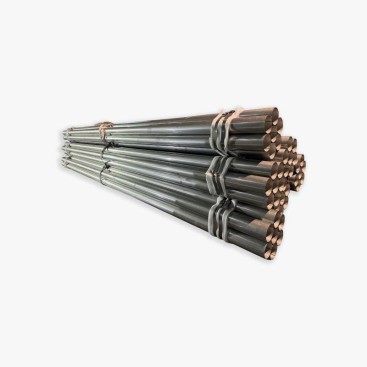
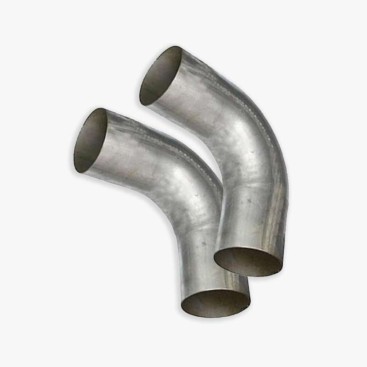
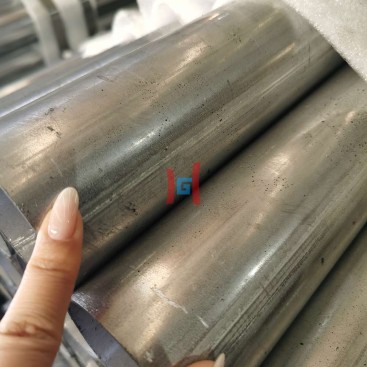
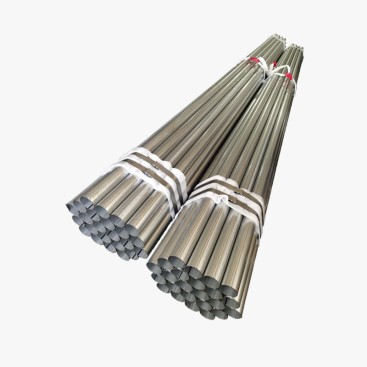
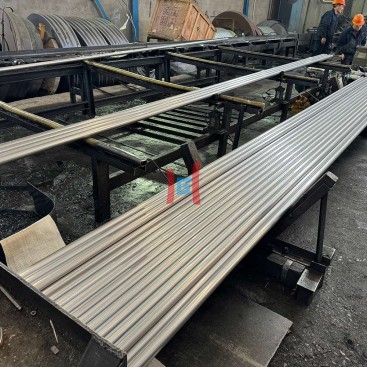
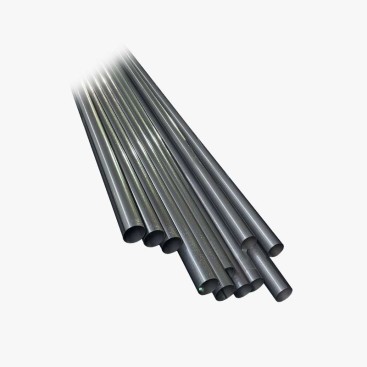
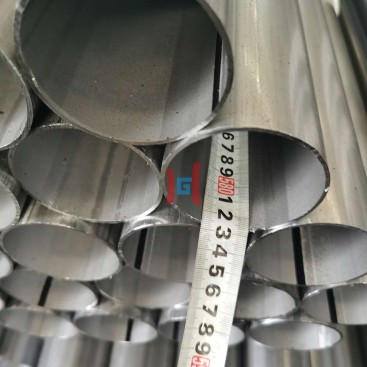
Teda Ganghua Aluminized Steel Tube Solution: Teda Ganghua supplies aluminized steel tubes designed for high-temperature and corrosion-resistant applications. With stable coating quality, accurate dimensions, and customized production capability, customers can select suitable products through our أنابيب الصلب بالألمنيوم category.
How to Evaluate Total Ownership Cost
The cheapest material is not always the most economical choice. Buyers should consider:
- Expected service life.
- Operating temperature.
- Maintenance frequency.
- Replacement difficulty.
- Fabrication requirements.
FAQ About Aluminized Steel Tube Price
1. Is aluminized steel tube cheaper than stainless steel?
In many applications, aluminized steel provides a more economical solution while maintaining strong heat resistance.
2. Why choose aluminized steel instead of galvanized steel?
يعمل الفولاذ المطلي بالألمنيوم بشكل أفضل في البيئات ذات درجات الحرارة العالية لأن طلاء الألومنيوم يوفر مقاومة أقوى للأكسدة.
3. هل الفولاذ المقاوم للصدأ هو الخيار الأفضل دائمًا؟?
يوفر الفولاذ المقاوم للصدأ مقاومة ممتازة للتآكل, ولكن قد لا يكون ذلك ضروريًا للتطبيقات التي يوفر فيها الفولاذ المطلي بالألمنيوم أداءً كافيًا.
4. ما هي العوامل التي يجب أن تؤثر على اختيار المواد?
درجة حرارة, بيئة التآكل, متطلبات عمر الخدمة, طريقة التصنيع, ويجب النظر في الميزانية معًا.