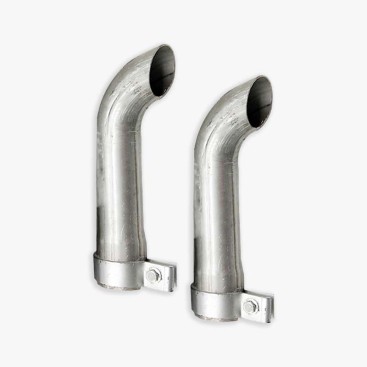
الألومنيوم مقابل العادم المجلفن


- وصف
وصف
Aluminized vs Galvanized Exhaust: Why Galvanized Steel Fails in High-Temperature Exhaust Service
Choosing the correct material for an automotive exhaust system is critical because exhaust pipes operate under extreme conditions, including high temperature, ركوب الدراجات الحرارية, moisture condensation, ملح الطريق, and acidic gases. Although galvanized steel and aluminized steel both use protective coatings, they are designed for completely different environments.
The conclusion is clear: galvanized steel is not suitable for exhaust system applications. The zinc coating that protects steel in normal atmospheric environments cannot withstand the thermal conditions inside automotive exhaust systems.
Why Galvanized Steel Fails in Exhaust Applications
Galvanized steel protects carbon steel through a zinc coating. Zinc provides excellent atmospheric corrosion protection because it works as a sacrificial coating. لكن, exhaust systems create a completely different operating environment.
| Factor | الصلب المجلفن | الصلب بالألمنيوم |
|---|---|---|
| الطلاء الرئيسي | طلاء الزنك | طلاء الألومنيوم والسيليكون |
| Coating Function | Sacrificial corrosion protection | Barrier protection and oxide film formation |
| High Temperature Suitability | فقير | Suitable for exhaust environments |
| Exhaust Application | Not recommended | Commonly used |
Problem 1: Zinc Melting Causes Rapid Coating Failure
The biggest limitation of galvanized steel in exhaust service is zinc’s low melting temperature. Zinc melts at approximately 419درجة مئوية, while exhaust components can commonly experience temperatures between 500-800درجة مئوية depending on location and operating conditions.
When exposed to these temperatures, the zinc coating loses its protective function. The coating can melt, evaporate, or transform into unstable oxide products, leaving the underlying carbon steel exposed.
| Temperature Range | Effect on Coating |
|---|---|
| Below 200°C | Zinc coating performs normally |
| Around 419°C | Zinc begins melting |
| 500-800°C exhaust environment | Coating protection rapidly decreases |
Problem 2: Zinc Welding Fumes Create Safety Concerns
Another important issue is welding safety. During welding or cutting of galvanized steel, the zinc coating can generate zinc oxide fumes.
Inhaling high concentrations of zinc oxide fumes may cause a condition commonly known as metal fume fever. Industrial welding operations require proper ventilation, respiratory protection, and appropriate safety procedures when working with galvanized materials.
Because exhaust manufacturing requires extensive bending, لحام, والتصنيع, galvanized steel creates additional production challenges compared with materials designed specifically for exhaust systems.
Why Aluminized Steel Performs Better in Exhaust Systems
Aluminized steel uses an aluminum-silicon coating, typically consisting of approximately 90% الألومنيوم و 10% السيليكون. The coating creates a protective aluminum oxide film during high-temperature exposure.
- Aluminum oxide provides strong oxidation resistance.
- The coating protects against exhaust gas corrosion.
- The surface performs better under repeated heating and cooling cycles.
- The aluminum layer provides better resistance to condensation corrosion.
Unlike zinc, aluminum-based protection is designed for elevated temperature environments such as exhaust pipes, مبادلات حرارية, and combustion-related equipment.
Aluminized Steel vs Galvanized Steel Exhaust Performance
| مقارنة | Galvanized Steel Exhaust | Aluminized Steel Exhaust |
|---|---|---|
| Temperature Resistance | Limited by zinc melting point | Designed for high-temperature oxidation resistance |
| Coating Stability | Degrades quickly at exhaust temperatures | Forms protective oxide layer |
| Condensation Corrosion | Poor after coating damage | Better resistance |
| Expected Service Life | Months to 1-2 years in severe conditions | تقريبًا 3-8 years depending on environment |
How to Identify Galvanized Pipe Mistaken as Aluminized Pipe
Some low-quality suppliers may market galvanized pipes as exhaust-grade coated pipes. Buyers can check several basic characteristics:
| Inspection Method | Observation |
|---|---|
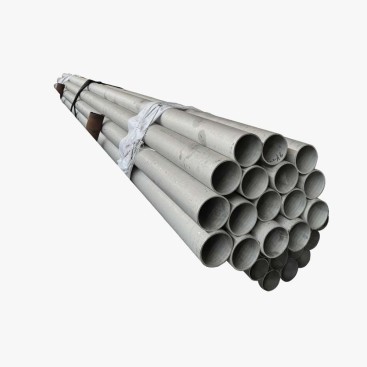
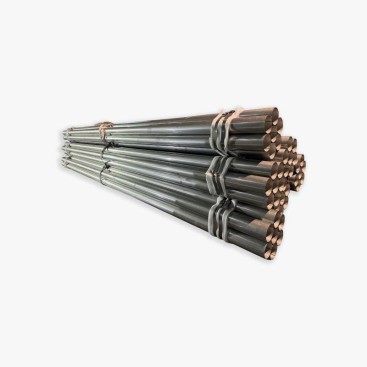
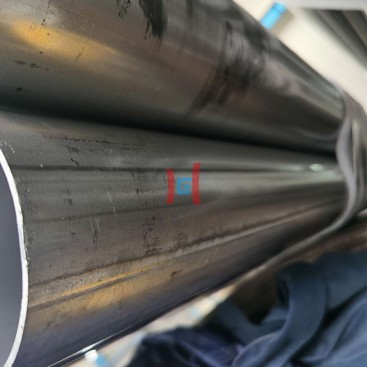
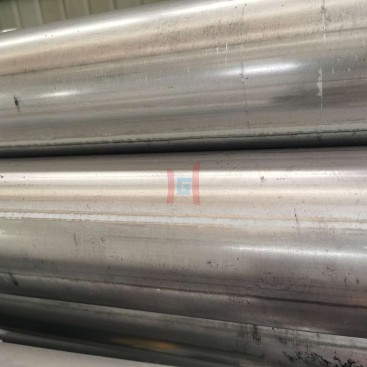
| المظهر السطحي | Galvanized steel usually has a brighter zinc appearance; aluminized steel has a smoother aluminum-gray surface |
| Magnetic Test | Both are magnetic because the steel substrate is magnetic |
| Coating Analysis | Professional testing can identify zinc or aluminum coating composition |
Industry Material Selection Practice
Automotive manufacturers generally avoid galvanized steel for exhaust applications because the coating system is not designed for continuous high-temperature exposure.
Common exhaust materials include aluminized steel, 409 الفولاذ المقاوم للصدأ, 439 الفولاذ المقاوم للصدأ, and other heat-resistant alloys depending on durability requirements.
Teda Ganghua Aluminized Steel Tube Solutions
Teda Ganghua provides aluminized steel tube solutions for automotive exhaust manufacturers and industrial applications. The products are developed for environments requiring heat resistance, حماية الأكسدة, and corrosion control.
With aluminized coating technology and reliable steel tube processing capability, لوازم تيدا جانجوا أنابيب الصلب بالألمنيوم suitable for exhaust systems, المعدات الحرارية, وتطبيقات درجات الحرارة العالية.
التعليمات
1. Can galvanized steel be used for automotive exhaust pipes?
لا. The zinc coating cannot withstand typical exhaust temperatures and may fail quickly during operation.
2. Why is aluminized steel used for exhaust systems?
It provides high-temperature oxidation resistance through an aluminum oxide protective layer and offers good corrosion protection.
3. What happens when galvanized steel is welded?
Welding galvanized steel can generate zinc oxide fumes, requiring proper ventilation and safety controls.
4. How long does aluminized exhaust pipe last?
Service life depends on climate and operating conditions, but many systems can operate for several years under normal environments.
5. Is stainless steel better than aluminized steel for exhaust?
Stainless steel generally provides longer corrosion resistance, while aluminized steel offers a better balance between performance and cost.