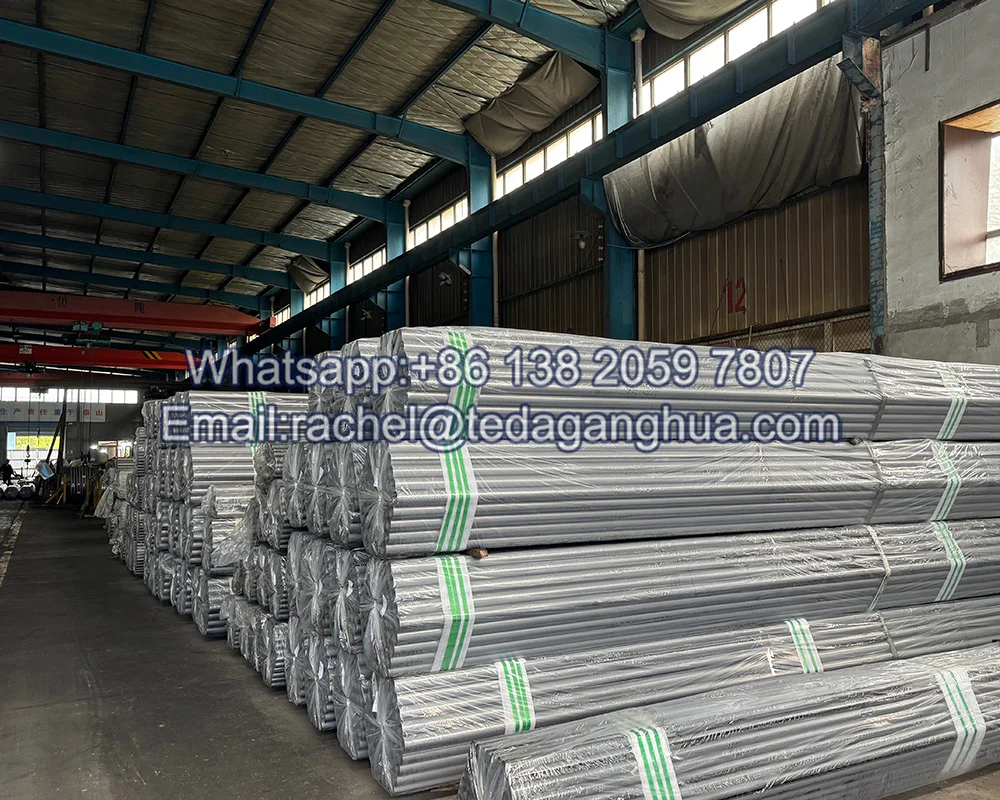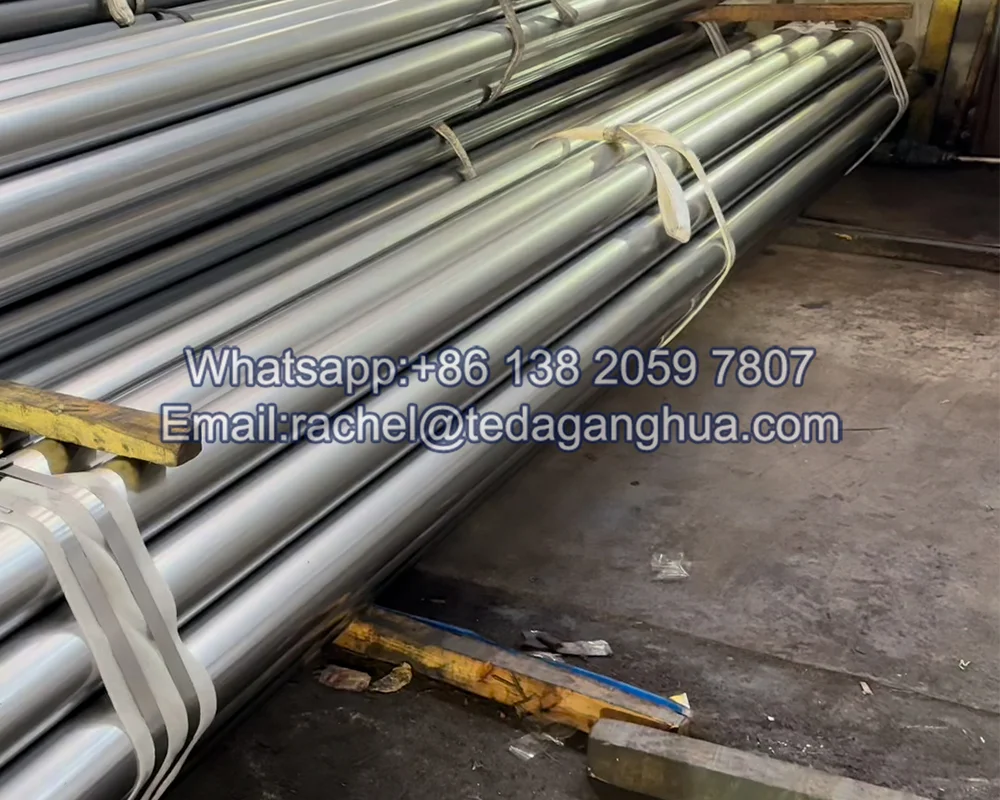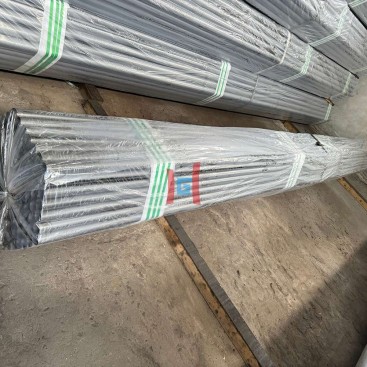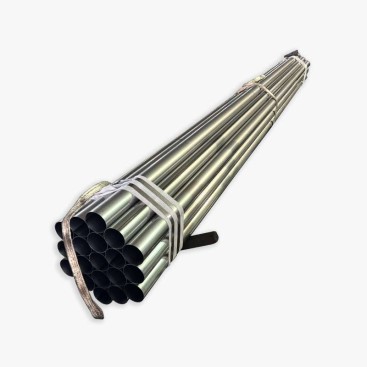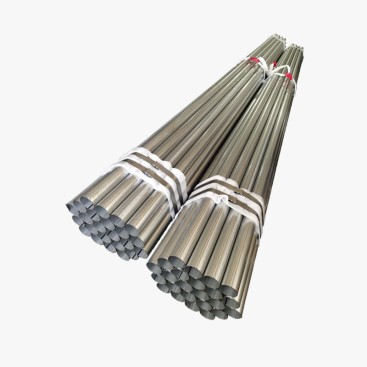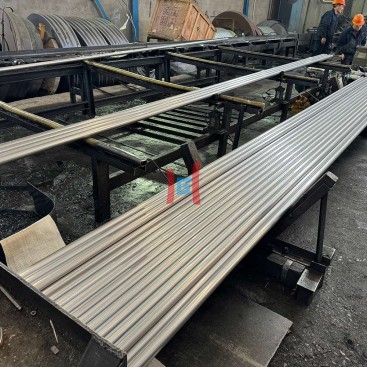
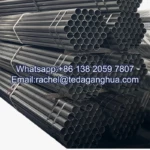
أنابيب الصلب بالألمنيوم بالغمس الساخن
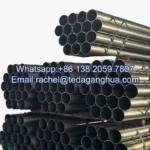
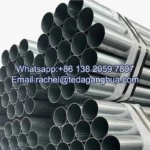
- وصف
وصف
When purchasing hot dipped aluminized steel tubing, specifying only the outside diameter and wall thickness may not be enough. In many industrial applications, the material must also meet requirements for cutting, الانحناء, installation, and connection. These additional operations influence how the product should be manufactured, delivered, and inspected.
The word “tubing” often signals that the buyer has requirements beyond the basic dimensions of a steel tube. In particular, delivery length, straight or coiled form, end preparation, and bending performance should be confirmed before placing an order.
1. What Does Tubing Add to a Purchase Specification?
For procurement purposes, the important distinction is not simply the terminology. It is the additional information that the buyer needs to provide. A basic tube inquiry may focus on dimensions and material grade, while a tubing inquiry often requires more detailed instructions about delivery and subsequent processing.
| مواصفة | Common Tube Requirement | Additional Tubing Requirement |
|---|---|---|
| Dimensions | Outside diameter × wall thickness (OD × WT) | OD × WT × specified length or coil length |
| نموذج التسليم | Straight lengths, usually cut to size | Straight lengths or continuous coil tubing |
| End preparation | Plain ends or deburred ends | الشطب, end caps, protective plugs, or other specified end conditions |
| Bending performance | May not be a primary purchase requirement | Bending radius, bending method, and mandrel requirements |
These additional requirements are particularly important when the material will be processed into assemblies, heating systems, automotive components, المعدات الصناعية, or other products requiring controlled tube geometry.
Key procurement conclusion: Tubing often means that the product will be bent, installed, or connected later. لذلك, dimensions alone are insufficient. Bending performance and end preparation should also be included in the purchase specification.
2. Dimensions: Why OD × WT × Length Matters
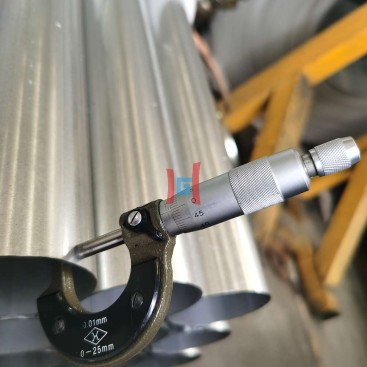
Outside diameter and wall thickness establish the basic geometry of the product, but they do not fully describe the required delivery condition.
For straight tubing, buyers should specify the required cut length and length tolerance. For coil tubing, the inquiry should identify the required continuous length or coil delivery requirements, together with packaging and handling considerations.
Straight Tubing
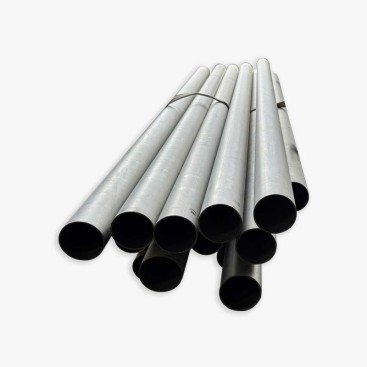
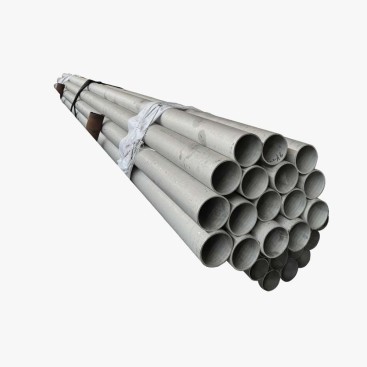
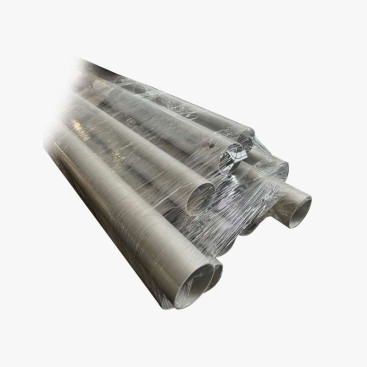
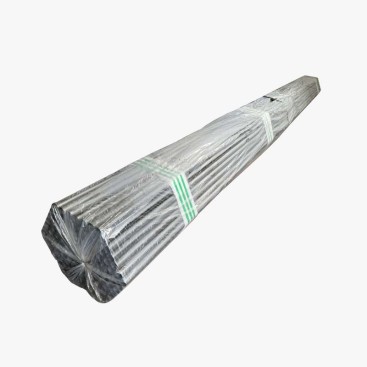
Straight tubing is commonly supplied in specified lengths for cutting, لحام, assembly, and installation. Buyers should confirm whether the required length is a fixed dimension or an acceptable length range.
Other details may include:
- Required overall length
- Length tolerance
- Straightness requirements
- Cutting accuracy
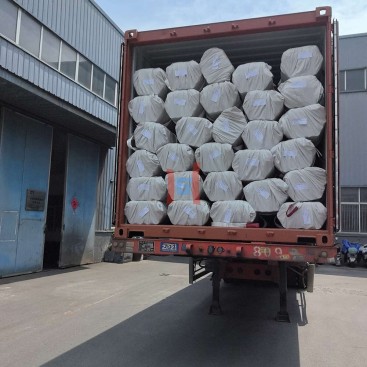
- End protection during transportation
Coil Tubing
Coil tubing is supplied in a continuous coiled form rather than individual straight sections. This delivery arrangement can be useful for applications involving continuous routing or subsequent forming operations.
For coiled products, buyers should clarify coil length, inside and outside coil dimensions where relevant, winding condition, التعبئة والتغليف, and whether the material can be straightened or formed using the intended equipment.
The selected delivery form should match the actual production process. A product that meets the nominal diameter and wall thickness requirements may still create unnecessary processing work if the delivery length or form is unsuitable.
3. End Preparation: Small Details That Affect Installation
End conditions are sometimes overlooked during material purchasing because they appear to be secondary finishing details. لكن, they can directly influence assembly efficiency, worker safety, connection quality, and installation compatibility.
Plain Ends
Suitable when the buyer plans to perform additional cutting, لحام, or end processing. The required edge condition should be confirmed.
Deburred Ends
Remove sharp burrs created during cutting. This helps improve handling safety and preparation for subsequent assembly.
Chamfered Ends
Provide an angled edge when required for a particular joining or fitting process. The chamfer geometry should be specified.
Protected Ends
End caps or protective plugs can help prevent contamination and physical damage during storage and transportation.
For coated tubing, end preparation also deserves attention because cutting and machining may expose the underlying steel. If the cut ends require additional corrosion protection, this should be agreed upon before production.
4. Bending Performance: The Critical Requirement for Aluminized Tubing
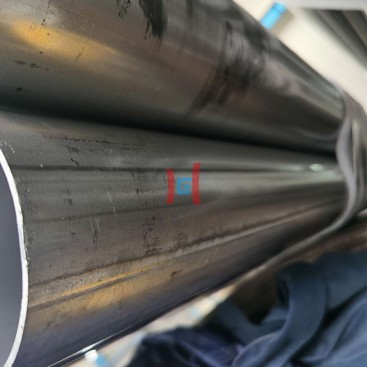
Bending requirements are especially important for aluminized steel products. Unlike an uncoated steel tube, the finished product has an additional coating layer that must remain suitable for the intended service conditions after forming.
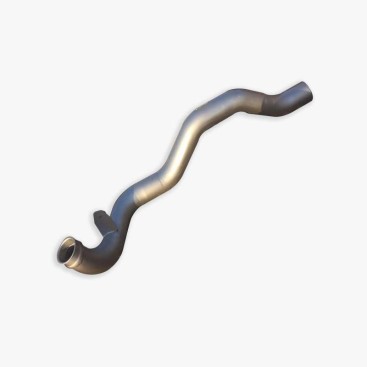
During bending, the outer surface experiences tensile deformation, while the inner surface experiences compressive deformation. Depending on the substrate properties, سمك الجدار, coating composition, coating condition, and bending method, excessive deformation may cause coating cracking, local separation, or other surface damage.
Why Bending Radius Must Be Specified
The bending radius determines how sharply the tubing is curved. A tighter radius generally creates more severe deformation, increasing the importance of material ductility and coating flexibility.
For this reason, the required bending radius should not be left to the manufacturer’s assumption. It should be communicated together with the intended bending process and acceptance requirements.
| Bending Parameter | Why It Matters | What to Confirm |
|---|---|---|
| Bending radius | Controls deformation severity | Required radius or radius-to-diameter ratio |
| Bending method | Influences deformation distribution | Rotary draw, compression, لفافة, or other method |
| Mandrel requirement | Helps control cross-sectional deformation | Mandrel type and whether internal support is required |
| Surface acceptance | Determines acceptable coating condition | Cracking, تقشير, flaking, and exposed substrate criteria |
There is no universal minimum bending radius suitable for every aluminized tube. The appropriate requirement depends on coating mass, substrate thickness, درجة الصلب, coating composition, tube diameter, and bending equipment.
Buyers should therefore provide the actual forming conditions instead of applying an assumed bending radius to every product. Where coating integrity is critical, a representative bending trial followed by visual inspection and an agreed coating assessment can help verify suitability.
Important technical point
For coated tubing, bending radius is not merely a dimensional instruction. It is also a constraint on coating integrity. Always include the bending requirement in the purchase order when the finished product will undergo forming.
5. How to Write a More Complete Tubing Inquiry
A practical inquiry should connect the product’s basic material specifications with its final processing requirements. The following checklist can help purchasing teams avoid incomplete orders.
Tubing Purchase Checklist
- Steel grade and applicable material standard
- Aluminum or aluminum-silicon coating designation
- Outside diameter and wall thickness
- Straight length or continuous coil requirement
- Length and dimensional tolerances
- Plain, deburred, or chamfered ends
- End caps or protective plugs, if required
- Required bending radius and bending method
- Mandrel or internal support requirements
- Coating integrity acceptance after bending
- Inspection documents and material traceability
Providing these details before production allows the supplier to evaluate whether the material and manufacturing process are compatible with the buyer’s downstream operations.
6. تيدا جانجوا ميتال: Steel Sourcing and Specification Support
Teda Ganghua Metal is a Tianjin TEDA-based steel stockist with 20 years of steel stockist and export experience. The company works with major steel producers and maintains substantial inventory resources to support industrial steel procurement.
For customers sourcing aluminized steel tubing, specification communication is an important part of the purchasing process. Besides material grade and coating requirements, buyers should clearly identify delivery form, cutting length, end preparation, and any subsequent bending operations.
Teda Ganghua Metal supports steel sourcing, material specification coordination, processing discussions, and shipment documentation. Material test certificates and third-party inspection arrangements can be coordinated according to the confirmed order requirements.
Whether the project requires straight sections or tubing intended for further processing, providing the actual application and forming requirements helps establish a more suitable purchasing specification.
Explore our أنابيب الصلب بالألمنيوم product range to discuss material requirements and industrial supply options.
Teda Ganghua Metal welcomes customer inspections and supports verification of supplied materials against agreed technical specifications. Our focus is on clear communication, material traceability, and reliable delivery coordination.
الأسئلة المتداولة
1. What additional information should be included when ordering tubing instead of tube?
In addition to outside diameter and wall thickness, buyers should specify delivery length or coil form, end preparation, and bending requirements. These details help ensure the product is suitable for subsequent manufacturing and installation.
2. Can aluminized steel tubing be supplied in coil form?
Coil delivery may be possible depending on the tube manufacturing process, أبعاد, coating characteristics, and required mechanical properties. Buyers should confirm the available delivery form and coil handling requirements with the supplier.
3. Why can the aluminum coating crack during bending?
Bending produces tensile and compressive deformation across the tube wall. If the deformation exceeds the coating system’s ability to accommodate it, cracking or local coating separation may occur. The result depends on the coating, substrate, أبعاد, and bending conditions.
4. Should the minimum bending radius be specified in the purchase order?
نعم, when the finished tubing will be bent. The required radius should be agreed upon based on the material and actual forming process. A representative bending test may be necessary when coating integrity is a critical acceptance requirement.
5. Are end caps necessary for aluminized tubing?
Not for every application. لكن, protective caps or plugs may be useful when preventing contamination, moisture ingress, and physical damage during storage and transportation is important. Buyers should specify whether external ends, internal openings, or both require protection.