- Beschreibung
Beschreibung
Aluminized vs Galvanized Steel Pipe: The Definitive Comparison for High-Temperature Applications
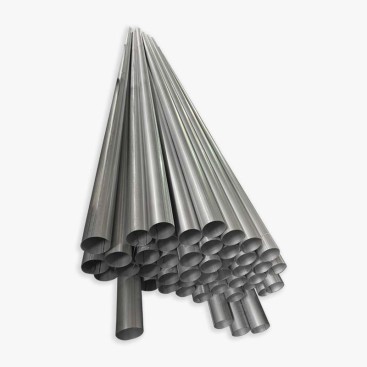
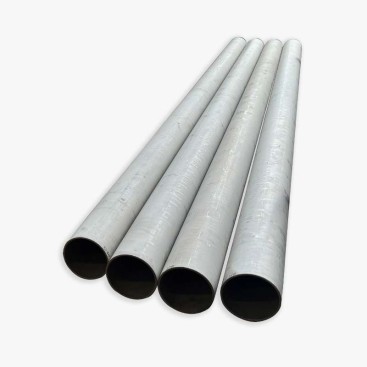
Aluminized steel pipe Und verzinktes Stahlrohr are two of the most widely used corrosion-resistant steel products, but they are designed for fundamentally different service environments. The key difference lies in their protective coating chemistry and temperature resistance limits.
This guide provides a deep engineering comparison covering temperature resistance, Korrosionsleistung, welding behavior, cost structure, and selection logic.
1. Core Difference: Coating System
| Artikel | Aluminisiertes Stahlrohr | Verzinktes Stahlrohr |
|---|---|---|
| Beschichtungsmaterial | Aluminum or Al-Si alloy (Heißtipp) | Zink (hot-dip galvanizing) |
| Protection mechanism | Al₂O₃ oxide barrier at high temperature | Zn sacrificial corrosion protection |
| Hauptfunktion | Hohe Temperatur + Oxidationsbeständigkeit | Atmospheric corrosion protection |
2. Temperature Resistance Comparison (Key Differentiator)
| Performance Factor | Aluminisiertes Rohr | Verzinktes Rohr |
|---|---|---|
| Maximum service temperature | Up to ~800°C | ~200–250°C (zinc begins to degrade) |
| Oxidationsbeständigkeit bei hohen Temperaturen | Exzellent (Al₂O₃ protective film) | Arm (zinc volatilization & Oxidation) |
| Thermal cycling stability | Hoch | Niedrig |
Bei erhöhten Temperaturen, zinc coatings rapidly degrade, while aluminized coatings form a stable protective oxide layer.
3. Korrosionsbeständigkeit (Salt Spray & Environment)
| Test / Environment | Aluminierter Stahl | Verzinkter Stahl |
|---|---|---|
| Salt spray resistance | Hoch (stable Al₂O₃ barrier) | Medium (sacrificial zinc consumption) |
| Industrial atmosphere | Excellent for high-temp gases | Good for ambient corrosion |
| Marine environment | Gut (better at elevated temp) | Mäßig (zinc depletion over time) |
4. Schweißen & Fabrication Performance
| Factor | Aluminisiertes Rohr | Verzinktes Rohr |
|---|---|---|
| Schweißbarkeit | Gut (requires coating control) | Good but zinc fumes hazardous |
| Post-weld protection | Al-Si coating can self-protect partially | Requires zinc-rich paint repair |
| Health & safety | Lower fume toxicity | Zinc oxide fumes require ventilation |
In welding applications, galvanized steel requires stricter safety controls due to zinc vaporization.
5. Cost Structure Comparison
| Cost Factor | Aluminisiertes Rohr | Verzinktes Rohr |
|---|---|---|
| Raw material cost | Höher (Al or Al-Si bath) | Untere (Zinkbeschichtung) |
| Processing complexity | Höher (hot-dip aluminizing line) | Untere (standard galvanizing line) |
| Lifecycle cost | Lower in high-temp use | Higher in high-temp failure risk |
6. Application Decision Tree
| Condition | Recommended Material |
|---|---|
| Temperatur > 300°C | Aluminized steel pipe |
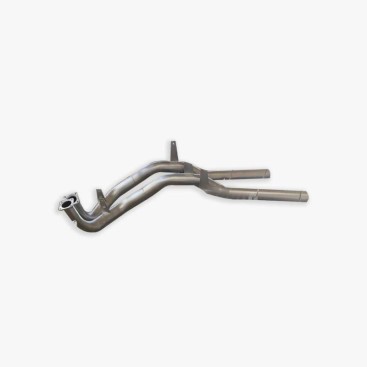
| Abgassysteme für Kraftfahrzeuge | Aluminized steel pipe |
| Outdoor structural use (ambient temp) | Galvanized steel pipe |
| HVAC / Lüftungsanlagen | Entweder (depends on temperature) |
| Corrosive + high heat environment | Aluminized steel pipe (preferred) |
7. Typical Industry Applications
| Industrie | Aluminisiertes Rohr | Verzinktes Rohr |
|---|---|---|
| Automobil | Abgasanlagen, catalytic housings | Body frames, low-temp components |
| Konstruktion | Heat ducts, industrial chimneys | Water pipes, structural supports |
| Energy systems | Rauchgasleitungen | General utility piping |
8. Warum Käufer sich für Teda Ganghua entscheiden
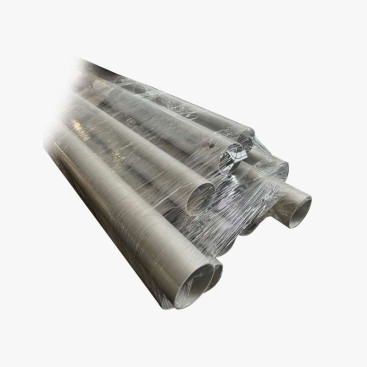
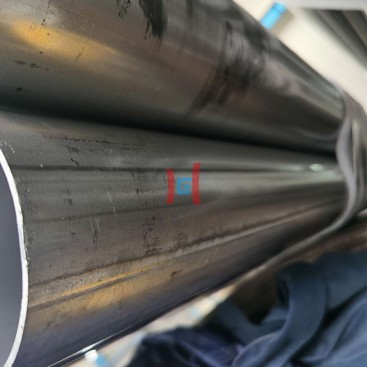
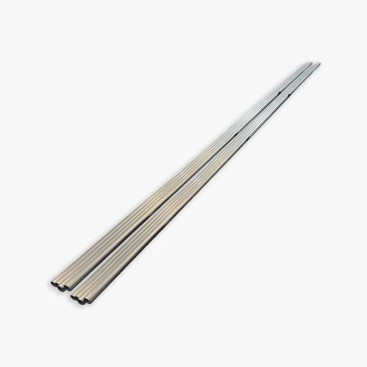
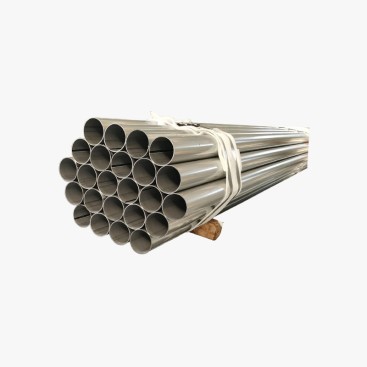
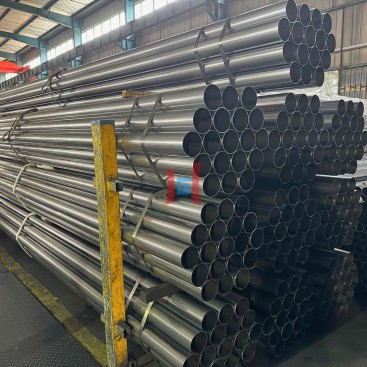
Bei Teda Ganghua, we supply aluminized steel pipes and tubing designed for high-temperature corrosion resistance, with stable Al-Si coating performance and strict dimensional control for global industrial applications.
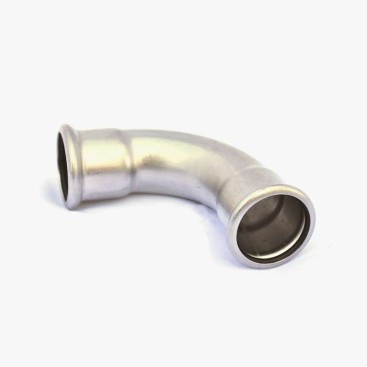
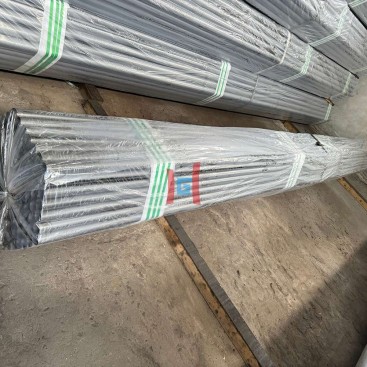
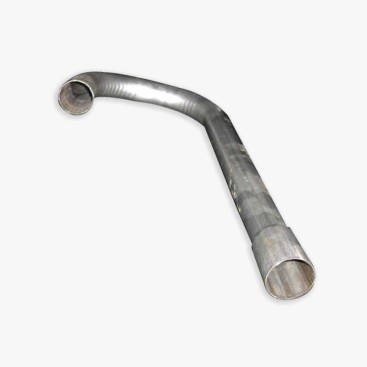
Wir unterstützen OEM-Schneiden, Biegevorbereitung, and export packaging for automotive and industrial pipeline systems.
Entdecken Sie hier unsere aluminisierten Stahlrohrprodukte:
Produkte aus aluminisierten Stahlrohren
Abschluss
Aluminisierte Stahlrohre sind die beste Wahl für Hochtemperatur- und Oxidationsumgebungen, während verzinkte Stahlrohre für den atmosphärischen Korrosionsschutz bei niedrigen Temperaturen optimal bleiben. Die richtige Auswahl hängt von der Betriebstemperatur ab, Korrosionseinwirkung, und Überlegungen zu den Lebenszykluskosten.