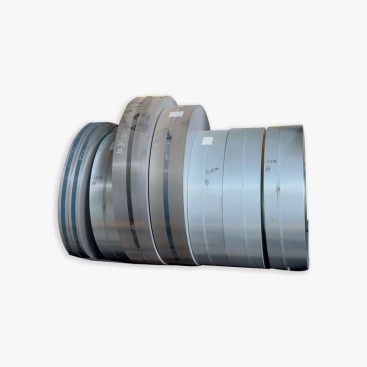
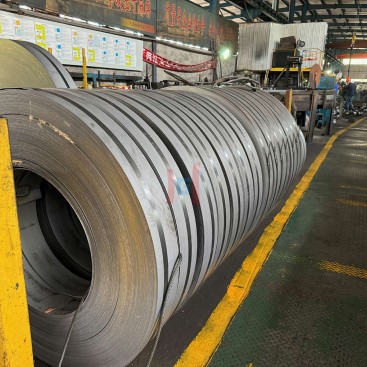
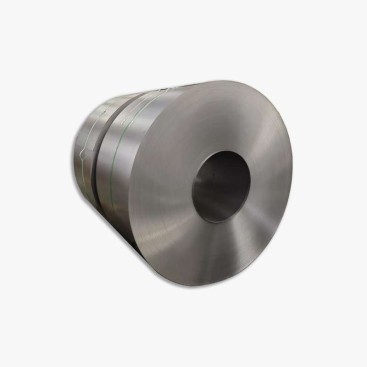
Aluminierter Stahl für Industrieöfen


- Beschreibung
Beschreibung
Aluminized Steel for Industrial Ovens: Interior Panels, Wärmereflexion & Food Processing Applications
Aluminized steel for industrial ovens is widely selected for commercial ovens, bakery equipment, and food processing heating systems because it combines heat resistance, Oxidationsschutz, gute Formbarkeit, und Kosteneffizienz. Compared with conventional coated steel, aluminized steel provides better performance under continuous heating conditions while maintaining a more economical solution than stainless steel.
In industrial ovens, aluminized steel is mainly used for interior panels, outer covers, air ducts, and heat baffles. Its aluminum-silicon coating creates a stable oxide layer during heating, helping protect the steel substrate from oxidation.
Main Applications of Aluminized Steel in Industrial Ovens
| Komponente | Funktion | Material Requirement |
|---|---|---|
| Interior Oven Panels | Heat exposure and thermal reflection | Hitzebeständigkeit, Oxidationsschutz |
| Outer Shell | Structural support and appearance | Stärke, Korrosionsbeständigkeit |
| Air Ducts & Baffles | Control hot air circulation | Formability and dimensional stability |
Why Aluminized Steel Works Well for Oven Interiors
The aluminum coating on aluminized steel provides excellent oxidation resistance during heating. When exposed to oxygen and elevated temperatures, the aluminum surface forms an aluminum oxide layer that slows further oxidation.
The reflective property of the aluminum surface also helps improve thermal efficiency. The bright metallic surface can reflect a significant portion of radiant heat, supporting more uniform temperature distribution inside heating equipment.
| Performance Factor | Benefit in Industrial Ovens |
|---|---|
| Aluminum Oxide Protection | Reduces oxidation during heating |
| Wärmereflexion | Improves radiant heat management |
| Surface Stability | Suitable for long-term thermal cycling |
Temperature Range and Service Life in Oven Applications
Most commercial and industrial ovens operate between 180°C and 300°C. This temperature range is significantly below the typical continuous service limit of aluminized steel, allowing long-term operation with stable coating performance.
| Anwendung | Typical Temperature | Recommended Thickness |
|---|---|---|
| Oven Interior Liner | 180-300°C | 0.6-1.2mm |
| Structural Outer Panel | Normal equipment temperature | 0.8-1.5mm |
| Air Channel Components | Continuous hot air exposure | 0.8-1.5mm |
Food Processing Safety Considerations
For food processing equipment, surface stability and cleanliness are important factors. Aluminized steel with a properly controlled coating system can be used in many food-related heating applications where temperature and operating conditions are suitable.
Before selecting materials for direct food contact areas, manufacturers should confirm applicable food safety requirements, Beschichtungsspezifikationen, and regional regulations.
Aluminized Steel vs Galvanized Steel vs 304 Stainless Steel for Ovens
| Material | Hitzebeständigkeit | Hauptvorteil | Typical Limitation |
|---|---|---|---|
| Aluminierter Stahl | High for medium-temperature ovens | Heat protection and cost balance | Limited for extreme temperatures |
| Verzinkter Stahl | Lower temperature capability | Low initial cost | Zinc coating performance decreases at elevated temperatures |
| 304 Edelstahl | Higher temperature and corrosion resistance | Excellent durability | Higher material cost |
Processing Requirements for Oven Components
Industrial oven manufacturers usually require aluminized steel to support cutting, Biegen, Stempeln, and assembly operations. Maintaining coating integrity during fabrication is important because damaged coating areas may reduce corrosion protection.
- Laser or mechanical cutting for customized sizes
- Bending and forming for interior panels and ducts
- Welding control to minimize coating damage
- Surface protection during transportation
Purchasing Guide for Oven Grade Aluminized Steel
When purchasing aluminized steel for industrial ovens, buyers should confirm:
- Base steel grade and coating type
- Aluminum coating thickness
- Sheet thickness and forming requirements
- Operating temperature and heating cycle
- Cutting and fabrication requirements
Teda Ganghua Industrial Oven Aluminized Steel Supply
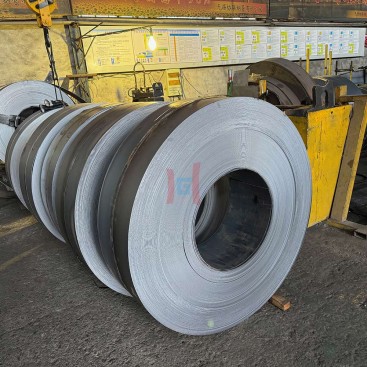
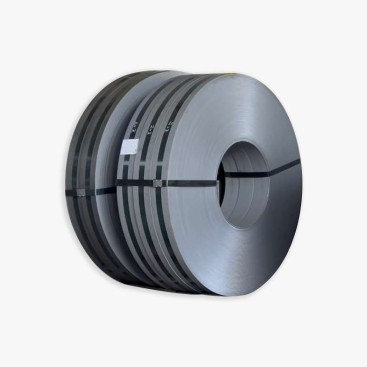
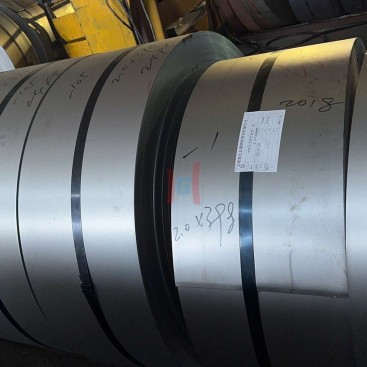
Teda Ganghua provides Spule aus aluminiertem Stahl solutions for industrial ovens, Heizgeräte, Abgaskomponenten, and thermal applications. With customized cutting services, stable coating quality, und flexible Versorgungsmöglichkeiten, Teda Ganghua unterstützt Kunden, die zuverlässige aluminierte Stahlmaterialien für die industrielle Fertigung benötigen.
Für Ofenhersteller, Auswahl der richtigen Dicke, Beschichtungsqualität, und die Verarbeitungsmethode trägt dazu bei, eine bessere thermische Leistung zu erzielen, längere lebensdauer, und verbesserte Produktionseffizienz.