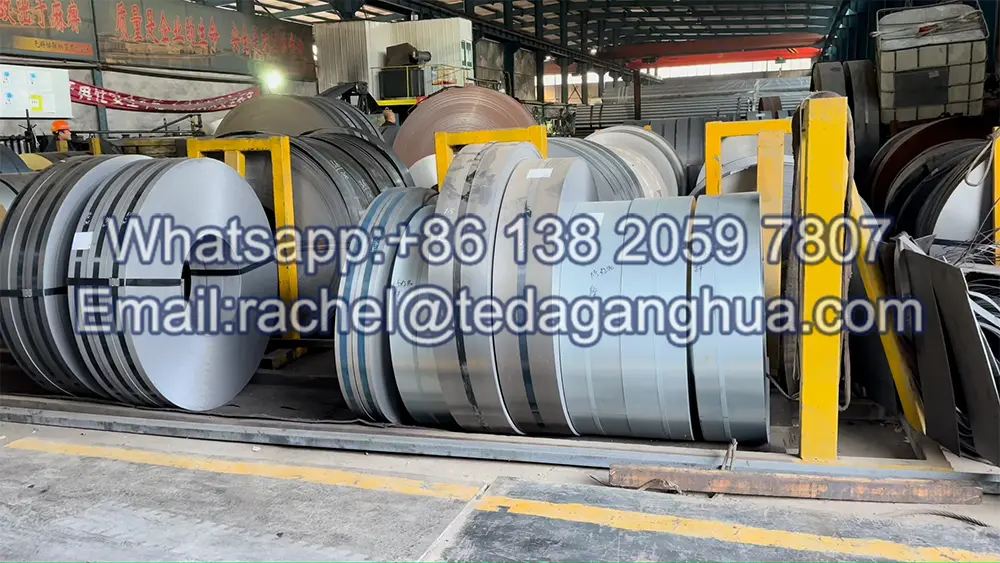
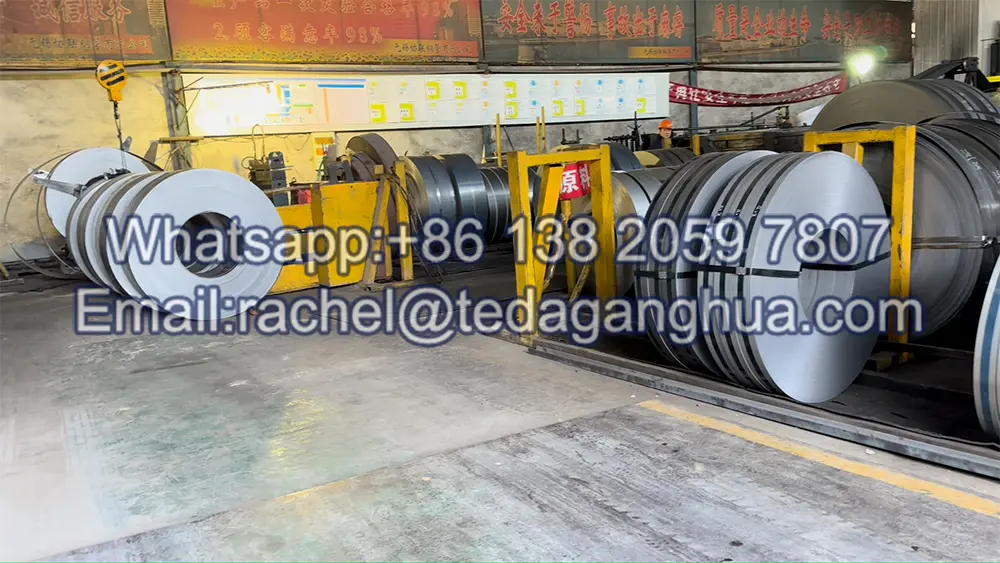
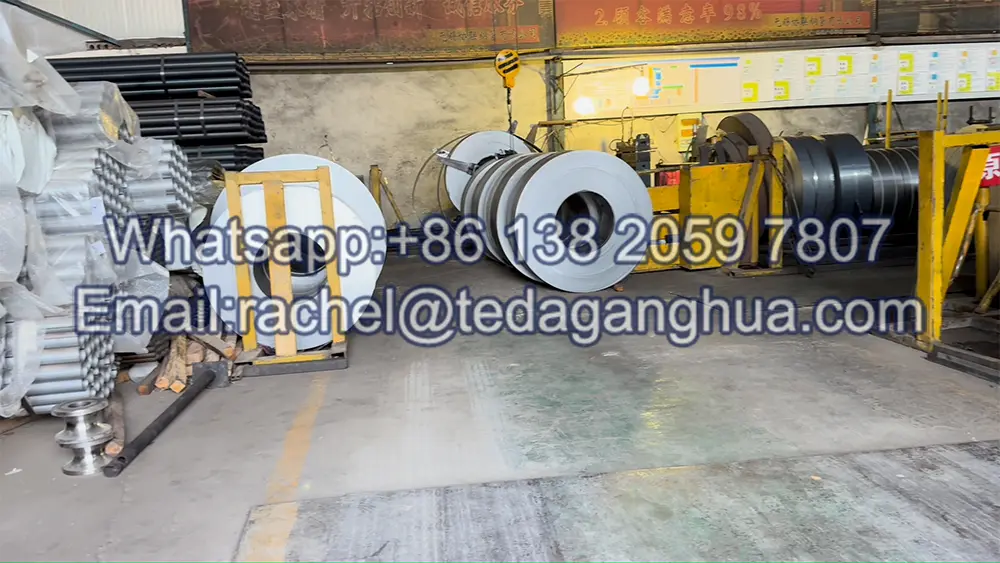
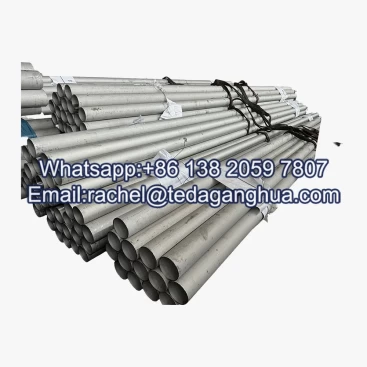
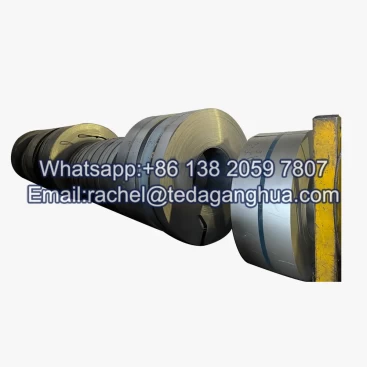
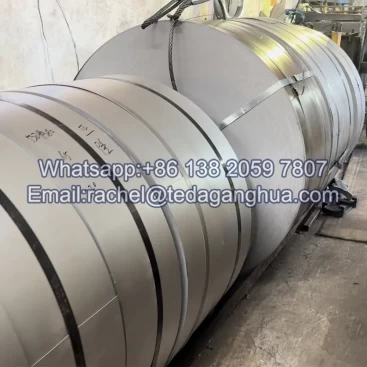
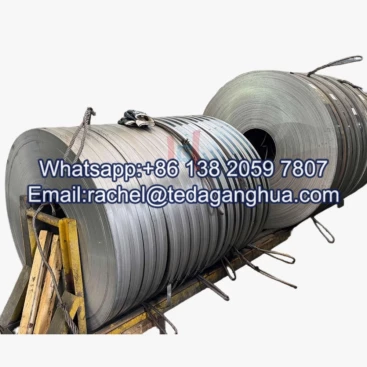
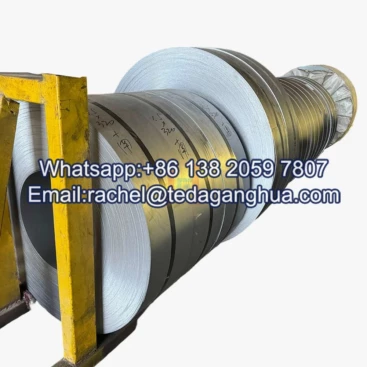
Aluminisierter Stahltyp 1
Aluminisierter Stahltyp 1 combines the strength of carbon steel with the heat resistance and corrosion protection of an aluminum-silicon coating. Its excellent oxidation resistance, thermal reflectivity, and formability make it a preferred material for high-temperature applications where long service life and reliable performance are required.
- Beschreibung
Beschreibung
Aluminisierter Stahltyp 1 is a carbon steel product coated with an aluminum-silicon alloy through a hot-dip process. The coating typically contains aluminum with approximately 5–11% silicon, which improves coating adhesion and enhances resistance to oxidation at elevated temperatures. Dieses Material wird häufig in Automobilabgassystemen verwendet, industrielle Heizgeräte, und hitzebeständige Komponenten.
Chemical Composition of the Coating
The coating composition plays a critical role in the performance of this material.
| Element | Typischer Inhalt (%) |
|---|---|
| Aluminium (Al) | 89–95 |
| Silizium (Und) | 5–11 |
| Eisen (Fe) | Gleichgewicht (from substrate interaction) |
The aluminum-rich coating forms a protective oxide layer on the surface, while silicon reduces brittleness and improves coating uniformity during production.
Mechanische Eigenschaften
The mechanical properties mainly depend on the steel substrate grade used beneath the coating.
| Eigentum | Typischer Wert |
| Zugfestigkeit | 270–450 MPa |
| Streckgrenze | 140–300 MPa |
| Verlängerung | 20–38% |
| Härte | 55–85 HRB |
These properties provide a good balance between formability, Stärke, and durability for fabrication processes such as stamping, Biegen, und Schweißen.
Wichtige Leistungsmerkmale
Ausgezeichnete Hitzebeständigkeit
The aluminum-rich surface can withstand continuous exposure to elevated temperatures. The protective aluminum oxide film reduces scaling and oxidation, making the material suitable for high-temperature service environments.
Überlegene Korrosionsbeständigkeit
Im Vergleich zu gewöhnlichem Kohlenstoffstahl, the aluminum-silicon coating provides significantly improved resistance to atmospheric corrosion. The coating acts as a barrier that protects the steel substrate from moisture and oxygen.
Gute Formbarkeit
Die Beschichtung bleibt während der Umformvorgänge fest mit der Stahloberfläche verbunden. Bauteile können gerollt werden, gebogen, gestempelt, und bei Verwendung geeigneter Verarbeitungsmethoden ohne nennenswerte Beschichtungsschäden hergestellt werden.
Reflexionsvermögen
Die glänzende metallische Oberfläche reflektiert Strahlungswärme effektiv, was für Hitzeschilde von Vorteil ist, Öfen, Öfen, und Wärmemanagementanwendungen.
Allgemeine Anwendungen
Zu den typischen Anwendungen gehören::
- Auspuffrohre und Schalldämpfer für Kraftfahrzeuge
- Hitzeschilde
- Industrieöfen
- Gasbefeuerte Geräte
- Heizungs- und Lüftungssysteme
- Wärmeverarbeitungsausrüstung
- Landwirtschaftliche Trocknungsgeräte
Vergleich mit verzinktem Stahl
| Eigentum | Aluminisierter Stahltyp 1 | Verzinkter Stahl |
| Hauptbeschichtung | Aluminium-Silizium | Zink |
| Hitzebeständigkeit | Exzellent | Mäßig |
| Oxidationsbeständigkeit | Exzellent | Gut |
| Oberflächenreflexion | Hoch | Medium |
| Hochtemperaturbetrieb | Geeignet | Beschränkt |
| Korrosionsbeständigkeit | Sehr gut | Sehr gut |