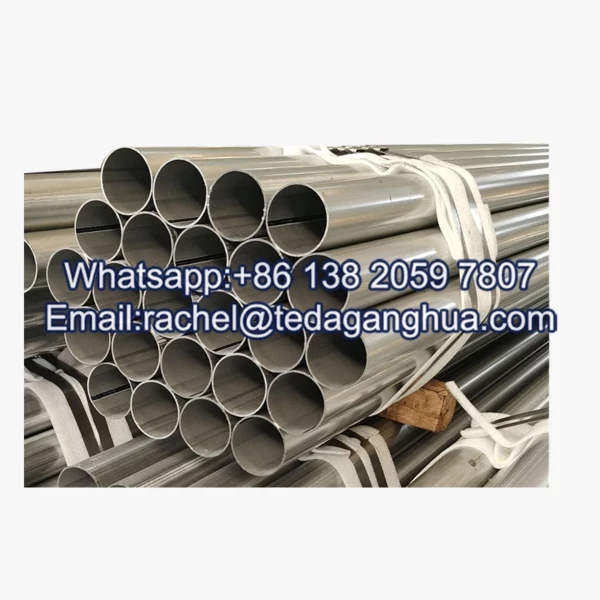
- Beschreibung
Beschreibung
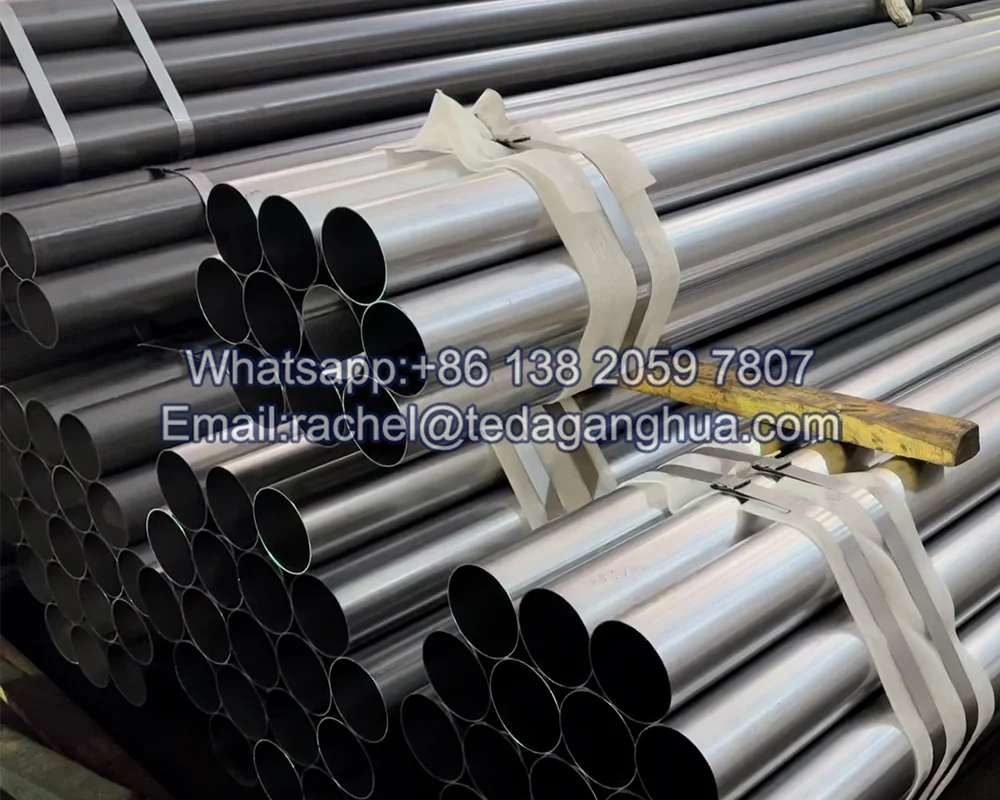
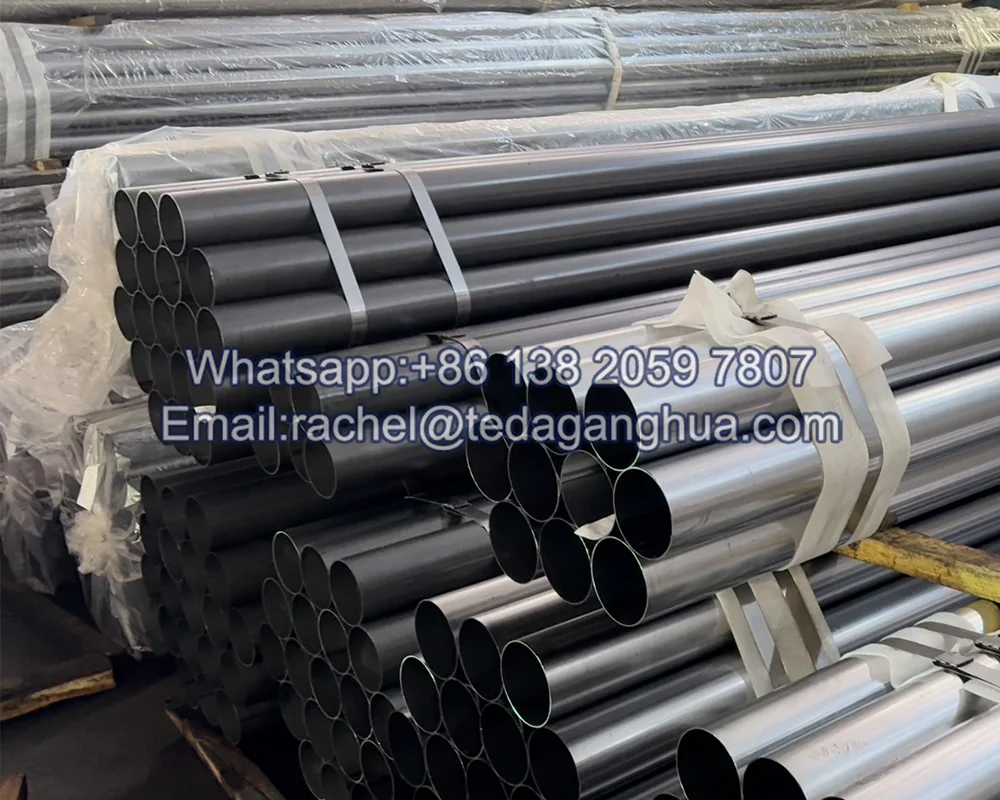
When ordering aluminum silicon coated steel pipe, buyers may encounter several descriptions for the same general coating system. American English uses “Aluminium,” British English uses “aluminium,” and technical drawings or tables may shorten the name to “Al-Si coated.” These forms can all be useful, but switching between them across commercial documents may create avoidable questions. The issue is not that one spelling changes the material. It is that invoices, packing lists, certificates, and purchase orders should identify the goods consistently. One agreed product description makes document review and shipment coordination easier.
Three Common Ways to Write the Same Coating Description
The coating name can be written in full using either American or British spelling. A shortened technical form is also used in engineering communication. Buyers should understand the purpose of each form and decide which wording will be used as the main commercial description.
| Written Form | Typical Context | Practical Use |
|---|---|---|
| Aluminum silicon coated | American English commercial and technical descriptions | Suitable as a full product description in inquiries and commercial documents |
| Aluminium silicon coated | British English and many international descriptions | Equivalent spelling form for the same general coating terminology |
| Al-Si coated | Technical drawings, tables, and concise engineering notes | Useful shorthand when the meaning is clearly defined in the document |
These forms are not three different coating grades. The first two differ mainly in regional spelling, während “Al-Ja” is a shortened technical expression. Jedoch, the abbreviation should not be used as a substitute for a complete specification when the coating system needs to be formally defined.
American and British Spelling: Same Meaning, Different Convention
The difference between aluminum and aluminium is a spelling convention. American English generally uses “Aluminium,” while British English uses “aluminium.” Adding “Silizium” identifies the intended aluminium-silicon coating terminology, but the spelling choice itself does not change the coating system.
For international orders, either full spelling can be used if it accurately reflects the agreed product description. The important step is to select one form and retain it across the purchase order, quotation, invoice, and other relevant documents.
Where Al-Si Is Useful — and Where the Full Name Is Better
“Al-Si coated” is a compact form that can be convenient in engineering drawings, material schedules, comparison tables, and internal technical notes. It saves space and is generally understandable when the document has already established what the abbreviation means.
For a commercial invoice or purchase order, a full product description is often clearer. If an abbreviation is necessary, define it in the specification or use it alongside the full name when the product is first introduced. This reduces the chance that a document reviewer will need to ask what the abbreviation represents.
| Document | Recommended Wording | Reason |
|---|---|---|
| Product inquiry | Full name or a clearly understood abbreviation | Helps suppliers identify the buyer’s intended product |
| Technical drawing | Al-Si coated, when defined in the drawing or specification | Keeps technical notes concise |
| Purchase order | Full coating description and applicable specification | Establishes the agreed purchasing requirement |
| Commercial invoice | Full product description consistent with the order | Makes the exported goods easier to identify |
| Packing list and certificate | Description aligned with the agreed shipping documents and issuing requirements | Reduces avoidable wording discrepancies |
Why Two Spellings in One Order Can Trigger Extra Questions
An international transaction may involve several documents prepared by different teams. The buyer may issue a purchase order using “aluminum silicon coated,” while the supplier prepares an invoice using “aluminium silicon coated.” A technical drawing may then use “Al-Si coated.” These descriptions may all refer to the same intended coating system, but a reviewer who sees different wording may request confirmation.
A spelling difference does not automatically make a document invalid or prevent customs clearance. Jedoch, inconsistent descriptions can create additional review work, particularly when the documents also differ in other product details. Clear and consistent terminology helps avoid unnecessary clarification.
The best approach is to use the full agreed description as the reference wording. If a drawing or technical schedule uses “Al-Ja,” ensure that the abbreviation is clearly linked to the full product description. Any wording required by customs authorities or the certificate-issuing organization should be followed and coordinated with the commercial documents.
A Simple Document-Control Method
Buyers and suppliers can prevent most avoidable spelling inconsistencies by agreeing on the product description before the purchase order is finalized. The same wording can then be used as the reference for subsequent commercial and shipping documents.
Recommended Steps
- Select the full spelling: Agree on “aluminum silicon coated” oder “aluminium silicon coated” for the main product description.
- Define abbreviations: If “Al-Si coated” appears in drawings or tables, make sure its meaning is clear.
- Confirm the technical specification: Check the applicable standard and coating requirements independently of the spelling.
- Use one reference description: Carry the agreed wording into the purchase order and commercial invoice.
- Review the shipping documents: Check the packing list and certificate description against the agreed order and applicable issuing requirements.
This method does not require every technical drawing to avoid abbreviations. It simply ensures that shortened terminology is traceable to a complete product description and that commercial documents remain consistent.
Teda Ganghua: Consistent Product Descriptions for Export Orders
Teda Ganghua Metal is a steel stockist based in Tianjin TEDA, supporting international buyers with steel material sourcing, specification coordination, and export services. For orders involving aluminium-silicon coated steel products, clear terminology helps connect the buyer’s technical requirements with the commercial description used during shipment preparation.
Customers sourcing aluminum silicon coated steel pipes can provide their preferred product description, geltenden Norm, Abmessungen, Beschichtungsanforderungen, and delivery conditions. Teda Ganghua can help coordinate the agreed product information for quotation and order documentation.
Material test certificate coordination and third-party inspection arrangements can also be supported according to the agreed order requirements. Buyers are encouraged to establish one reference description at the inquiry or purchase-order stage so that the same technical intent is maintained across the transaction.
The spelling may be American or British, and a technical drawing may use the abbreviation. What matters is that all parties understand the same product and that the formal documents point to the same agreed specification.
Häufig gestellte Fragen
1. Are aluminum silicon coated and aluminium silicon coated the same?
They are American and British spelling forms used for the same general coating description. The spelling difference alone does not indicate a different coating system.
2. What does Al-Si coated mean?
Al-Si coated is a shortened technical expression for an aluminium-silicon coating. It is often convenient in drawings and tables, but the full meaning should be established in the relevant specification.
3. Can a purchase order use Al-Si coated instead of the full name?
It may be used if the abbreviation is clearly defined and accepted by the parties. For clarity, the full coating description and applicable technical specification are preferable in the main product description.
4. Will different spellings invalidate an export certificate?
Nicht automatisch. Different spellings may prompt a clarification request, but document validity depends on the applicable requirements and the accuracy and consistency of the complete declaration. Buyers should follow the issuing authority’s rules.
5. Which spelling should exporters use?
Exporters should use the spelling agreed with the buyer and maintain it across the main commercial documents. Any abbreviation or wording required by a technical document or issuing authority should be clearly coordinated with that reference description.