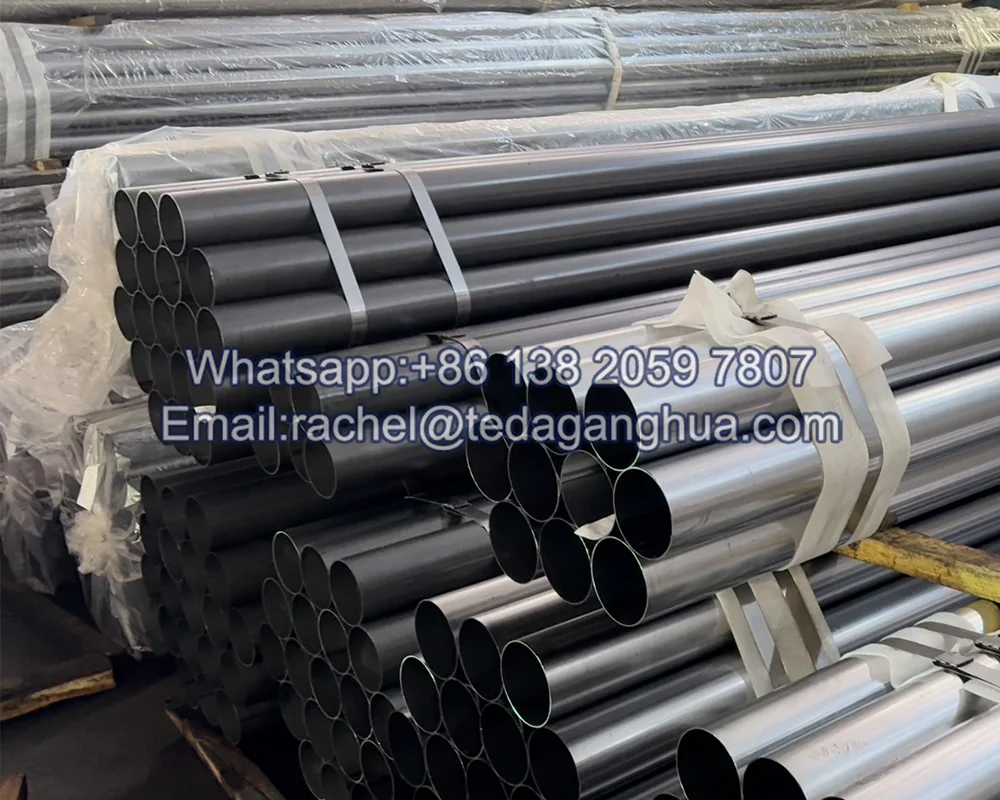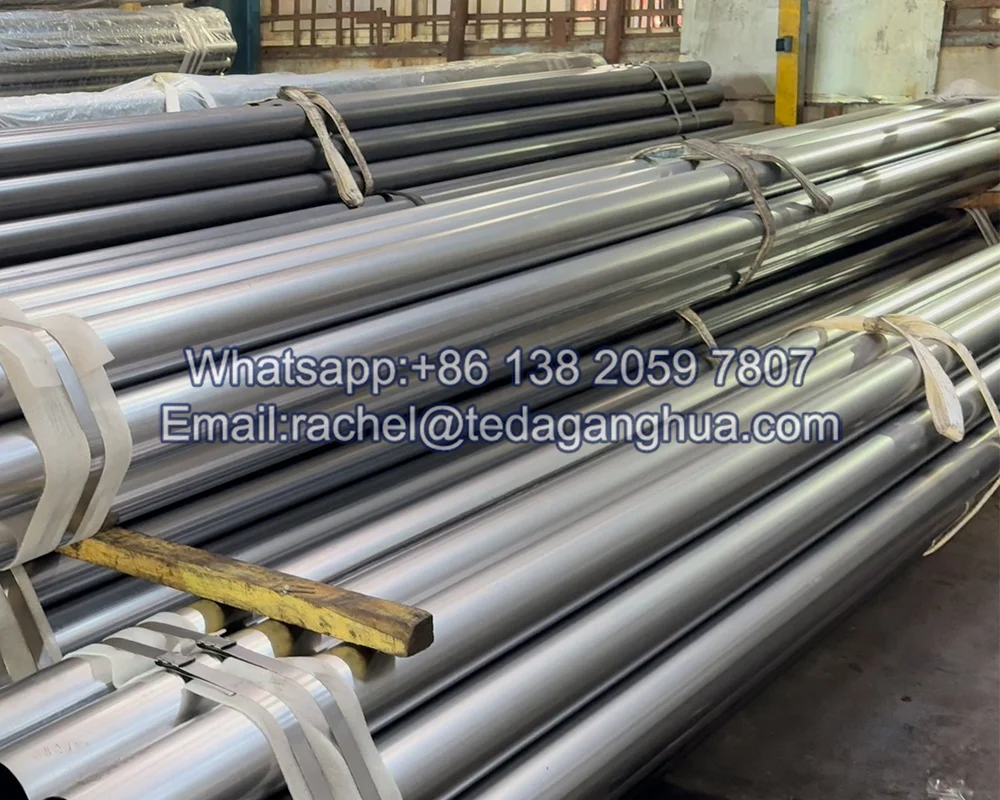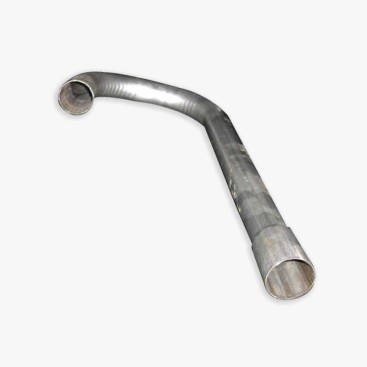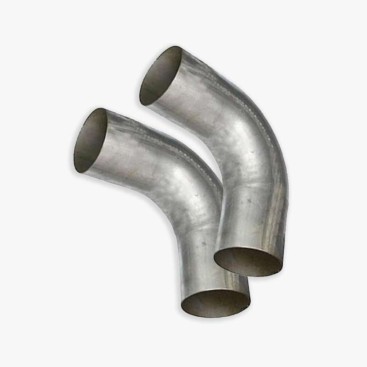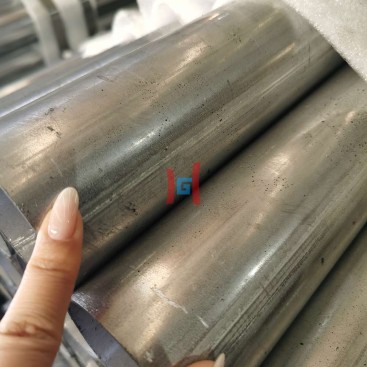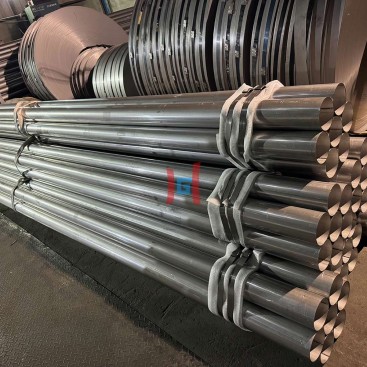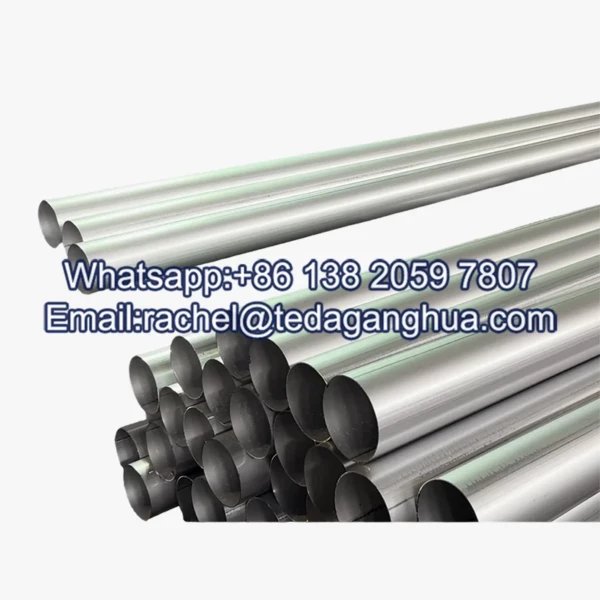
Feuerverzinktes, mit Aluminium-Siliziumlegierung beschichtetes Stahlrohr
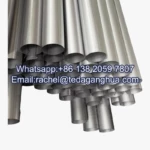
- Beschreibung
Beschreibung
When purchasing hot dip aluminum silicon alloy coated steel pipe, the full product name is more than a collection of technical words. Each part identifies a different aspect of the material, including the coating process, alloy composition, relationship between the coating and steel substrate, and final product form. Simply calling a product aluminized steel may not provide enough information to distinguish aluminum-silicon alloy coatings from commercially pure aluminum coatings. This distinction is particularly important for industrial applications involving elevated temperatures, Oxidationsbeständigkeit, and outdoor corrosion protection. A complete product specification helps buyers select the correct coating type and communicate their requirements accurately to international steel suppliers.
1. Why the Full Product Name Matters
The expression hot dip aluminum silicon alloy coated steel pipe contains four important technical elements. Removing any of them may make the product description less precise and create confusion during purchasing, manufacturing, or quality inspection.
| Term | Technical Meaning | Purchasing Information |
|---|---|---|
| Hot dip | Coating application through immersion in a molten metal bath | Identifies the coating process |
| Aluminum silicon alloy | Al-Si alloy used as the coating material | Distinguishes the alloy coating from commercially pure aluminum |
| Beschichtet | A surface coating metallurgically bonded to the steel substrate | Identifies the coated material structure |
| Steel pipe | Steel substrate manufactured in tubular form | Identifies the base material and product form |
These terms should be considered together. Hot dip describes how the coating is applied, aluminum-silicon alloy identifies its composition, coated describes the surface protection system, and steel pipe identifies the finished product. The complete description is therefore much more useful than a general commercial expression such as aluminized pipe.
2. Hot Dip: Understanding the Coating Process
Hot-dip coating is a process in which prepared steel passes through a molten metallic bath under controlled manufacturing conditions. The coating metal reacts with the steel surface, creating an interfacial metallurgical layer beneath the outer coating.
For aluminum-silicon coated materials, the molten bath contains aluminum and silicon. During the coating process, iron from the steel substrate interacts with the aluminum-rich alloy, producing an intermetallic reaction layer. The outer coating and the reaction interface together form the protective coating system.
Silicon is important because it helps control the growth and morphology of the iron-aluminum intermetallic layer. Excessive intermetallic growth can negatively affect coating adhesion and forming performance. Proper bath composition and process control are therefore essential.
Key manufacturing point
Hot-dip aluminum-silicon coating is not simply a matter of covering steel with molten aluminum. The bath composition, steel surface preparation, coating reaction, and cooling conditions all influence the final coating structure and performance.
For tubular products, buyers should also establish whether coating is applied to steel strip before tube forming or to the finished pipe after manufacturing. These are different production routes and may result in different coating conditions at weld seams, cut edges, and internal surfaces.
3. Aluminum-Silicon Alloy: Why Type 1 Is Different from Type 2
The coating composition is one of the most important parts of the product name. ASTM A463/A463M identifies two types of hot-dip aluminum-coated steel sheet. They are not interchangeable because their coating chemistries and intended applications are different.
Typ 1 uses an aluminum-silicon alloy coating bath containing 5–11% silicon. Silicon helps control the formation of the intermetallic reaction layer and supports coating adhesion and formability. This coating is intended principally for heat-resisting applications, including components exposed to elevated temperatures and oxidation.
Typ 2 uses commercially pure aluminum as the coating material. It is intended principally for applications requiring corrosion resistance. Its characteristics make it suitable for certain exterior and atmospheric exposure applications, subject to the actual environment and design requirements.
| ASTM Coating Type | Beschichtungszusammensetzung | Primary Application Focus |
|---|---|---|
| Typ 1 | Aluminum-silicon alloy, with 5–11% silicon in the coating bath | Heat resistance and oxidation resistance |
| Typ 2 | Commercially pure aluminum | Corrosion resistance and exterior exposure |
The 5–11% silicon range refers to the Type 1 coating bath composition specified by ASTM A463/A463M. It should not be interpreted as a guaranteed chemical analysis of every point in the finished coating. The applicable standard edition and material inspection requirements should govern acceptance.
This distinction explains why the complete alloy name matters. The expression aluminum-silicon alloy coated identifies the intended Type 1 coating family more clearly than the general term aluminized steel, which can be used commercially for either coating type.
4. Typ 1 oder Typ 2: How to Select the Right Coating
Choosing between the two coating systems should start with the operating environment rather than the product name. Temperatur, oxidation exposure, atmospheric conditions, Feuchtigkeit, chemical exposure, and fabrication requirements all influence the final selection.
Choose Type 1 for heat-related applications
The aluminum-silicon alloy coating is principally intended for applications where resistance to elevated-temperature oxidation is important.
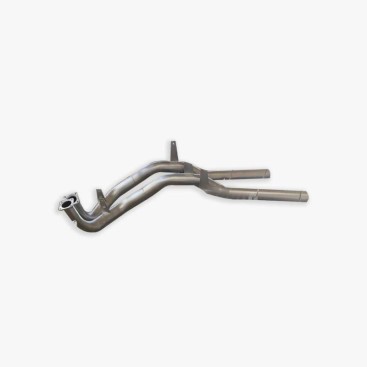
- Automobil-Abgaskomponenten
- Furnace components and heating equipment
- Wärmeverarbeitungsausrüstung
- Selected heat exchangers and industrial thermal components
- Applications involving combined heat and corrosion exposure
Consider Type 2 for corrosion-related applications
Commercially pure aluminum coating is principally intended for applications where atmospheric corrosion protection is the main consideration.
- Exterior building components
- Selected roofing and cladding applications
- Gehäuse für Outdoor-Geräte
- Components exposed to general atmospheric conditions
- Applications where aluminum barrier protection is required
These are general application guidelines rather than universal selection rules. Typ 1 also provides corrosion resistance, und Typ 2 has its own limitations under severe thermal exposure. Neither coating should be selected without considering the actual operating temperature, atmosphere, Belichtungsdauer, coating condition, and expected service life.
For exhaust systems and furnace components, the aluminum-silicon alloy route is generally the more relevant starting point. For exterior steel components, commercially pure aluminum may be considered where its corrosion protection characteristics match the service environment. The two coating systems should not be substituted simply because both are described as aluminized steel.
5. Beschichtet: Understanding the Relationship Between the Coating and Steel
The word coated identifies a steel substrate protected by a surface layer. Jedoch, in hot-dip coating, this does not mean that the coating is merely attached mechanically or that no metallurgical reaction occurs.
When steel contacts the molten aluminum-silicon bath, an interfacial reaction takes place. Iron-aluminum-based intermetallic compounds develop at the interface, creating a metallurgical bond between the coating and the steel substrate.
The final coating system therefore contains more than one structural region. The outer aluminum-rich layer provides the main environmental protection, while the interfacial layer contributes to the bonding between the coating and steel.
| Structural Region | Beschreibung | Funktion |
|---|---|---|
| Outer coating | Aluminum-rich alloy layer | Provides surface protection and oxidation resistance |
| Interfacial reaction layer | Iron-aluminum-based intermetallic layer influenced by silicon | Creates metallurgical bonding with the substrate |
| Stahlsubstrat | Carbon steel or specified steel grade | Provides structural strength and mechanical properties |
This structure is important when evaluating bending, Bildung, Schweißen, and cutting operations. Excessive deformation or unsuitable fabrication procedures may damage the coating or expose the underlying steel. Buyers should confirm fabrication requirements before selecting the coating system.
6. ASTM A463-Typ 1: What Buyers Should Confirm
ASTM A463/A463M is an important reference for hot-dip aluminum-coated steel sheet. It identifies Type 1 aluminum-silicon alloy coating and Type 2 commercially pure aluminum coating, with different coating designations and requirements.
Jedoch, its scope is steel sheet supplied in coils or cut lengths. It should not automatically be treated as a complete product standard for finished steel pipes. If the intended material is a tubular product, the supplier and buyer must establish the pipe manufacturing route, applicable pipe standard, coating process, and inspection criteria separately.
Technical purchasing checklist
- ASTM A463/A463M edition and applicable product scope.
- Typ 1 aluminum-silicon or Type 2 commercially pure aluminum coating.
- Base steel grade and mechanical requirements.
- Actual pipe outside diameter and wall thickness.
- Beschichtungsmasse, Messgrundlage, and acceptance requirements.
- Internal and external coating coverage requirements.
- Weld seam condition and coating continuity.
- Biegen, Schneiden, Schweißen, and other fabrication requirements.
- Material Test Certificate and inspection documentation.
Coating mass and coating thickness should be specified according to the applicable standard and purchase agreement. The required values should be verified through the agreed inspection method rather than assumed from a general product designation.
7. Recommended Purchase Order Description
A useful purchase order description should identify the coating composition, product form, dimensional requirements, and applicable technical standard. For a Type 1 aluminum-silicon coating requirement, the following wording provides a clear starting point:
Recommended product description
Hot-Dip Al-Si Coated Steel Pipe, ASTM A463/A463M Type 1 coating reference, T1-40 where confirmed applicable, OD × WT, specified length.
The T1-40 designation should only be included after confirming that it is the correct coating designation under the applicable ASTM edition and that the specified coating requirements are suitable for the tubular product. ASTM A463/A463M applies to sheet products, so a finished pipe should have its own agreed product and coating specification.
A more complete inquiry should also state the following information:
| Order Field | Required Information |
|---|---|
| Product | Steel pipe or tube |
| Beschichtung | Hot-dip aluminum-silicon alloy, Typ 1 where applicable |
| Grundmaterial | Steel grade and product standard |
| Dimensions | OD × WT × length |
| Coating requirements | Specified coating mass, coverage, und Prüfkriterien |
| Quality documents | MTC and agreed inspection reports |
This format reduces ambiguity and gives the supplier enough information to evaluate the required material, Herstellungsprozess, and delivery conditions. It is particularly useful for international projects involving different coating standards and product specifications.
8. Teda Ganghua: Steel Sourcing and Specification Support
Teda Ganghua Metal is a steel stockist based in Tianjin TEDA, mit 20 years of steel stockist and export experience. The company supports international industrial buyers with steel material sourcing, technical specification coordination, Verarbeitungsdienstleistungen, and export documentation.
For customers sourcing aluminum-silicon coated steel pipes and tubes, Teda Ganghua can assist in clarifying the required product form, Grundmaterial, coating designation, Abmessungen, and quality requirements.
Depending on the product and confirmed manufacturing capabilities, purchasing support can include:
- Steel grade and technical specification confirmation.
- Coating composition and standard requirement coordination.
- Schneiden, Schweißen, Biegen, and other fabrication services where applicable.
- Material Test Certificates and material traceability documentation.
- Third-party inspection arrangements and shipment verification.
- Export packaging, product identification, and delivery coordination.
Teda Ganghua works with established steel mill partners and maintains substantial steel inventory for international supply requirements. The company emphasizes specification-based purchasing, shipment quantity verification, and material quality documentation.
Buyers are welcome to arrange inspections before shipment to verify the agreed material grade, Abmessungen, Menge, and quality requirements. For specialized coated products, confirming the actual coating type and manufacturing route before order placement is an important part of reliable procurement.
Whether the inquiry uses aluminized steel, aluminum-coated steel, or the full aluminum-silicon alloy designation, the final purchase specification should clearly identify the intended coating chemistry and product requirements. This is the most reliable way to avoid confusing heat-resistant Type 1 materials with commercially pure aluminum-coated products.
Häufig gestellte Fragen
1. What does hot dip aluminum silicon alloy coated steel pipe mean?
It describes a steel pipe with an aluminum-silicon alloy surface coating applied through a hot-dip process. The coating includes an aluminum-rich outer layer and a metallurgical reaction interface with the steel substrate.
2. What is the difference between ASTM A463 Type 1 und Typ 2?
Typ 1 uses an aluminum-silicon alloy coating bath containing 5–11% silicon and is intended principally for heat-resisting applications. Typ 2 verwendet handelsübliches reines Aluminium und ist hauptsächlich für korrosionsbeständige Anwendungen gedacht. Beide Klassifizierungen gelten für Stahlblech im Geltungsbereich von ASTM A463/A463M.
3. Warum wird der Aluminiumbeschichtung Silizium zugesetzt??
Silizium trägt dazu bei, die Bildung und das Wachstum intermetallischer Eisen-Aluminium-Verbindungen während der Schmelztauchbeschichtung zu kontrollieren. Dies unterstützt die Entwicklung einer geeigneten Schnittstelle und hilft, die Haftung und Formbarkeit der Beschichtung zu verbessern.
4. Ist aluminisierter Stahl dasselbe wie Aluminium-Silizium-beschichteter Stahl??
Nicht unbedingt. Aluminierter Stahl ist ein weit gefasster Handelsbegriff, der sich auf verschiedene Arten von Aluminiumbeschichtungen beziehen kann. Aluminium-Silizium-beschichteter Stahl kennzeichnet insbesondere eine Al-Si-Legierungsbeschichtung, entsprechend Typ 1 innerhalb ASTM A463/A463M.
5. Kann ASTM A463-Typ sein 1 als vollständiger Standard für Stahlrohre verwendet werden?
NEIN. ASTM A463/A463M deckt feueraluminiumbeschichtetes Stahlblech in Rollen und Zuschnitten ab. Für fertige Rohre, Käufer müssen die anwendbare Rohrproduktnorm gesondert angeben, Grundstahlsorte, Beschichtungsherstellungsroute, Abmessungen, und Inspektionsanforderungen.