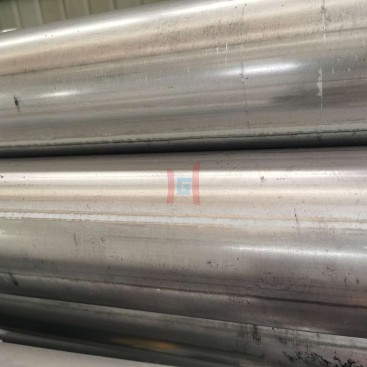
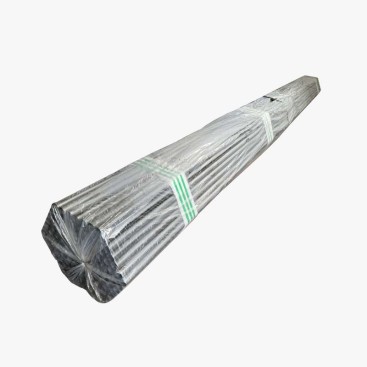
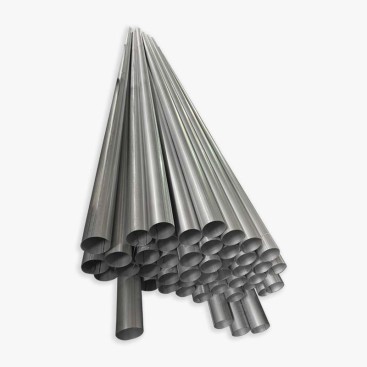
Feuerverzinktes, silikonbeschichtetes Stahlrohr aus Aluminium


- Beschreibung
Beschreibung
Why Silicon Matters in Aluminized Coating: The 9–10% Si Secret Behind Superior Heat Resistance
Hot dip aluminum silicon coated steel tube refers to steel tubing coated with an aluminium-silicon (Al-Ja) alloy layer, typically containing ~9–10% silicon. This small but critical alloying addition dramatically improves coating performance in high-temperature and corrosive environments.
The key engineering question is: why is silicon added to aluminium coating at all? The answer lies in controlling intermetallic growth and improving coating stability.
1. The Role of Silicon in Al-Si Coating
| Function of Silicon | Technical Effect |
|---|---|
| Suppress brittle Fe-Al intermetallic growth | Prevents excessive formation of hard, crack-prone Fe₂Al₅ layers |
| Improve coating adhesion | Enhances bonding between steel substrate and aluminium layer |
| Stabilize coating structure | Reduces coating spalling during thermal cycling |
| Extend heat resistance range | Improves performance in 600–800°C environments |
Ohne Silikon, pure aluminium coatings tend to form excessively brittle intermetallic layers that reduce ductility and durability.
2. Coating Microstructure: Al vs Al-Si
| Beschichtungstyp | Microstructure Behavior |
|---|---|
| Pure Aluminium Coating | Thicker brittle Fe-Al intermetallic layer, higher cracking risk |
| Al-Ja (9–10% Si) | Controlled thin intermetallic layer, improved ductility |
Silicon acts as a microstructure regulator, controlling diffusion at the steel–coating interface.
3. High-Temperature Performance Advantage
| Temperature Range | Reine Al-Beschichtung | Al-Si Coating |
|---|---|---|
| 400–500°C | Stable but intermetallic growth begins | Stable with controlled diffusion layer |
| 600–800°C | Risk of coating degradation | Stable performance for exhaust and furnace use |
| Thermal Cycling | Cracking risk increases | Improved resistance to fatigue and spalling |
This is why Al-Si coatings are standard in automotive exhaust systems and industrial heat applications.
4. Why Silicon Improves Adhesion
| Mechanism | Ergebnis |
|---|---|
| Slows iron diffusion into aluminium layer | Prevents excessive brittle phase formation |
| Refines intermetallic interface | Creates smoother transition zone |
| Improves wetting behavior of molten bath | Ensures uniform coating coverage |
Das Ergebnis ist ein more stable, Uniform, and durable coating system.
5. Key Application Areas
| Industrie | Anwendung |
|---|---|
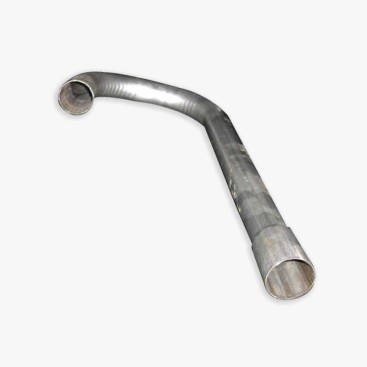
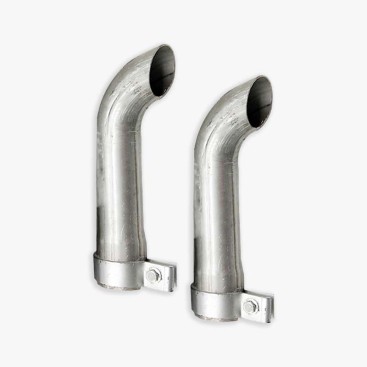
| Automobil | Auspuffrohre, catalytic systems, Schalldämpfer |
| Industrielle Heizung | Öfen, Brenner, hitzebeständige Kanäle |
| Energy Systems | Flue gas and thermal recovery pipelines |
| HVAC | High-temperature ventilation systems |
6. Warum Käufer sich für Teda Ganghua entscheiden
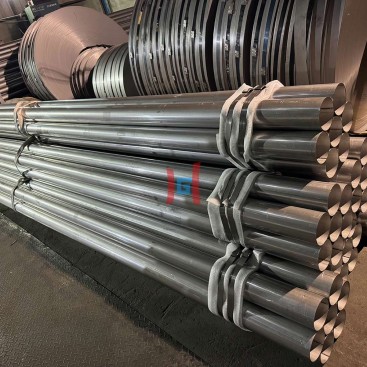
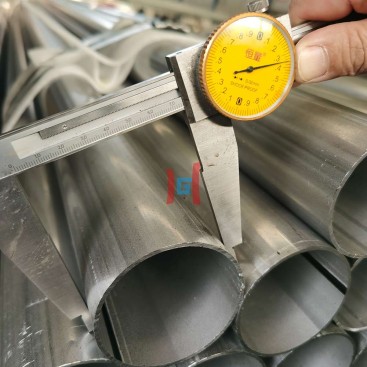
Bei Teda Ganghua, we supply hot dip aluminum silicon coated steel tubes with stable 9–10% Si coating composition, controlled diffusion layer thickness, und konstante Hochtemperaturleistung für industrielle Anwendungen.
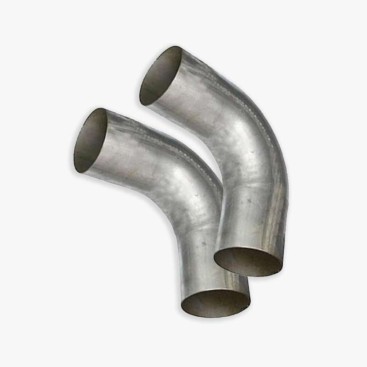
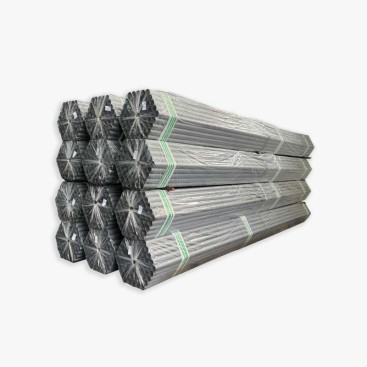
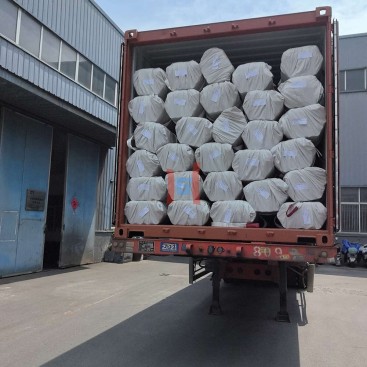
Wir unterstützen die OEM-Verarbeitung, Schneiden, Biegen, und vollständige Exportverpackung für globale Kunden in der Automobil- und Energieindustrie.
Entdecken Sie hier unsere aluminisierten Stahlrohrprodukte:
Produkte aus aluminisierten Stahlrohren
Abschluss
Silizium ist der verborgene technische Schlüssel in aluminisierten Beschichtungen. Durch die Kontrolle des intermetallischen Wachstums und die Stabilisierung der Beschichtungsstruktur, es erhöht die Hitzebeständigkeit erheblich, Haftung, und Lebensdauer in anspruchsvollen Industrieumgebungen.