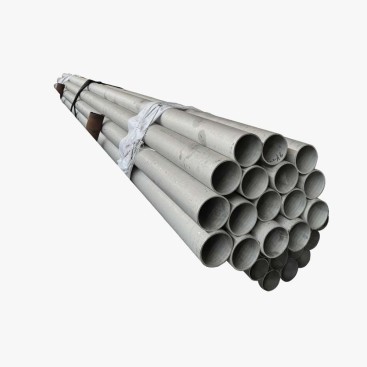
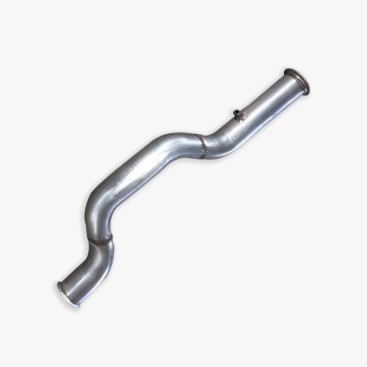
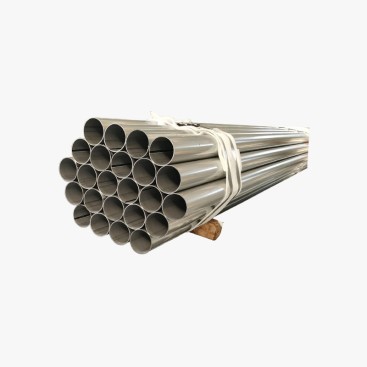
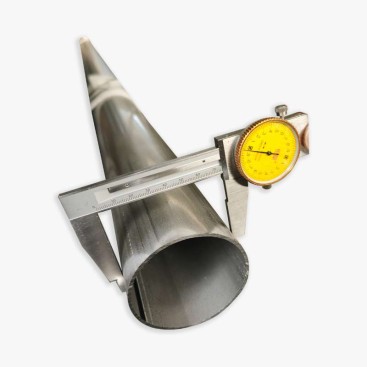
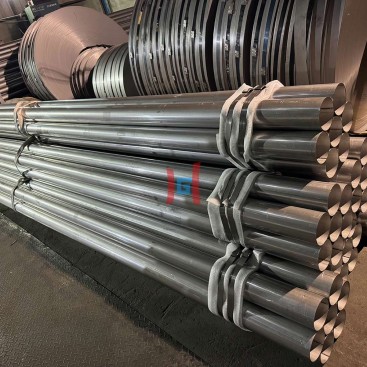
Tubo de acero de silicio aluminizado


- Descripción
Descripción
Tubo de acero de silicio aluminizado: Why Silicon-Added Coating Outperforms Pure Aluminum Coating
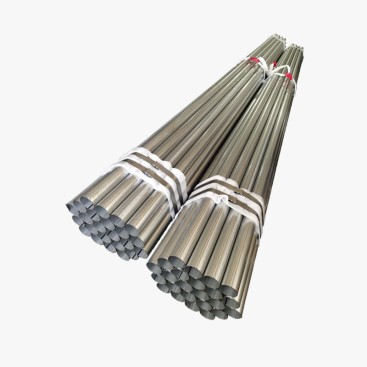
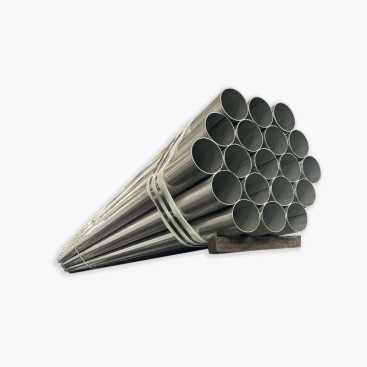
Aluminized silicon steel tube is a high-performance coated steel product that significantly improves high-temperature durability by introducing silicon into the aluminum coating system. Compared with pure aluminum coating (Tipo 2), el Al-Si alloy system (Tipo 1) delivers superior oxidation resistance, coating stability, and thermal cycling performance.
The key difference lies in how silicon modifies oxidation behavior and suppresses brittle intermetallic growth under high-temperature conditions.
1. Tipo 1 vs tipo 2 Aluminized Coating Comparison
| Característica | Tipo 1 (Al-Si Coating) | Tipo 2 (Pure Aluminum Coating) |
|---|---|---|
| Composición | Aluminio + ~9–10% Silicon | Pure Aluminum coating |
| Intermetallic control | Thin, stable Fe₂Al₅ layer | Thicker, faster-growing brittle layers |
| Estabilidad a altas temperaturas | Excelente (hasta ~800°C) | Moderado (lower thermal stability) |
| Coating adhesion | Stronger under thermal cycling | More prone to spalling |
| Typical application | escape automotriz, tubos de horno | Lower temperature corrosion environments |
2. Why Silicon Changes the Performance Equation
| Role of Silicon | Metallurgical Effect |
|---|---|
| Diffusion control | Slows Fe-Al interdiffusion, reducing brittle layer growth |
| Phase stabilization | Stabilizes Al-rich coating structure at high temperature |
| Oxide layer improvement | Promotes dense, stable Al₂O₃ formation |
| Thermal fatigue resistance | Improves coating life under heating/cooling cycles |
Silicon acts as a microstructural regulator, ensuring that the coating remains stable under repeated thermal stress.
3. Oxidation Performance Comparison (Typical Trend)
| Test Condition | Tipo 1 (Al-Si) | Tipo 2 (Al only) |
|---|---|---|
| Oxidation weight gain (800°C, 100h) | Low and stable increase | Significantly higher oxidation rate |
| Thermal cycling (RT ↔ 800°C) | Minimal coating degradation | Cracking and partial spalling observed |
| Long-term exposure stability | Dense, protective Al₂O₃ layer maintained | Gradual coating breakdown |
Tipo 1 coatings consistently show lower oxidation growth rates due to more stable oxide film formation.
4. Cyclic Oxidation Behavior
| Cycle Condition | Tipo 1 (Al-Si) | Tipo 2 (Alabama) |
|---|---|---|
| Primero 10 cycles | Stable surface with intact oxide film | Minor surface cracking begins |
| 20–50 cycles | Self-healing oxide behavior observed | Progressive coating delamination |
| 50+ cycles | Structural integrity maintained | Significant coating failure risk |
The presence of silicon enables a self-stabilizing oxide regeneration effect, significantly extending service life.
5. Microstructural Mechanism Summary
| Mechanism | Effect on Performance |
|---|---|
| Si addition in coating bath | Reduces intermetallic layer growth rate |
| Al₂O₃ formation | Dense, protective barrier against oxygen diffusion |
| Controlled diffusion interface | Improved coating adhesion and flexibility |
| Thermal stability enhancement | Better resistance to cyclic heating stress |
6. Principales aplicaciones industriales
| Industria | Solicitud |
|---|---|
| Automotor | Tubos de escape, catalytic converter housings |
| Energía | Conductos de humos, heat recovery systems |
| Industrial Furnaces | Radiant tubes, high-temperature piping |
| Sistemas HVAC | Heat-resistant ventilation tubing |
7. Por qué los compradores eligen Teda Ganghua
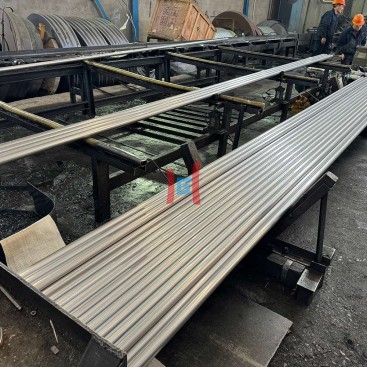
En Teda Ganghua, we supply aluminized silicon steel tubes with controlled Al-Si coating composition, stable metallurgical bonding, and reliable high-temperature performance for demanding industrial environments.
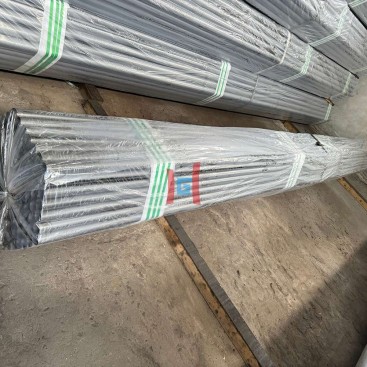
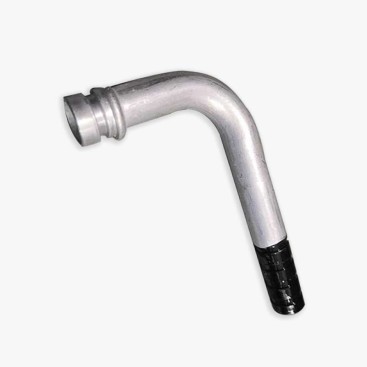
Proporcionamos procesamiento OEM, corte, preparación para doblar, and export packaging solutions for global automotive and thermal engineering customers.
Explore nuestros productos de tubos de acero aluminizado aquí:
Productos de tubo de acero aluminizado
Conclusión
Silicon addition fundamentally transforms aluminized coatings by stabilizing intermetallic growth and improving oxidation resistance. Compared to pure aluminum coatings, Al-Si systems deliver significantly better cyclic oxidation performance and long-term durability in high-temperature applications.