Precio de tubería de acero aluminizado por tonelada

- Descripción
Descripción
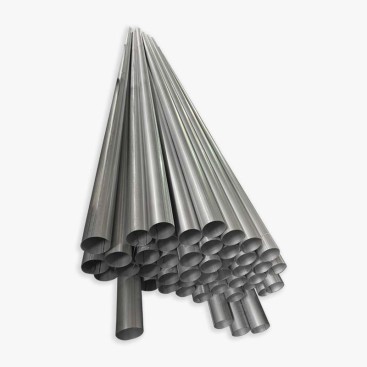
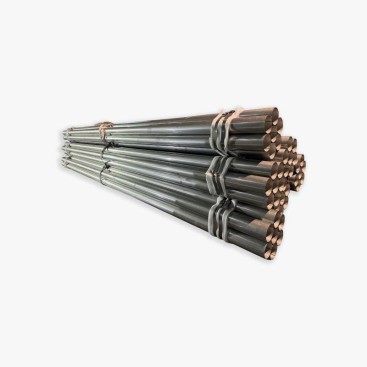
Aluminized steel pipe is often quoted on a per-ton basis when the order is large enough for production planning, full-container shipment, annual contracts, or direct commercial negotiation with a major upstream supplier. Sin embargo, a tonne figure is meaningful only when the buyer also knows the substrate, especificación de recubrimiento, dimensiones, weight-settlement method, delivery term and commercial conditions. A lower nominal tonne figure can represent a different material configuration or a different settlement basis, so large-volume procurement should compare the complete cost structure rather than the headline unit alone.
When Per-Ton Purchasing Makes Sense
Per-ton purchasing is most useful when the buyer has a substantial and relatively predictable material requirement. Instead of calculating the cost of every individual tube, procurement can negotiate a material basis for a production batch or longer-term supply program.
Suitable when the required dimensions and quantity can efficiently utilize a container or other shipment unit.
Useful when monthly or quarterly demand is sufficiently stable to support planned production and shipment schedules.
A tonne basis can simplify discussions involving large material volumes and recurring specifications.
For small quantities or highly customized finished components, a per-piece or per-metre basis can be easier to understand. For large orders, sin embargo, the tonne basis provides a common starting point for analyzing steel consumption, coating input and production efficiency.
What Does a Per-Ton Figure Actually Represent?
A tonne quotation is not necessarily a direct reflection of the raw steel price. The commercial figure can contain substrate material, revestimiento, formación de tubos, soldadura, apresto, inspección, packaging and other agreed charges. Depending on the delivery term, freight and export-related costs may also be included.
| Cost Component | What Can Change It | Large-Order Check |
|---|---|---|
| Sustrato | Steel grade, espesor, width and raw-material market | Confirm grade and material basis |
| Revestimiento | Tipo de recubrimiento, mass and production route | Confirm coating designation and settlement basis |
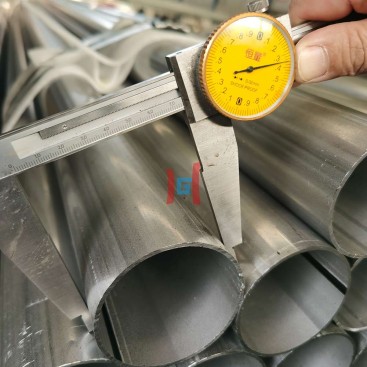
| Tube manufacturing | DE, espesor de pared, soldadura, sizing and tolerance | Check whether the quoted tonne rate includes conversion |
| Tratamiento | Corte, doblando, end forming and inspection | Separate standard tube from finished components |
| Packaging & freight | Bundle configuration, container utilization and destination | Confirm included delivery costs and shipment basis |
For aluminum-coated products, the coating specification should be identified rather than using “aluminized” as a complete technical description. ASTM A463/A463M covers hot-dip aluminum-coated steel sheet and defines coating types and coating-mass requirements, while ASTM A787/A787M covers electric-resistance-welded metallic-coated carbon steel mechanical tubing.
Tonne, Metre and Piece: Keep the Conversion Basis Consistent
Large-order buyers frequently compare a tonne quotation with a supplier quoting per metre or per piece. That comparison is only valid after converting all offers to the same physical specification and settlement basis.
The basic relationship is:
Cost per metre = Cost per tonne × theoretical or agreed kg/m ÷ 1000
Cost per piece = Cost per metre × finished length
Tonnes required = total metres × agreed kg/m ÷ 1000
For a round steel tube, a commonly used theoretical substrate-weight formula is:
kg/m ≈ 0.02466 × t × (D − t)
D = outside diameter in mm; t = wall thickness in mm.
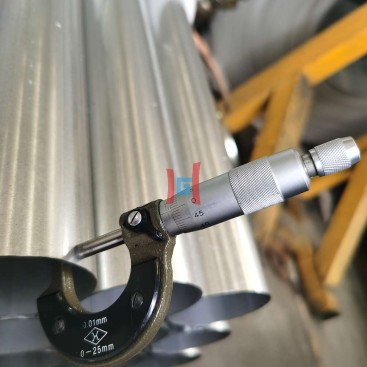
This formula is a theoretical calculation for the steel substrate. A finished coated tube may have a different actual mass because of coating material and manufacturing tolerances. Por lo tanto, a tonne-to-metre conversion should always state whether the weight is theoretical, actual, or based on another agreed method.
A Simple Conversion Example
Assume a round tube has an outside diameter of 50.8 milímetros and a wall thickness of 1.5 milímetros. Its approximate theoretical substrate weight is:
kg/m ≈ 0.02466 × 1.5 × (50.8 − 1.5)
≈ 1.82 kg/m
Approximate theoretical length per metric tonne: 1000 ÷ 1.82 ≈ 549 metro
The approximately 549 m figure is a theoretical substrate conversion. It should not be used as the contractual delivered length of coated finished tube unless the agreed weight basis and dimensions support that calculation.
Why Two Tonne Quotations May Not Be Comparable
Even when two suppliers quote the same currency per tonne, the underlying commercial basis may be different. The first supplier may quote on actual finished-product weight, while the second uses theoretical weight. One quotation may include cutting and packaging while another treats them as additional charges.
| Comparison Point | Supplier A | Supplier B | Buyer Must Align |
|---|---|---|---|
| Weight basis | Theoretical | Actual | Contractual weighing method |
| Longitud | Longitud estándar | Fixed cut length | Finished-length requirement |
| Tratamiento | Tube only | Cut and deburred | Included operations |
| Freight | Excluded | Included | Same delivery term |
Only after these variables are aligned does the tonne figure become a useful commercial comparison.
What Moves the Tonne Basis?
Substrate Market Conditions
The steel substrate normally represents a major portion of the physical material input. Changes in the underlying steel grade, coil specification and raw-material market can therefore affect the commercial basis. A quotation should state whether the material basis is fixed for the entire order or linked to a market reference.
Especificación de recubrimiento
Coating type and coating mass affect material consumption and processing. A buyer should avoid comparing one coating designation with another simply because both products are described as aluminum-coated steel.
Order Quantity
Larger compatible orders can distribute setup, production preparation and certain logistics costs across more output. Sin embargo, the benefit depends on whether the additional volume uses the same grade, dimensions and coating configuration.
Lead Time
A short production schedule can affect manufacturing planning, raw-material allocation and shipment arrangements. If delivery timing is flexible, the supplier may have more opportunities to combine production with an existing run.
Condiciones de pago
Payment conditions can affect the commercial offer because they influence working-capital requirements and transaction risk. For large orders, buyers should compare payment terms together with the material figure rather than negotiating them as completely separate issues.
Container Loading and Tonnage
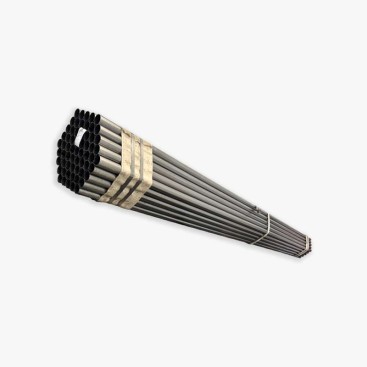
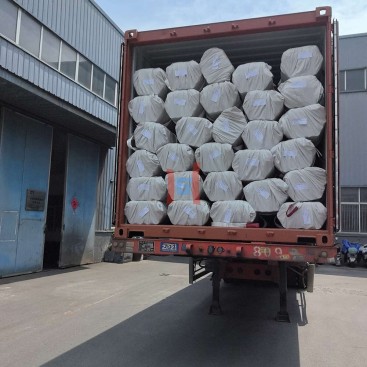
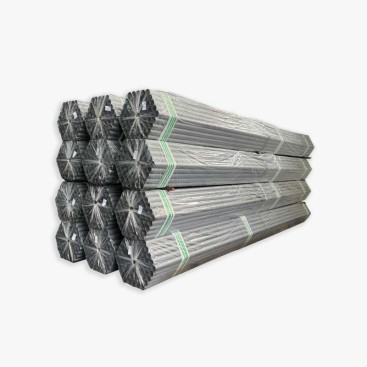
For international bulk procurement, the relationship between tonne quantity and container utilization is important. The maximum practical shipment weight is not determined only by the theoretical capacity of the container. Road regulations, port requirements, container tare weight, shipping-line restrictions, destination rules, bundle dimensions and the physical arrangement of long tubes can all affect the practical load.
Long tubular products also consume space differently from compact steel products. A shipment may reach a dimensional or handling constraint before reaching the buyer’s desired nominal tonne quantity. Por lo tanto, a full-container quotation should identify both the expected net cargo weight and the planned packing configuration.
| Loading Factor | Why It Matters |
|---|---|
| Tube length | Determines how bundles can be arranged and handled. |
| OD and wall | Controls mass per metre and therefore total tonnes at a given physical volume. |
| Bundle configuration | Affects available container space and handling efficiency. |
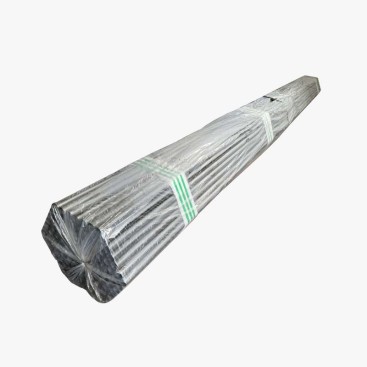
| Packaging protection | Adds packaging material and may increase overall shipment dimensions. |
| Transport restrictions | May limit the practical cargo weight even when physical container space remains. |
How to Negotiate a Large-Order Tonne Basis
Fixed Price vs Market-Linked Pricing
For a large annual requirement, buyers can discuss whether the material basis should be fixed for a defined period or adjusted according to an agreed market reference. A fixed basis provides greater budget certainty but transfers more market risk to the supplier or buyer depending on the contract structure. A market-linked formula can track changes in the underlying material market but requires a clearly defined reference and adjustment mechanism.
Define Surcharges in Advance
Ask whether cutting, testing, special packaging, documentation, estampación, expedited production or other requirements create additional charges. Any surcharge should have a clear trigger and calculation method rather than being introduced after the order is released.
Define the Weight Settlement Method
The contract should specify whether settlement is based on theoretical weight, actual scale weight or another agreed method. If actual weighing is used, identify the weighing point, acceptable measurement procedure and treatment of packaging weight.
Lock the Technical Specification
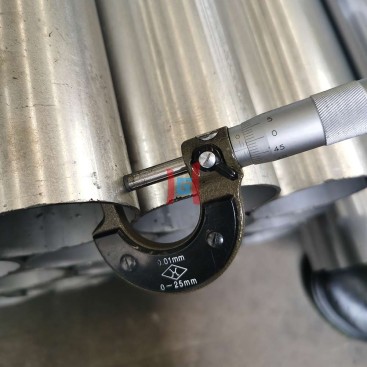
A tonne figure is meaningful only against a fixed technical scope. Specify substrate grade, DE, espesor de pared, coating type, coating mass, tolerancia, longitud, processing and inspection requirements before negotiating the commercial basis.
A Large-Order Cost Comparison Template
Product form: Aluminized steel pipe / tube
Estándar: __________________
Substrate grade: __________________
OD × wall: __________________
Coating type and mass: __________________
Longitud: Estándar / fixed ______ mm
Quantity: ______ tonnes / ______ pieces
Weight basis: Theoretical / actual / other ______
Base material component: ______
Coating component: ______
Tube-making component: ______
Processing component: ______
Packaging: Included / excluded
Freight: Included / excluded; delivery basis ______
Price mechanism: Fixed / market-linked
Settlement: Weight verification and tolerance ______
Teda Ganghua Bulk Procurement Support
Teda Ganghua can support buyers who need to evaluate larger-volume coated tube requirements on a consistent tonne, metre and piece basis. Procurement teams can provide the substrate grade, DE, espesor de pared, especificación de recubrimiento, longitud, quantity and processing requirements so that the material configuration and shipment plan can be assessed together.
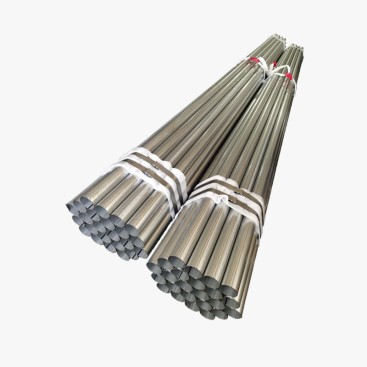
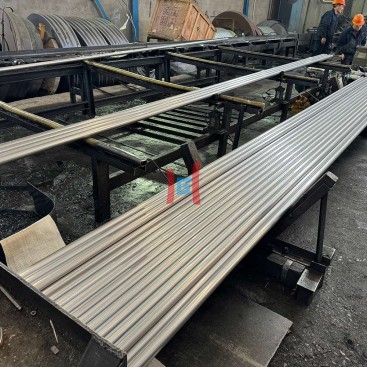
For buyers sourcing tubos de acero aluminizado, Teda Ganghua can coordinate stock and production requirements for bulk orders, including fixed-length and customized specifications where applicable. A detailed quotation can be structured around the technical specification, weight basis, processing scope, packaging and delivery requirements, making it easier for procurement teams to compare different offers on a like-for-like basis.
For annual or full-container purchasing, buyers should also discuss production scheduling, shipment consolidation, acceptable dimensional tolerances and the mechanism for handling changes in raw-material conditions. These details can have a larger impact on the final procurement result than simply negotiating the nominal tonne figure.
Preguntas frecuentes
When should I request a per-ton quotation?
A tonne basis is particularly useful for large-volume requirements, full-container orders, recurring monthly demand and annual supply agreements. For small quantities or highly customized finished components, a metre or piece basis may be easier to evaluate.
Can I convert a tonne quotation into a metre figure?
Sí, provided the weight basis is known. Multiply the agreed cost per tonne by the agreed kg/m and divide by 1,000. The calculation must use the same OD, espesor de pared, coating and weight-settlement method as the quotation.
Why does theoretical weight differ from actual weight?
Theoretical weight is calculated from nominal dimensions and an assumed material density. Actual weight reflects the supplied product, including dimensional tolerances, manufacturing variation and, where applicable, coating material. The contract should identify which method controls settlement.
Does a full container always equal a fixed number of tonnes?
No. Practical cargo weight depends on tube dimensions, bundle arrangement, embalaje, limitaciones de contenedores y restricciones de transporte. El proveedor debe proporcionar el peso neto de carga planificado y la configuración de embalaje para el pedido específico..
¿Qué debería negociarse además de la cifra de toneladas??
Definir la especificación técnica., weight basis, mecanismo de precios, recargos, condiciones de pago, plazo de entrega, embalaje, base de entrega, requisitos de inspección y procedimiento de liquidación. Estas condiciones determinan si las cotizaciones de dos toneladas son realmente comparables..