- Descripción
Descripción
Aluminized Steel Tube vs Pipe: What’s the Difference and Which One Should You Buy?
In industrial procurement, the terms “tube” y “pipe” are often used interchangeably—but in reality, they follow different sizing systems, design standards, and application logic. This difference becomes especially important when selecting aluminized steel products para automotriz, climatización, and thermal systems.
Understanding this distinction helps buyers avoid specification errors, mismatched fittings, and costly redesigns.
1. Tube vs Pipe: Core Engineering Difference
| Artículo | Tube | Tubo |
|---|---|---|
| Measurement System | Diámetro exterior (DE) & Espesor de la pared | NPS (Nominal Pipe Size) |
| Dimensional Accuracy | Alta precisión | Standardized flow-based sizing |
| Primary Focus | Structural / mechanical applications | Fluid or gas transport |
| Tolerance Level | Tighter tolerance control | Looser dimensional tolerance |
In simple terms: tube = precision structure, mientras pipe = fluid transport system.
2. Why Aluminized Steel is More Common in Tubes
| Reason | Explanation |
|---|---|
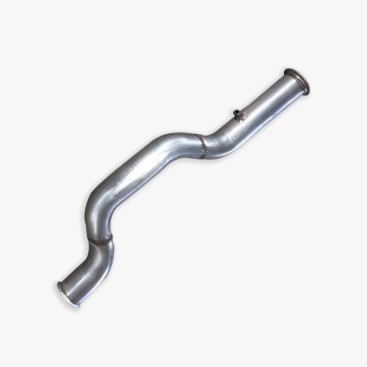
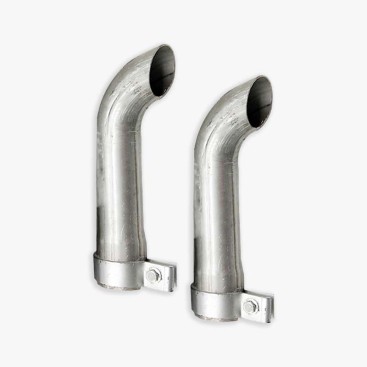
| Automotive Geometry Needs | Exhaust systems require tight bends and precision OD control |
| Surface Coating Stability | Al-Si coating performs better in controlled wall-thickness tubes |
| Structural Design | Tubes handle vibration and mechanical stress better |
| Manufacturing Consistency | Cold-formed tubing ensures stable coating adhesion |
Because of these reasons, aluminized steel is predominantly produced in tube form rather than pipe form.
3. Size Standards: OD Tube vs NPS Pipe
| System | Definición | Ejemplo |
|---|---|---|
| OD Tube System | Measured by outer diameter (mm/inch) | 25.4milímetros, 38milímetros, 50.8mm tube |
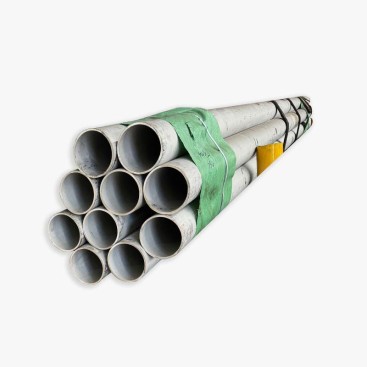
| NPS Pipe System | Nominal Pipe Size (approximate ID reference) | 1″, 2″, 3″ tubo (actual OD varies) |
This is one of the most common sourcing errors in international procurement.
4. Where Each One Is Used
| Solicitud | Preferred Product Type |
|---|---|
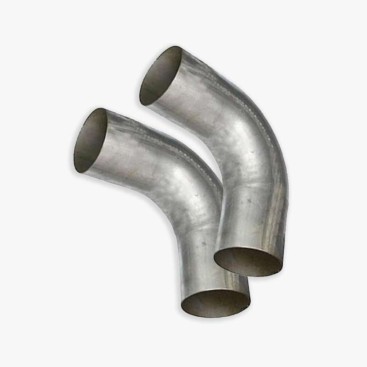
| Sistemas de escape para automóviles | Aluminized steel tube |
| Heat exchanger frames | Aluminized steel tube |
| Fluid / gas transport pipelines | Steel pipe (rare use for aluminized) |
| Structural support systems | Tube |
In aluminized steel applications, tube dominates due to precision and coating performance requirements.
5. Procurement Risks: Tube vs Pipe Confusion
| Risk | Consequence |
|---|---|
| Wrong sizing system | Fitting mismatch in assembly |
| Incorrect tolerance expectation | Installation failure or leakage |
| Miscommunication in sourcing | Production delay and cost increase |
| Incorrect drawing interpretation | Redesign or rework required |
Buyers should always confirm whether drawings specify OD-based tube or NPS-based pipe.
6. How to Choose Correctly
| If Your Application Is… | Choose |
|---|---|
| Precision mechanical structure | Aluminized steel tube |
| Escape / thermal system | Aluminized steel tube |
| Large-scale fluid transport | Standard pipe system (non-aluminized typically) |
For most aluminized steel applications, the correct procurement choice is tube specification.
7. Por qué los compradores eligen Teda Ganghua
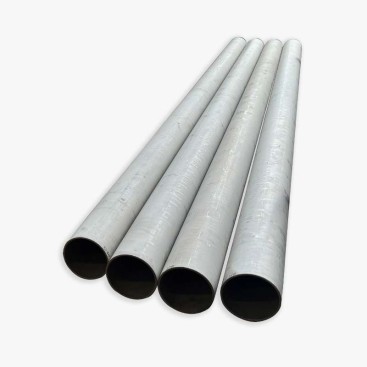
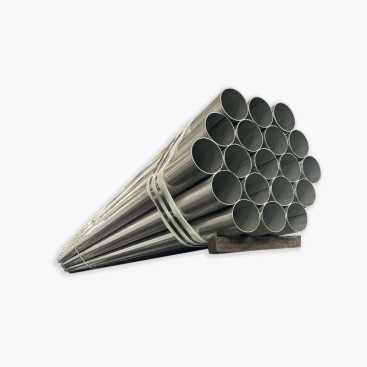
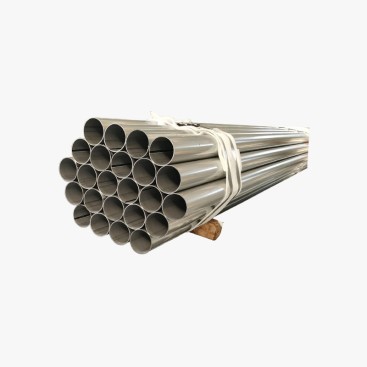
En Teda Ganghua, Suministramos tubos de acero aluminizado de alta calidad con un control preciso del diámetro exterior., Adhesión estable del revestimiento Al-Si, y rendimiento mecánico consistente para sistemas automotrices e industriales.
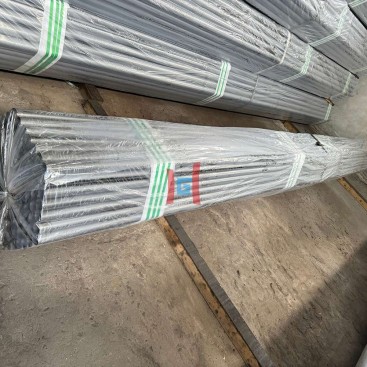
Apoyamos el corte OEM, doblando, y embalaje de exportación adaptado a clientes de ingeniería globales.
Explore nuestros productos de tubos de acero aluminizado aquí:
Productos de tubo de acero aluminizado
Conclusión
La diferencia entre tubo y tubería no es sólo terminológica: afecta directamente al diseño de ingeniería., compatibilidad de montaje, y precisión en las adquisiciones. En sistemas de acero aluminizado, El tubo es la opción dominante y técnicamente correcta para la mayoría de las aplicaciones..