Escape de acero aluminizado versus escape de acero inoxidable


- Descripción
Descripción
Aluminized Steel vs Stainless Steel Exhaust: 10-Year Total Cost Analysis and Smart Material Selection
When comparing aluminized steel exhaust systems and stainless steel exhaust systems, the lowest initial cost does not always represent the lowest ownership cost. A complete decision should consider the entire service period, including material cost, installation labor, replacement frequency, maintenance downtime, and vehicle resale value.
This guide focuses on the 10-year total cost of ownership (TCO) rather than only comparing surface corrosion resistance. The goal is to determine when aluminized steel is the economical choice and when stainless steel becomes the better long-term investment.
Why Initial Price Does Not Tell the Full Story
Aluminized steel exhaust pipes are widely used because they provide good heat oxidation resistance and corrosion protection at a lower purchase cost. Sin embargo, exhaust systems are exposed to continuous thermal cycling, moisture condensation, sal del camino, and acidic gases, which gradually reduce coating performance.
Stainless steel exhaust systems require a higher initial investment, but the corrosion-resistant alloy structure provides longer service life with fewer replacements.
| Cost Factor | Aluminized Steel Exhaust | Escape de acero inoxidable |
|---|---|---|
| Initial Material Cost | Lower investment | Higher initial investment |
| Replacement Frequency | Possible replacement during long ownership | Usually designed for long-term service |
| Maintenance Labor | Higher over long periods | Lower due to fewer replacements |
| Long-Term Value | Better for short ownership cycles | Better for long-term ownership |
10-Year Total Cost of Ownership Model
A realistic TCO calculation should include four major elements:
- Initial exhaust pipe purchase cost
- Installation and labor cost
- Future replacement cost
- Downtime and repeated service expenses
The following example uses a simplified comparison model. The actual cost depends on vehicle type, climate, condiciones de conducción, and exhaust design.
| Material | Initial Cost Index | 10-Year Replacement Assumption | TCO Result |
|---|---|---|---|
| Acero Aluminizado | 1.0× | Initial installation + possible 2 replacements | Higher long-term labor cost |
| 409 Acero inoxidable | Approximately 1.5× | Usually no major replacement within 10 años | Lower long-term ownership cost |
| 304 Acero inoxidable | Approximately 2× | Designed for extended service | Premium long-term option |
Why Stainless Steel Can Become Cheaper After 10 Years
The hidden cost of aluminized exhaust systems is not only the replacement pipe itself. Repeated replacement creates additional expenses:
- Labor charges for removing and reinstalling exhaust components.
- Possible damage to clamps, fasteners, and connected parts during repeated repairs.
- Vehicle downtime caused by maintenance appointments.
- Unexpected failures in harsh weather conditions.
For owners planning to keep a vehicle for 8-10 years or longer, stainless steel can provide better economic value despite the higher initial purchase price.
When Aluminized Steel Is Still the Smarter Choice
A lower-cost material is not always the wrong choice. Aluminized steel remains highly practical for specific ownership situations.
| Situation | Recommended Material | Reason |
|---|---|---|
| Vehicle ownership under 3-5 años | Acero aluminizado | Lower upfront investment |
| Fleet vehicles with planned replacement cycles | Acero aluminizado | Cost control is more important than maximum lifespan |
| Long-term personal vehicle ownership | Acero inoxidable | Reduced replacement frequency |
| Coastal or salt-road environment | Acero inoxidable | Better chloride corrosion resistance |
Impact on Vehicle Resale Value
Exhaust systems can also influence second-hand vehicle perception. A stainless steel exhaust system is often considered an upgrade because buyers associate it with durability and reduced future maintenance.
An aluminized steel exhaust system is usually viewed as a replaceable wear component. It provides reliable service but normally does not add additional resale value.
Decision Checklist Before Choosing Exhaust Material
| Decision Factor | Recommended Direction |
|---|---|
| Vehicle ownership plan | Short ownership → aluminized steel; long ownership → stainless steel |
| Climate condition | Salt and coastal areas favor stainless steel |
| Budget limitation | Aluminized steel reduces initial expense |
| Performance upgrade plan | Stainless steel provides longer upgrade value |
Teda Ganghua Aluminized Steel Exhaust Tube Solutions
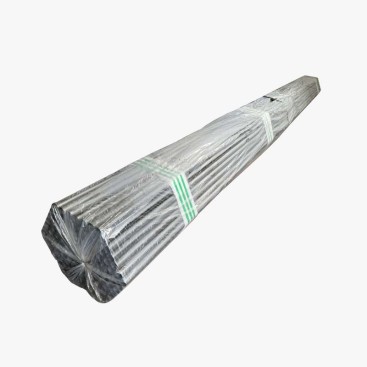
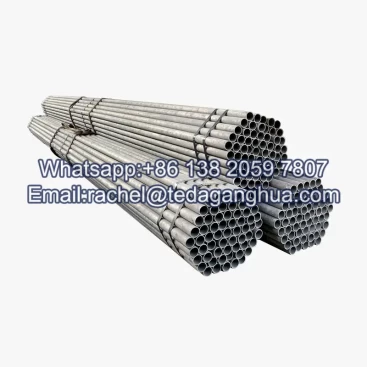
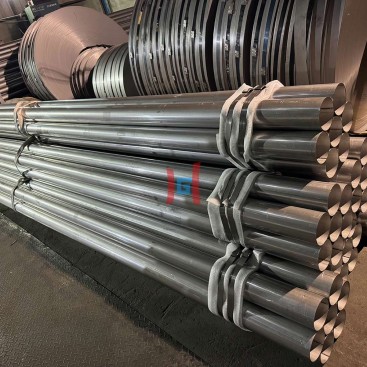
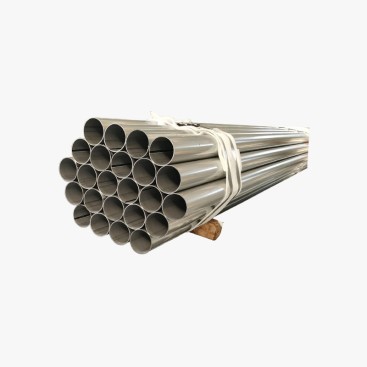
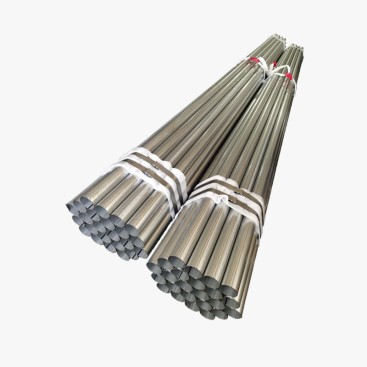
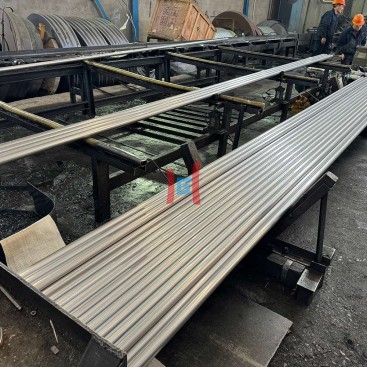
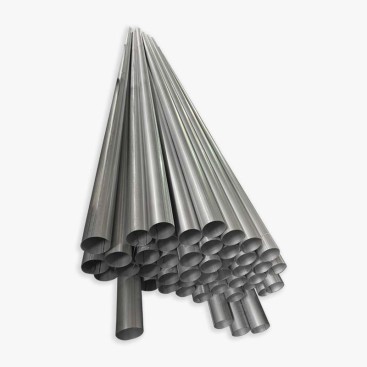
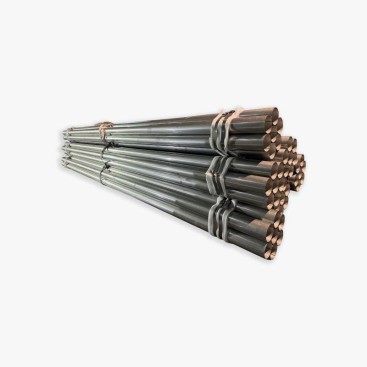
Teda Ganghua provides aluminized steel tube solutions for automotive exhaust manufacturers and industrial applications. The products combine aluminum-silicon coating technology with steel tube strength to improve oxidation resistance, heat durability, y protección contra la corrosión.
For customers seeking a cost-effective exhaust material solution with reliable high-temperature performance, Suministros Teda Ganghua tubos de acero aluminizado suitable for exhaust systems and thermal applications.
Preguntas frecuentes
1. Is aluminized steel exhaust cheaper in the long run?
It can be cheaper for short-term vehicle ownership. For long-term ownership, repeated replacement costs may make stainless steel more economical.
2. Does stainless steel exhaust last 10 años?
Many stainless steel exhaust systems are designed for long service periods, especially under moderate operating conditions.
3. ¿Qué material de escape es mejor para un vehículo conservado durante cinco años??
El acero aluminizado suele ser una opción práctica porque la inversión inicial más baja coincide con el período de propiedad..
4. ¿Por qué los sistemas de escape de acero inoxidable mejoran el valor de reventa??
Se consideran una actualización duradera porque los compradores esperan menos necesidades de reemplazo en el futuro..
5. ¿El acero aluminizado es adecuado para sistemas de escape de alta temperatura??
Sí. El revestimiento de aluminio proporciona una fuerte resistencia a la oxidación y se usa ampliamente en aplicaciones de escape de automóviles..