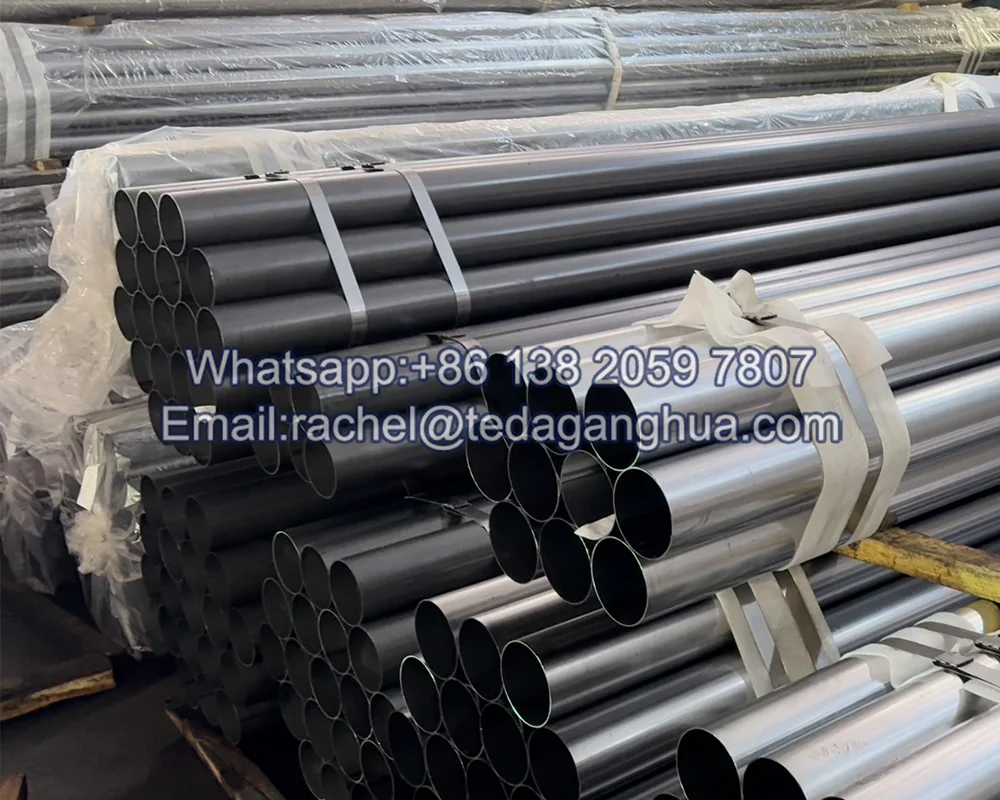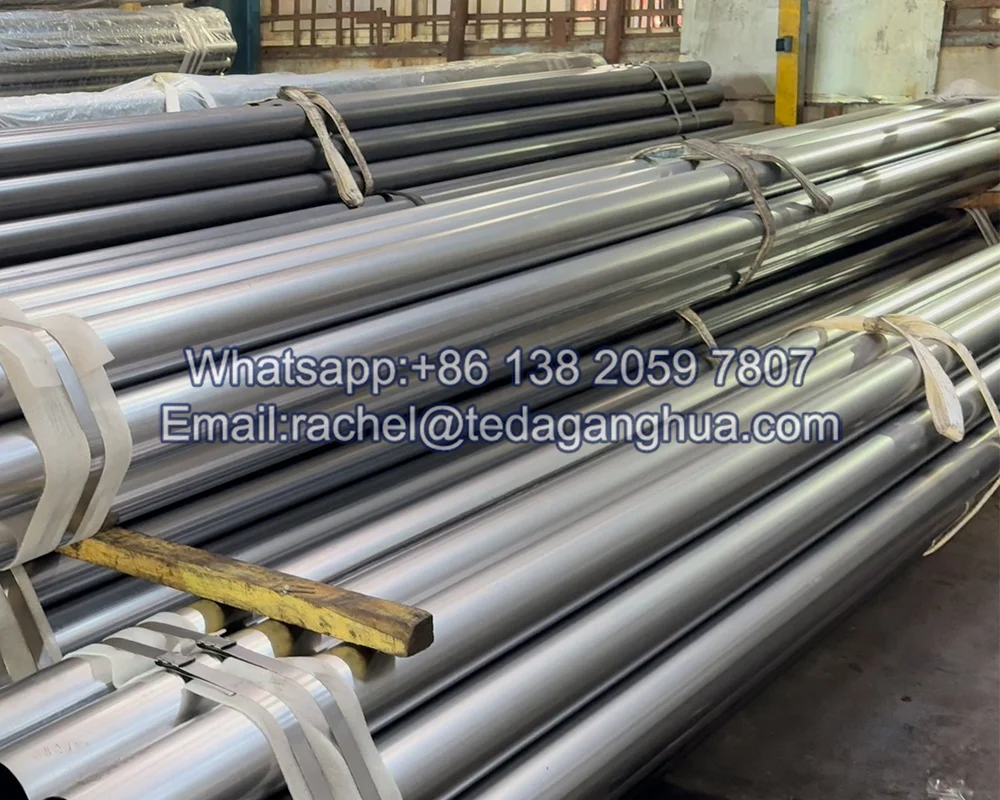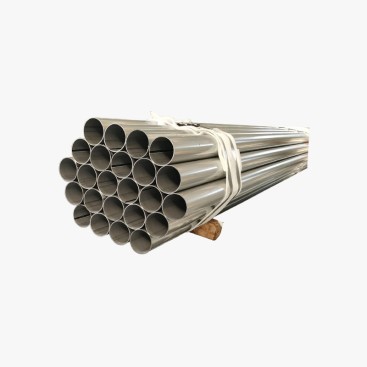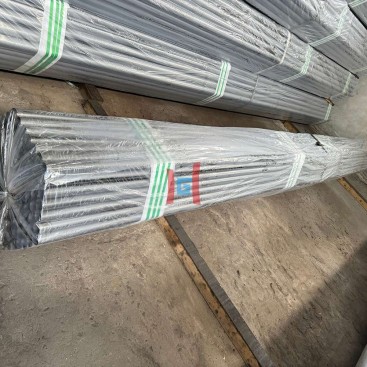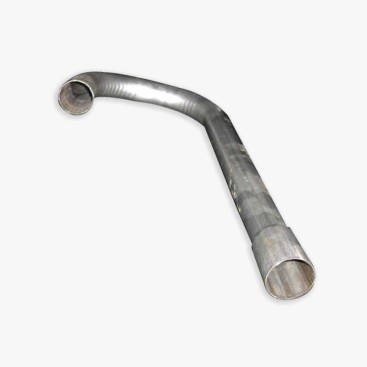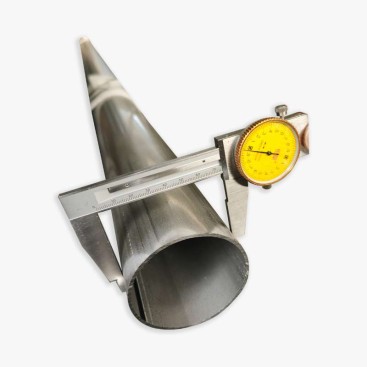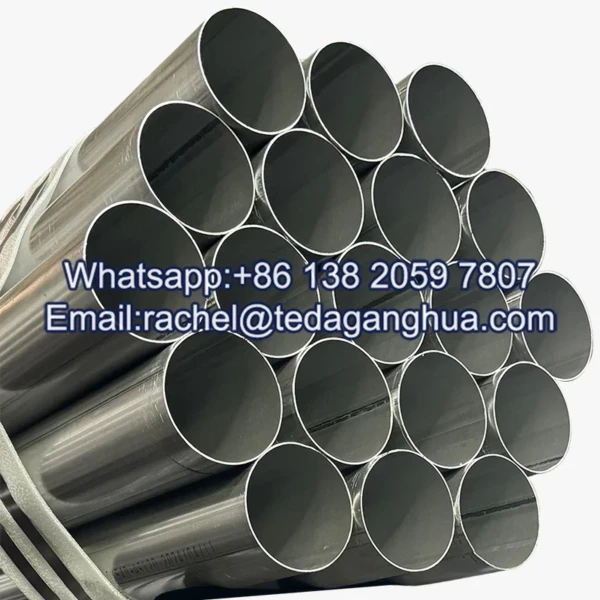
Tubo de acero recubierto de aluminio por inmersión en caliente
- Descripción
Descripción
When searching for hot dipped aluminium coated steel pipe, buyers may encounter two different spellings: “aluminio” y “aluminium.” These terms refer to the same chemical element. Sin embargo, a more important distinction exists behind the coating description: commercially pure aluminum coating and aluminum-silicon alloy coating are not the same material system.
This difference can affect heat resistance, forming behavior, adhesión del recubrimiento, and the suitability of the finished steel product for different industrial applications. For procurement engineers, identifying the coating type is more important than choosing between American and British spelling.
1. Aluminum or Aluminium: Is There a Technical Difference?
Aluminum is the spelling commonly used in American English, while aluminium is the spelling used in British English and many other international markets. Both names refer to the same chemical element, with the chemical symbol Al.
Por lo tanto, the following expressions can both appear in international product searches:
American English: Tubo de acero recubierto de aluminio
British English: Tubo de acero recubierto de aluminio
For SEO and international procurement, both spelling variations are worth covering. Sin embargo, changing the spelling does not change the coating composition or technical performance.
The real question is whether the coating consists primarily of commercially pure aluminum or an aluminum-silicon alloy.
2. Pure Aluminum Coating vs Aluminum-Silicon Coating
Hot-dip aluminum-coated steel products can be manufactured using different coating compositions. Two important categories are commercially pure aluminum coatings and aluminum-silicon alloy coatings.
Although both use aluminum as the principal coating element, the addition of silicon changes the coating structure and influences its behavior during manufacturing and service.
| Comparación | Pure Aluminum Coating | Aluminio-Silicio (Al-Si) Revestimiento |
|---|---|---|
| Resistencia al calor | Generally suitable for certain heat-resistant applications because of aluminum’s higher melting point. | Generally offers favorable high-temperature oxidation resistance and control of intermetallic layer growth. |
| Forming behavior | The coating can be relatively soft and may present handling or sticking challenges during processing. | The coating structure can provide better resistance to forming-related damage and coating separation under suitable conditions. |
| Aplicaciones típicas | Selected heat-resistant components and certain automotive applications. | Exhaust systems and formed components requiring a combination of heat and corrosion protection. |
| Main selection factor | Application temperature and required coating characteristics. | Forming conditions, resistencia a la oxidación, and coating integrity. |
These are general material-selection considerations rather than universal performance rankings. Actual behavior depends on the coating specification, substrate, processing conditions, temperatura de funcionamiento, y entorno de servicio.
3. Resistencia al calor: Why Coating Composition Matters
Heat resistance is one of the major reasons buyers consider aluminum-coated steel for industrial applications. Sin embargo, the melting point of the coating metal alone does not determine the maximum service temperature or oxidation performance of the finished product.
Pure Aluminum Coating
Commercially pure aluminum has a higher melting point than the aluminum-silicon alloy coating system commonly used for hot-dip coated steel. This characteristic can be relevant when selecting materials for certain elevated-temperature applications.
Sin embargo, the finished coating’s performance also depends on its structure, interaction with the steel substrate, exposure conditions, and duration of operation. A higher melting point should not automatically be interpreted as better overall high-temperature performance.
Aluminum-Silicon Coating
The addition of silicon influences the formation and growth of the iron-aluminum intermetallic layer during hot-dip coating. Controlling this layer is important because excessive intermetallic growth can affect coating properties and forming behavior.
Aluminum-silicon coatings are widely associated with applications requiring resistance to high-temperature oxidation, including certain automotive exhaust components and industrial heating equipment.
For buyers, the correct decision should be based on the actual operating temperature, oxidation environment, requisitos de formación, and applicable material specification rather than a single physical property.
Engineering consideration
A coating with a higher melting point is not necessarily the best choice for every high-temperature application. Resistencia a la oxidación, estructura de revestimiento, and long-term exposure conditions must also be evaluated.
4. Forming Performance: Softness, Adhesion, and Coating Damage
For manufacturers producing bent, sellado, or formed steel components, coating behavior during deformation is an important purchasing consideration.
Pure aluminum coatings and aluminum-silicon coatings have different microstructures. These differences can influence surface behavior during forming, particularly when the material experiences repeated contact with processing equipment or substantial deformation.
Considerations for Pure Aluminum Coating
Pure aluminum is relatively soft and ductile. Under certain processing conditions, its surface may create challenges such as material transfer or sticking against forming equipment. Tool condition, lubrication, contact pressure, and process parameters can influence the result.
Considerations for Al-Si Coating
Aluminum-silicon coatings have a different coating structure that can offer favorable resistance to forming-related coating damage. This is one reason they are considered for certain stamped and fabricated components.
Nevertheless, aluminum-silicon coatings are not immune to cracking or separation. Excessive deformation, inappropriate bending radii, unsuitable substrate properties, and poor process control can still damage the coating.
Before selecting either coating system, manufacturers should consider:
- Required stamping depth and forming complexity
- Tube bending radius and bending method
- Substrate thickness and mechanical properties
- Tooling design and lubrication conditions
- Acceptable coating appearance and adhesion after processing
5. Application Selection: Which Coating Fits the Product?
The intended application should determine the coating selection. Two products with similar external appearances may behave differently during fabrication and service if their coating compositions are different.
Pure Aluminum Coating
Potential application considerations
- Selected heat-resistant components
- Certain automotive parts
- Applications prioritizing particular pure-aluminum coating characteristics
Aluminum-Silicon Coating
Potential application considerations
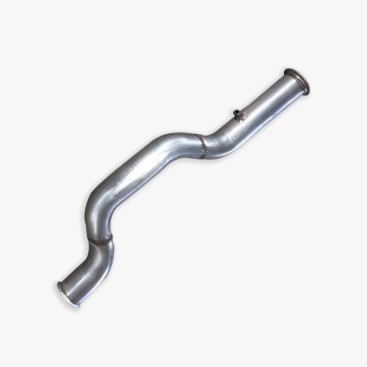
- Sistemas de escape para automóviles
- Heat-resistant fabricated components
- Stamped and formed steel parts
- Applications requiring controlled coating behavior during forming
These examples are not interchangeable application approvals. The selected coating must satisfy the specific engineering and testing requirements of the finished component.
6. Why the Term Aluminium Coated Is Not a Complete Specification
One of the most common procurement mistakes is to describe a product simply as aluminium coated steel pipe without identifying the coating type.
When the purchase order does not distinguish between pure aluminum and aluminum-silicon coatings, suppliers may quote products based on their respective standard production lines. Consequently, two quotations that appear to describe the same material may actually refer to different coating systems.
A procurement warning: If aluminium coated is not followed by a coating type or applicable standard, the supplier may offer its conventional production coating. Two suppliers can therefore quote different coating compositions under the same general product name.
To avoid this problem, buyers should specify the following information in their inquiry and purchase order:
| Artículo | Required Clarification |
|---|---|
| Tipo de recubrimiento | Pure aluminum or aluminum-silicon alloy |
| Applicable standard | Relevant coating and finished-product specifications |
| Sustrato | Steel grade and mechanical requirements |
| Coating acceptance | Masa de recubrimiento, inspection method, and surface requirements |
| Final application | Temperatura, formando, y entorno de servicio |
7. Teda Ganghua Metal: Supporting Clear Coating Specifications
Teda Ganghua Metal is a Tianjin TEDA-based steel stockist with 20 years of stockist and export experience. The company supports international buyers with industrial steel sourcing, material specification communication, and export supply coordination.
For buyers sourcing aluminium-coated steel products, confirming the coating composition is an essential step before comparing quotations. Pure aluminum and aluminum-silicon coatings should be identified separately according to the intended application and technical requirements.
Teda Ganghua Metal works with established steel producers, including Baosteel, TISCO, Angang Steel, TPCO, and VALIN. Its steel inventory and sourcing network support different industrial material requirements.
Our team can assist with substrate selection, coating specification discussions, dimensional requirements, material test certificates, and third-party inspection coordination according to the confirmed order. Buyers are welcome to arrange inspections and verify supplied materials against the agreed specifications.
Explore our tubos de acero aluminizado product category for industrial sourcing and technical inquiry support.
By confirming coating chemistry, material standards, and application requirements before ordering, buyers can reduce specification misunderstandings and improve consistency between quotations and delivered products.
Preguntas frecuentes
1. Are aluminum and aluminium different materials?
No. Aluminum is the American English spelling, while aluminium is the British English spelling. Both refer to the same chemical element, Alabama. The spelling difference does not indicate a different coating composition.
2. What is the main difference between pure aluminum and aluminum-silicon coatings?
Pure aluminum coatings and aluminum-silicon coatings have different structures and processing characteristics. Their heat resistance, oxidation behavior, and forming performance can differ. The appropriate selection depends on the finished product’s operating and manufacturing conditions.
3. Is an aluminum-silicon coating always better for high-temperature applications?
No necesariamente. Aluminum-silicon coatings are widely used where high-temperature oxidation resistance is important, but application suitability depends on temperature, duración de la exposición, substrate, condición del recubrimiento, y entorno de servicio.
4. Why do two suppliers quote different products under aluminium coated steel pipe?
The general description does not necessarily identify the coating composition. One supplier may quote commercially pure aluminum coating while another offers aluminum-silicon coating. Buyers should specify the required coating type and applicable standard.
5. How should buyers specify the coating in a purchase order?
Identify whether the requirement is commercially pure aluminum or aluminum-silicon alloy, specify the applicable coating standard and designation, and define coating mass, base de medición, y requisitos de inspección. La especificación de la tubería terminada también debe indicarse por separado..