Acier aluminisé en bobine


- Description
Description
Aluminized Steel in Coil: Coating Types, Specifications and Roll-Forming Applications
Aluminized steel coil is a continuously hot-dip coated steel product with an aluminum-based protective layer. It combines the strength and formability of steel with the oxidation resistance of aluminum, making it widely used for automotive exhaust systems, fours, composants résistants à la chaleur, and industrial equipment.
Unlike ordinary coated steel products, aluminized steel coil is designed for applications where both corrosion protection and high-temperature performance are required. The selection of coating type, substrate material, and forming process directly affects the final service performance.
What Is Aluminized Steel Coil?
Aluminized steel coil is produced by passing steel strip through a molten aluminum alloy bath. During the continuous hot-dip process, aluminum reacts with the steel surface to form an aluminum-iron intermetallic layer, creating a strong metallurgical bond between the coating and substrate.
The aluminum coating provides several advantages:
- High resistance to oxidation at elevated temperatures.
- Protection against atmospheric and condensation corrosion.
- Good heat reflection performance.
- Excellent suitability for stamping, flexion, et profilage.
Taper 1 par rapport au type 2 Revêtement aluminisé
The two main aluminized steel coating categories are Type 1 et type 2. They have different aluminum compositions and are selected according to application requirements.
| Type de revêtement | Composition | Principal avantage | Applications typiques |
|---|---|---|---|
| Taper 1 | Aluminum-silicon alloy (environ 5-11% Et) | High-temperature oxidation resistance and heat reflection | Systèmes d'échappement, fours, fourneaux, chaudières |
| Taper 2 | Commercially pure aluminum coating | Better atmospheric corrosion resistance | Toiture, agricultural structures, outdoor equipment |
Why Type 1 Is Preferred for High-Temperature Applications
Taper 1 aluminized steel contains silicon in the aluminum coating. Silicon controls the growth of the iron-aluminum alloy layer during coating production, improving coating adhesion and forming performance.
This makes Type 1 suitable for components exposed to repeated heating and cooling cycles, including automotive exhaust parts and industrial heating equipment.
Common Aluminized Steel Coil Specifications
Aluminized steel coil specifications vary depending on downstream processing requirements. Automotive and industrial manufacturers normally select thickness and width according to stamping, formage de tubes, or roll-forming equipment.
| Specification Item | Gamme typique | Application Consideration |
|---|---|---|
| Épaisseur | 0.4-3 mm | Selected according to strength and forming requirements |
| Largeur | 600-1500 mm | Suitable for slitting and roll forming |
| Poids de la bobine | 5-15 tonnes | Depends on transport and production requirements |
Substrate Selection: Carbon Steel vs Stainless Steel Base
The substrate material determines mechanical strength, performances de formage, and long-term temperature capability.
| Substrat | Caractéristiques | Applications |
|---|---|---|
| Acier à faible teneur en carbone | Excellent formability and economical production | Tuyaux d'échappement, stamped components, general heat-resistant parts |
| 409 Stainless Steel Base | Higher heat resistance and corrosion performance | Advanced exhaust systems and high-temperature applications |
Downstream Processing Applications
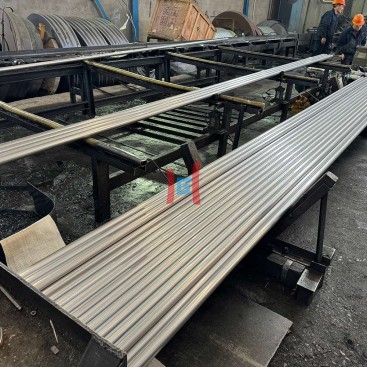
Aluminized steel coil is widely processed into finished components through roll forming, estampillage, refendage, and tube manufacturing.
| Processing Method | Produits finis |
|---|---|
| Roll Forming | Panneaux de toit, corrugated sheets, structural profiles |
| Estampillage | Coquilles de silencieux, boucliers thermiques, pièces automobiles |
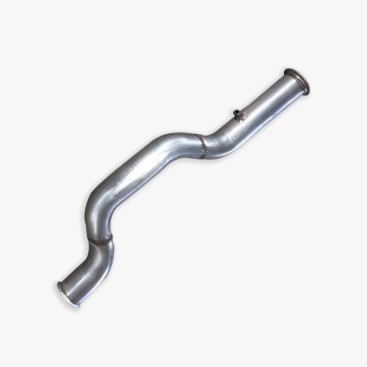
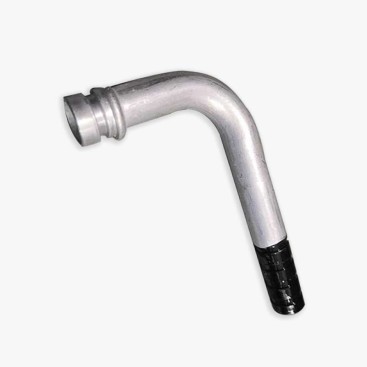
| Tube Manufacturing | Tuyaux d'échappement, heat exchanger tubes |
Forming Considerations: Preventing Coating Cracks
Although aluminized steel coil has good forming performance, excessive bending or extremely small bending radii may damage the coating surface.
During fabrication, manufacturers should consider:
- Selecting the correct bending radius based on material thickness.
- Avoiding excessive deformation during stamping.
- Inspecting coating damage after forming.
- Repairing exposed areas when required for severe environments.
Aluminized Coil Supply and Processing Services
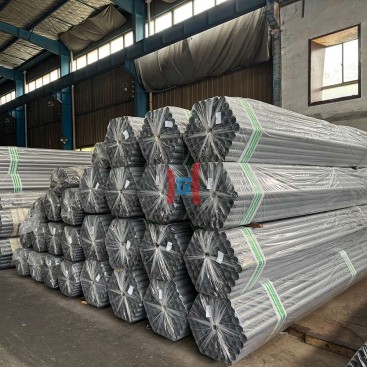
Reliable aluminized steel coil supply is important for manufacturers requiring consistent coating quality and stable production performance. Coil processing options such as slitting, nivellement, and cutting allow customers to match their fabrication equipment requirements.
Teda Ganghua provides aluminized steel solutions for automotive exhaust manufacturers, industrial equipment producers, and heat-resistant component applications. The company supports coated steel processing requirements with stable material supply and customized specifications.
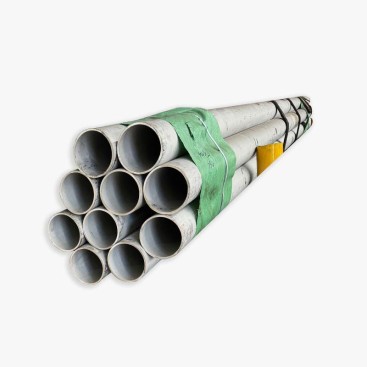
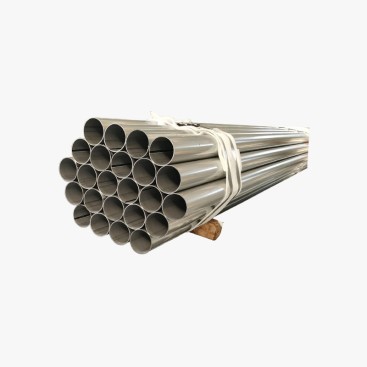
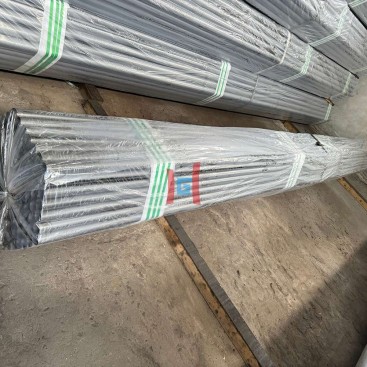
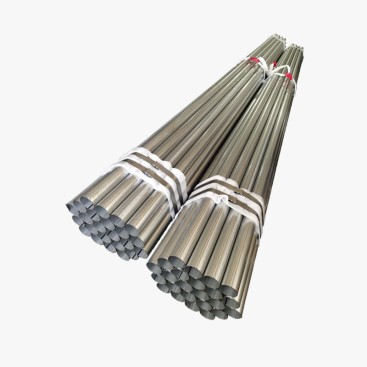
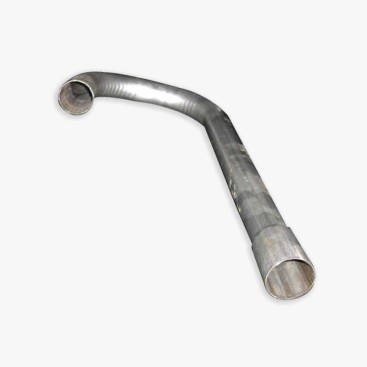
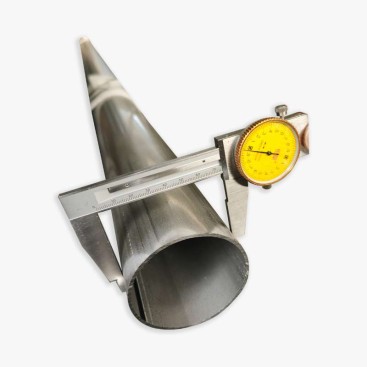
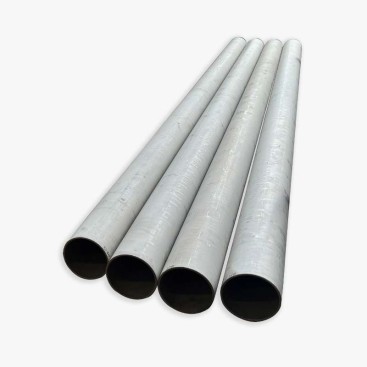
For customers looking for coated steel products for exhaust and thermal applications, Teda Ganghua supplies tubes en acier aluminisé and related aluminized steel solutions designed for high-temperature service environments.
FAQ
1. What is aluminized steel coil used for?
It is commonly used for automotive exhaust systems, fours, chaudières, heat-resistant parts, roofing products, and industrial components.
2. What is the difference between Type 1 et type 2 acier aluminisé?
Taper 1 uses an aluminum-silicon coating for better high-temperature performance, tandis que Tapez 2 uses pure aluminum coating mainly for atmospheric corrosion resistance.
3. Can aluminized steel coil be roll formed?
Oui. It can be processed through roll forming, estampillage, and tube manufacturing when proper forming parameters are used.
4. Does bending damage aluminized coating?
Une déformation importante ou un rayon de courbure incorrect peut créer des fissures dans le revêtement, les conditions de fabrication doivent donc être contrôlées.
5. Pourquoi le type est-il 1 acier aluminisé utilisé pour les systèmes d'échappement?
Le revêtement aluminium-silicium offre une forte résistance à l'oxydation et maintient la protection sous des cycles répétés à haute température.