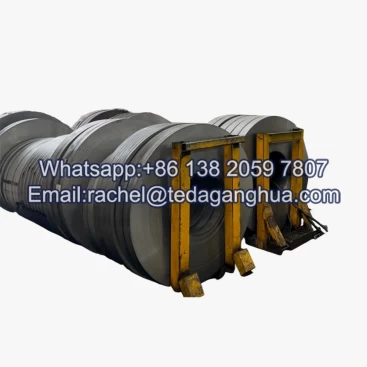
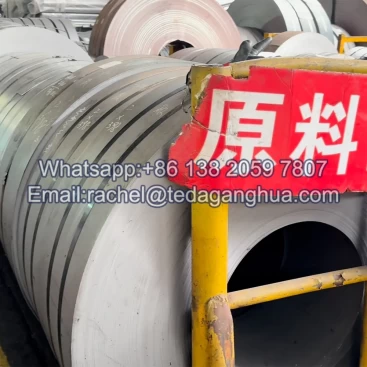
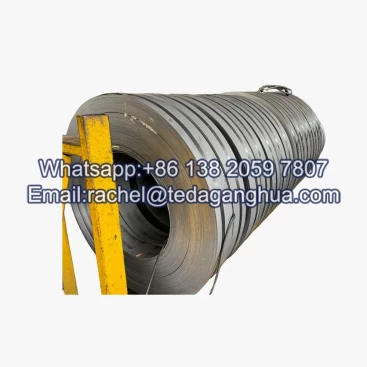
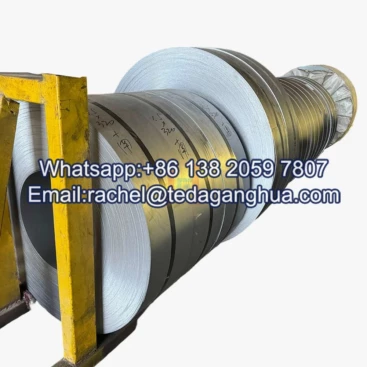
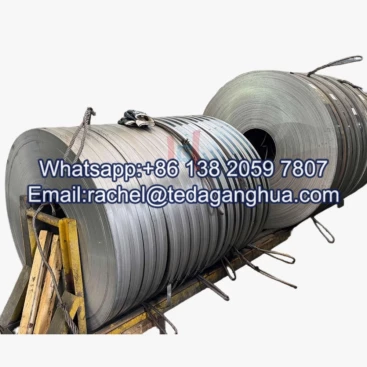
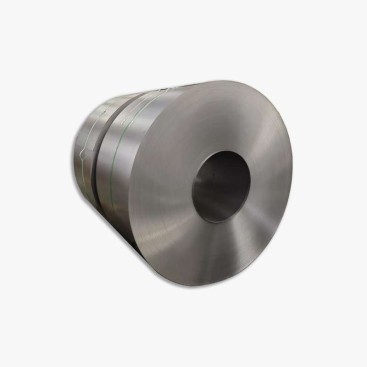
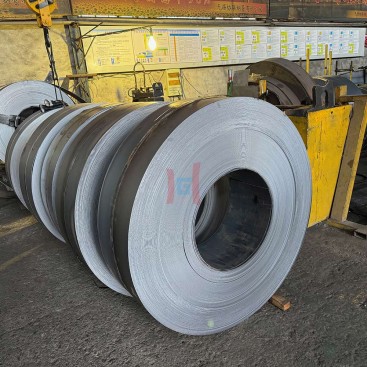
Type en acier aluminisé 1
Type en acier aluminisé 1 combines the strength of carbon steel with the heat resistance and corrosion protection of an aluminum-silicon coating. Its excellent oxidation resistance, thermal reflectivity, and formability make it a preferred material for high-temperature applications where long service life and reliable performance are required.
- Description
Description
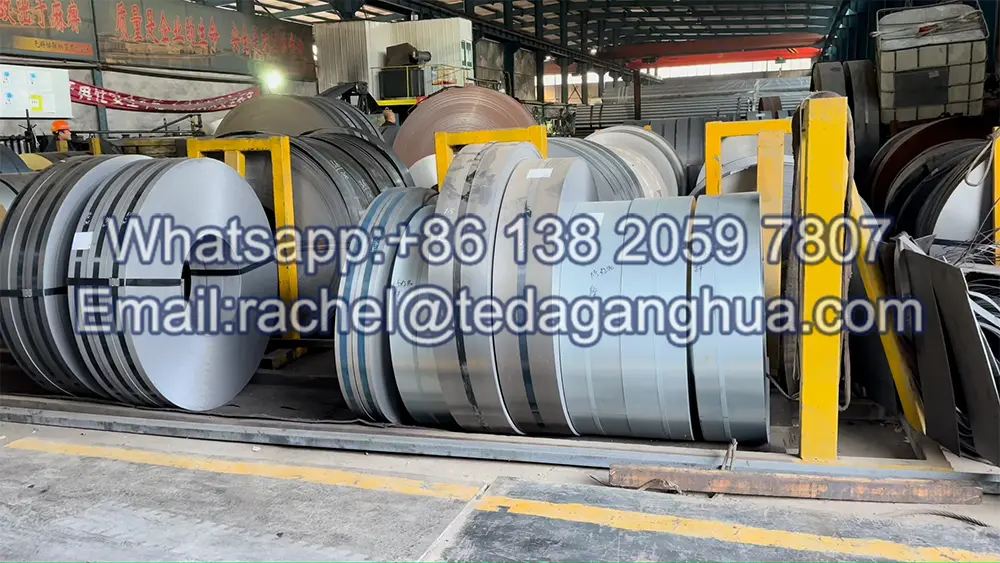
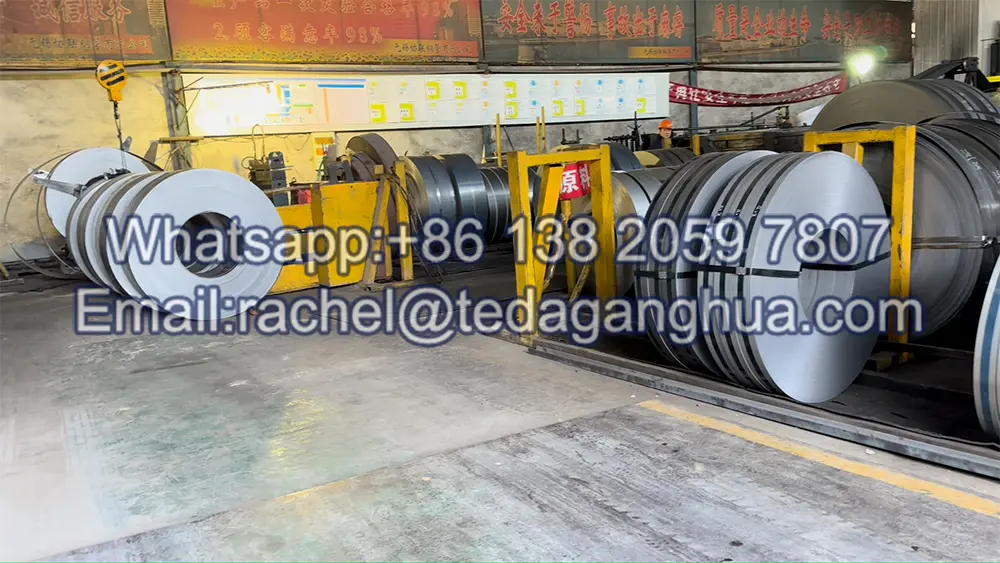
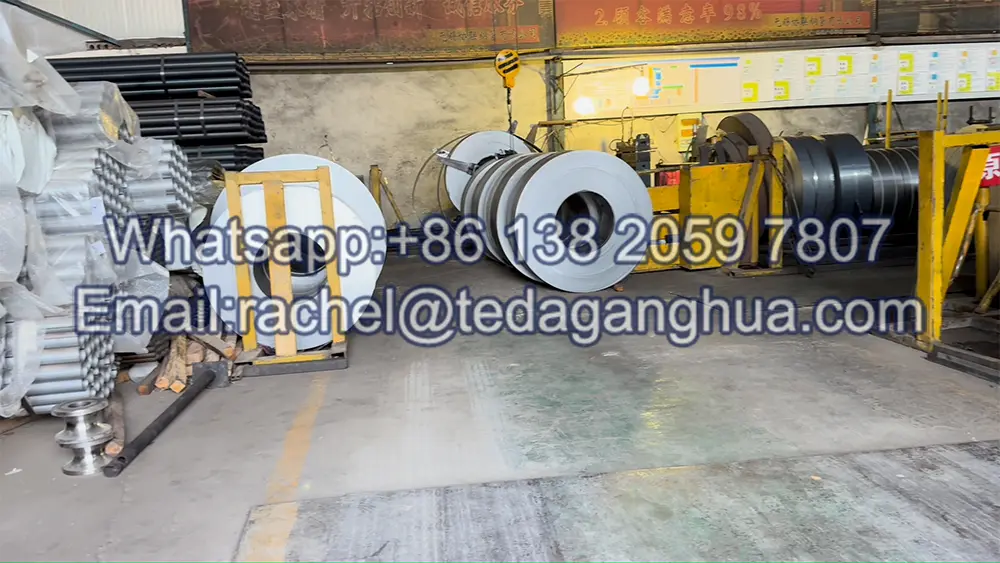
Type en acier aluminisé 1 is a carbon steel product coated with an aluminum-silicon alloy through a hot-dip process. The coating typically contains aluminum with approximately 5–11% silicon, which improves coating adhesion and enhances resistance to oxidation at elevated temperatures. Ce matériau est largement utilisé dans les systèmes d'échappement automobiles, équipement de chauffage industriel, and heat-resistant components.
Chemical Composition of the Coating
The coating composition plays a critical role in the performance of this material.
| Élément | Contenu typique (%) |
|---|---|
| Aluminium (Al) | 89–95 |
| Silicium (Et) | 5–11 |
| Fer (Fe) | Équilibre (from substrate interaction) |
The aluminum-rich coating forms a protective oxide layer on the surface, while silicon reduces brittleness and improves coating uniformity during production.
Propriétés mécaniques
The mechanical properties mainly depend on the steel substrate grade used beneath the coating.
| Propriété | Valeur typique |
| Résistance à la traction | 270–450 MPa |
| Limite d'élasticité | 140–300 MPa |
| Élongation | 20–38% |
| Dureté | 55–85 HRB |
These properties provide a good balance between formability, force, and durability for fabrication processes such as stamping, flexion, et soudure.
Caractéristiques de performance clés
Excellente résistance à la chaleur
The aluminum-rich surface can withstand continuous exposure to elevated temperatures. The protective aluminum oxide film reduces scaling and oxidation, making the material suitable for high-temperature service environments.
Résistance supérieure à la corrosion
Comparé à l'acier au carbone ordinaire, the aluminum-silicon coating provides significantly improved resistance to atmospheric corrosion. The coating acts as a barrier that protects the steel substrate from moisture and oxygen.
Bonne formabilité
Le revêtement reste fortement lié à la surface de l'acier pendant les opérations de formage. Les composants peuvent être roulés, courbé, timbré, et fabriqué sans dommages importants au revêtement lorsque des méthodes de traitement appropriées sont utilisées.
Réflectivité
La surface métallique brillante reflète efficacement la chaleur rayonnante, ce qui est bénéfique pour les boucliers thermiques, fours, fourneaux, et applications de gestion de la chaleur.
Applications courantes
Les applications typiques incluent:
- Tuyaux d'échappement et silencieux automobiles
- Boucliers thermiques
- Fours industriels
- Appareils à gaz
- Systèmes de chauffage et de ventilation
- Équipement de traitement thermique
- Matériel de séchage agricole
Comparaison avec l'acier galvanisé
| Propriété | Type en acier aluminisé 1 | Acier galvanisé |
| Revêtement principal | Aluminium-Silicium | Zinc |
| Résistance à la chaleur | Excellent | Modéré |
| Résistance à l'oxydation | Excellent | Bien |
| Réflectivité de la surface | Haut | Moyen |
| Service à haute température | Approprié | Limité |
| Résistance à la corrosion | Très bien | Très bien |