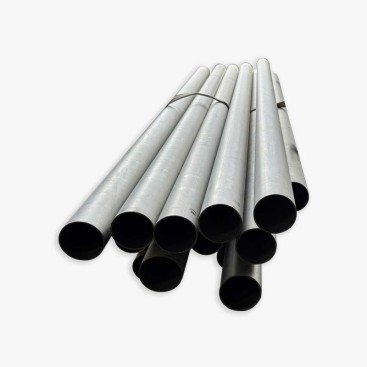
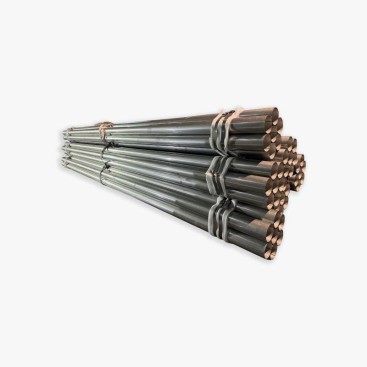
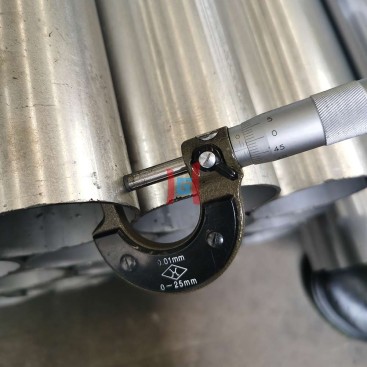
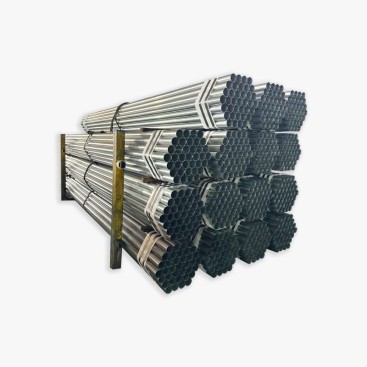
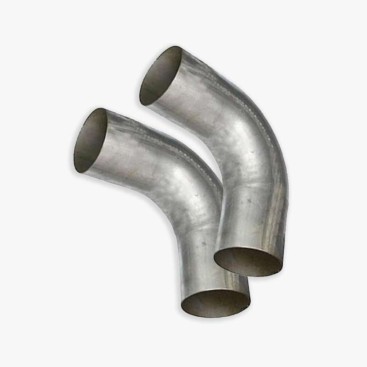
Tuyau d'échappement aluminisé ou inoxydable


- Description
Description
Aluminized vs Stainless Exhaust Pipe: Exterior Rust Resistance and Interior Heat Corrosion Comparison
Choosing the right exhaust pipe material is not only about corrosion resistance. An exhaust system experiences two completely different attack environments at the same time: external exposure from road salt, rain, and humidity, and internal exposure from high-temperature exhaust gas, moisture condensation, and acidic compounds.
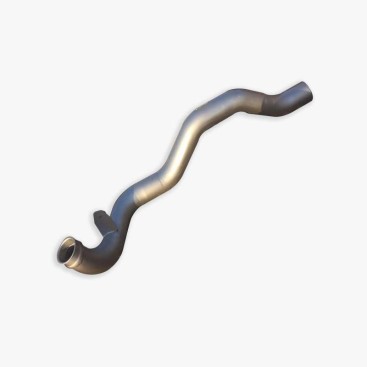
Aluminized exhaust pipe and stainless steel exhaust pipe are two widely used solutions. Aluminized steel focuses on providing strong heat oxidation resistance at a competitive cost, while stainless steel provides long-term corrosion resistance through its alloy structure.
The Real Corrosion Environment Inside an Exhaust System
Many exhaust failures do not start from only one direction. The outer and inner surfaces face different damage mechanisms.
| Area | Main Attack Factors | Common Failure Mode |
|---|---|---|
| Exterior Surface | Road salt, rainwater, humidité, boue | Surface corrosion and coating damage |
| Interior Surface | Condensed water, acidic exhaust gases, high temperature | Internal corrosion and wall thinning |
| Weld Areas | Heat affected zone and coating damage | Accelerated corrosion near joints |
How Aluminized Exhaust Pipes Protect Against Corrosion
Aluminized steel uses an aluminum-silicon coating bonded to a steel substrate. When exposed to heat, the aluminum surface forms a stable aluminum oxide layer that slows oxidation and protects the underlying steel.
For exhaust applications, this coating provides two important advantages:
- External protection against road moisture and salt corrosion.
- Internal protection against exhaust heat oxidation and condensation corrosion.
- Better heat resistance compared with conventional coated steel materials.
- Lower material cost compared with fully alloy stainless solutions.
Because of its balance between performance and cost, aluminized steel is widely used in exhaust systems where extreme corrosion conditions are not the primary concern.
Stainless Exhaust Pipe: Full Material Corrosion Protection
Stainless exhaust pipes rely on chromium alloy content to form a passive oxide layer. Unlike coated steel, corrosion protection comes from the material itself rather than from a surface coating.
Common stainless exhaust materials include 409, 304, et 316 notes.
| Matériel | Main Characteristics | Typical Application |
|---|---|---|
| 409 Acier inoxydable | Heat resistant ferritic stainless steel with good exhaust performance | OEM exhaust systems |
| 304 Acier inoxydable | Excellent corrosion resistance and appearance retention | Premium exhaust systems |
| 316 Acier inoxydable | Higher resistance to chloride environments | Marine and extreme environments |
Aluminized vs Stainless Exhaust Pipe Performance Comparison
| Performance Factor | Tuyau d'échappement en acier aluminisé | Stainless Exhaust Pipe |
|---|---|---|
| Corrosion Protection Method | Aluminum coating protection | Chromium passive oxide protection |
| External Salt Resistance | Good in normal environments | Excellent |
| Internal Condensation Resistance | Good with intact coating | Excellent |
| High Temperature Performance | Good oxidation resistance | Excellent depending on grade |
| Weight and Fabrication | Easy forming and welding | Requires stainless fabrication control |
Service Life Comparison Under Different Environments
Actual exhaust pipe life depends strongly on climate conditions, road treatment, driving habits, and maintenance.
| Operating Environment | Acier aluminisé | 304 Acier inoxydable |
|---|---|---|
| Dry Inland Area | Environ 5-8 années | 10 years or longer |
| Humid Southern Climate | Environ 3-6 années | 10 years or longer |
| Salt Road / Coastal Area | Shorter service interval | Preferred choice |
Installation Environment Determines Material Selection
The best exhaust pipe material depends on where the vehicle operates.
| Application Condition | Recommended Material |
|---|---|
| Coastal areas and heavy road salt environments | Stainless steel exhaust pipe |
| Normal city driving and inland areas | Aluminized exhaust pipe |
| High-performance or long-term ownership vehicles | Stainless steel solution |
Welding Difference Between Aluminized and Stainless Exhaust Pipes
Fabrication methods are another important difference.
Aluminized exhaust pipes require additional attention during welding. The aluminum coating near the weld area is damaged by heat and usually needs surface treatment and protective repair after welding.
Stainless exhaust pipes can be welded directly using suitable stainless welding processes. The protective property comes from the alloy itself, reducing the need for coating repair.
Why Choose Aluminized Exhaust Pipe?
For many automotive exhaust applications, aluminized steel provides a practical balance between durability and cost. It offers strong heat resistance and corrosion protection while avoiding the higher material cost of premium stainless steel systems.
When the vehicle operates in moderate climates and does not require extreme corrosion resistance, aluminized steel can deliver reliable performance throughout the expected service period.
Teda Ganghua Aluminized Steel Tube Solutions
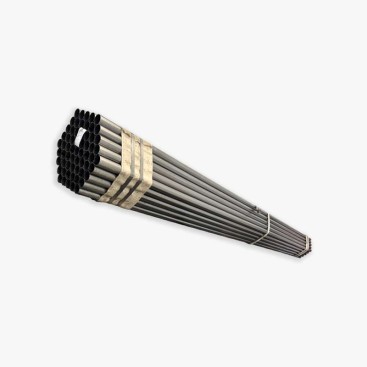
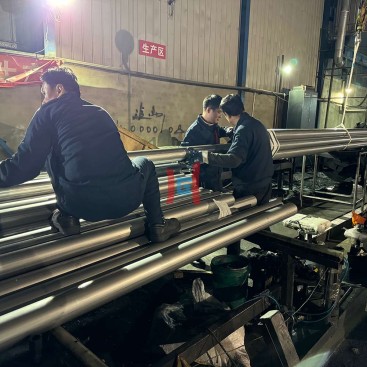
Teda Ganghua supplies aluminized steel tube solutions for automotive exhaust systems, équipement de chauffage industriel, et applications à haute température. The products are manufactured with controlled coating technology to improve oxidation resistance and corrosion protection in demanding environments.
For exhaust manufacturers and industrial users seeking reliable heat-resistant tubing solutions, Teda Ganghua provides tubes en acier aluminisé designed for long-term performance under thermal and corrosive conditions.
FAQ
1. Is aluminized steel better than stainless steel for exhaust pipes?
It depends on the application. Aluminized steel provides excellent value for normal exhaust conditions, while stainless steel offers longer life in severe corrosion environments.
2. How long does an aluminized exhaust pipe last?
Service life is usually around 3-8 years depending on climate, road salt exposure, and operating conditions.
3. Why is stainless exhaust pipe more expensive?
L'acier inoxydable contient des éléments d'alliage tels que le chrome et le nickel qui offrent une résistance à la corrosion dans toute la structure du matériau..
4. Les tuyaux d'échappement aluminisés peuvent-ils être soudés?
Oui. Cependant, les zones de revêtement endommagées à proximité des soudures doivent être réparées pour restaurer la protection contre la corrosion.
5. Quel matériau d'échappement est le meilleur pour les véhicules côtiers?
L'acier inoxydable est généralement préféré car les environnements côtiers contiennent des sels de chlorure qui accélèrent la corrosion..