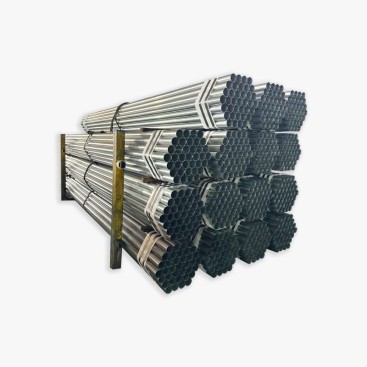
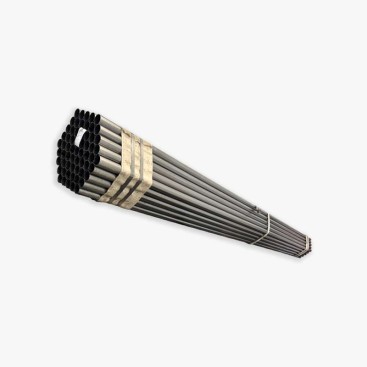
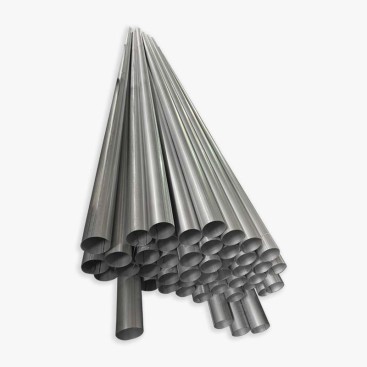
Tuyau en acier enduit d'aluminium à chaud


- Description
Description
Hot Dip Aluminium Coated Pipe: The Corrosion-Resistant Alternative to Galvanized
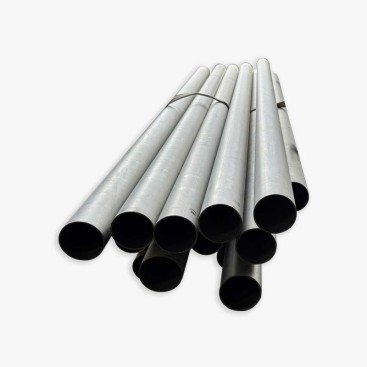
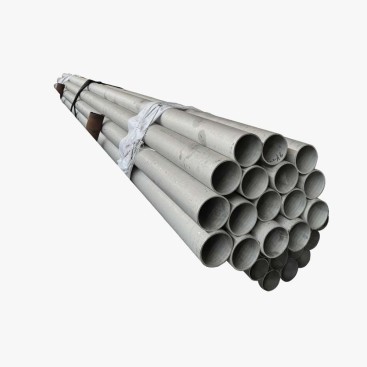
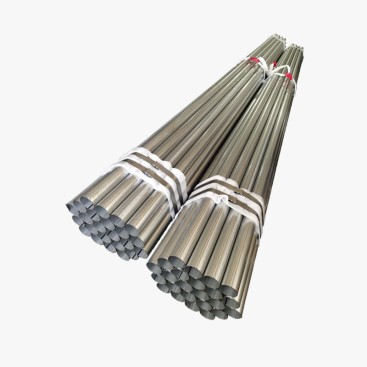
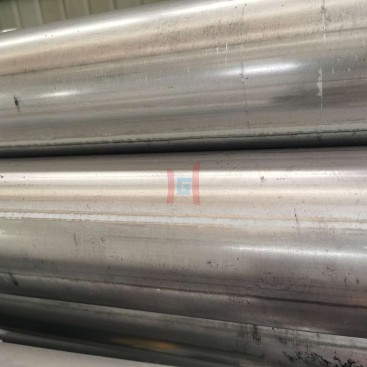
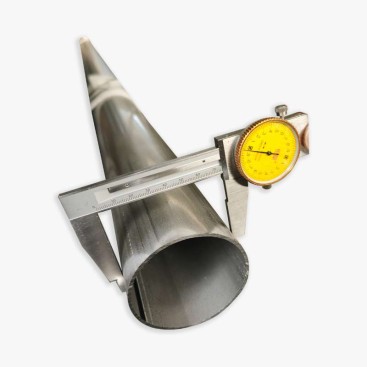
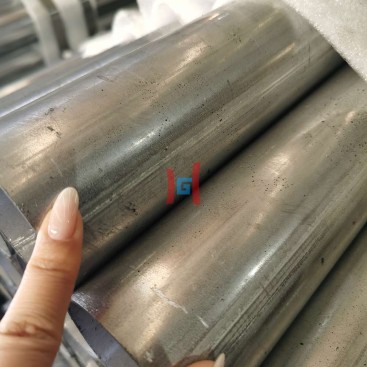
Hot dip aluminium coated steel pipe is a high-performance tubular product produced by immersing steel into an aluminium or aluminium-silicon alloy bath. It is widely used as a corrosion- and heat-resistant alternative to traditional galvanized steel pipes, especially in high-temperature and aggressive environments.
The key engineering debate in material selection is: aluminium coating vs zinc coating (galvanizing), especially under thermal and corrosive stress conditions.
1. Aluminium Coating vs Galvanized Steel: Core Performance Gap
| Performance Factor | Aluminium Coated Pipe | Galvanisé (Zinc) Tuyau |
|---|---|---|
| Résistance aux hautes températures | Excellent (up to ~600–800°C) | Pauvre (zinc layer degrades above ~200°C) |
| Résistance à l'oxydation | Forms stable Al₂O₃ protective film | Zinc oxide layer less stable at high heat |
| Salt Spray Corrosion Resistance | High durability in marine/industrial environments | Good in mild environments, weaker long-term |
| Coating Stability | Metallurgical bonding (diffusion layer) | Primarily sacrificial coating behavior |
The fundamental difference lies in aluminium forming a stable oxide barrier, while zinc acts mainly as a sacrificial protective layer.
2. High-Temperature Performance: Why Aluminium Wins
| Condition | Aluminium Coated Pipe | Tuyau galvanisé |
|---|---|---|
| 400–600°C Exposure | Stable performance, protective Al₂O₃ layer forms | Zinc layer rapidly oxidizes and fails |
| 600–800°C Exposure | Suitable for exhaust and furnace systems | Not recommended (coating breakdown) |
| Thermal Cycling | Good stability under repeated heating/cooling | Prone to cracking and coating degradation |
This makes aluminium coated steel the preferred solution for systèmes d'échappement, échangeurs de chaleur, and industrial furnace piping.
3. Salt Spray & Corrosion Resistance Comparison
| Test Condition | Aluminium Coated Pipe | Tuyau galvanisé |
|---|---|---|
| Neutral Salt Spray Test (NSS) | High resistance, slow corrosion progression | Moderate resistance, white rust formation occurs earlier |
| Marine Atmosphere | Stable oxide barrier reduces pitting corrosion | Zinc layer gradually consumed in chloride environment |
| Industrial Pollution (SO₂/NOx) | Good chemical stability | Faster degradation under acidic conditions |
In aggressive environments, aluminium coating provides a more stable long-term protective barrier.
4. Coating Mechanism Difference
| Aspect | Aluminium Coating | Revêtement de zinc |
|---|---|---|
| Protection Mechanism | Barrier protection via stable oxide layer (Al₂O₃) | Sacrificial corrosion (le zinc se corrode en premier) |
| Bonding Type | Metallurgical diffusion layer | Primarily surface adhesion |
| Service Life in Heat | Long-term stability | Shortened under elevated temperatures |
5. Application Scenarios
| Industrie | Application |
|---|---|
| Automobile | Systèmes d'échappement, catalytic converters, silencieux |
| Industrial Furnaces | Gazoducs à haute température |
| Systèmes CVC | Heat-resistant ventilation ducts |
| Energy Systems | Flue gas and heat recovery systems |
6. Pourquoi les acheteurs choisissent Teda Ganghua
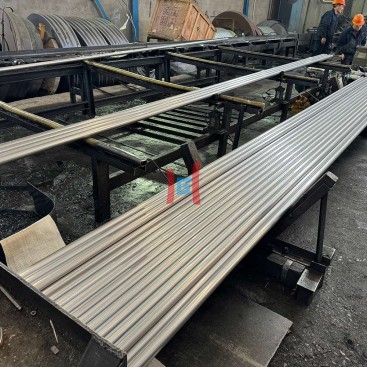
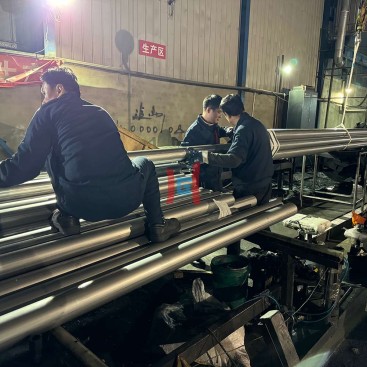
À Teda Ganghua, nous fournissons des tuyaux en acier revêtus d'aluminium à chaud avec des performances de revêtement Al-Si stables, contrôle constant de l'épaisseur, et résistance vérifiée aux hautes températures pour les applications industrielles.
Nous soutenons le traitement OEM, coupe, flexion, et emballages d'exportation pour les clients mondiaux d'ingénierie.
Découvrez nos produits en tubes d'acier aluminisés ici:
Produits en tubes d'acier aluminisés
Conclusion
Les tuyaux en acier revêtus d'aluminium par immersion à chaud surpassent les tuyaux galvanisés dans les environnements à haute température et corrosifs grâce à leur barrière d'oxyde stable et leur structure de liaison métallurgique.. Cela crée un écart de performance évident qui en fait le choix préféré pour les systèmes d'échappement et thermiques..