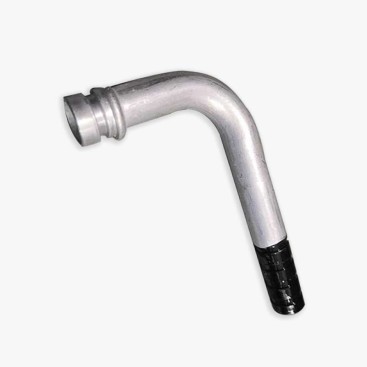
- Description
Description
Taper 1 Tuyau en acier aluminisé: Al-Si Coated — The Workhorse for Automotive Exhaust & Échangeurs de chaleur
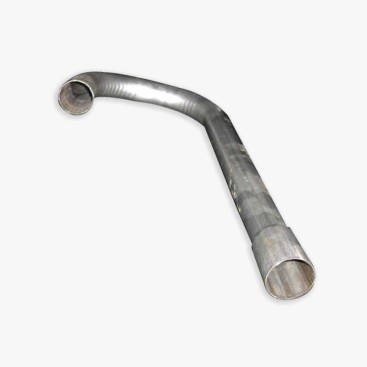
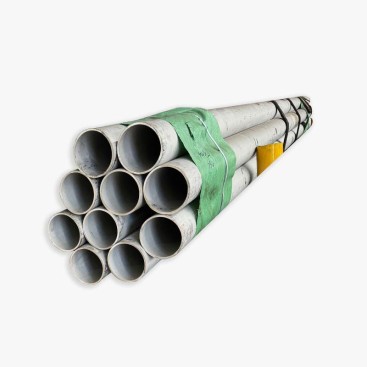
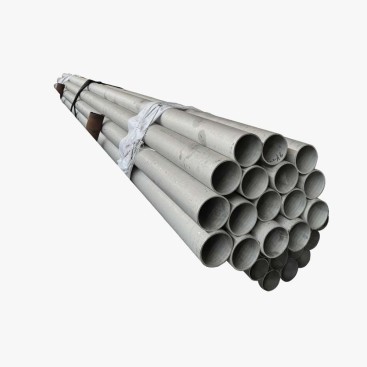
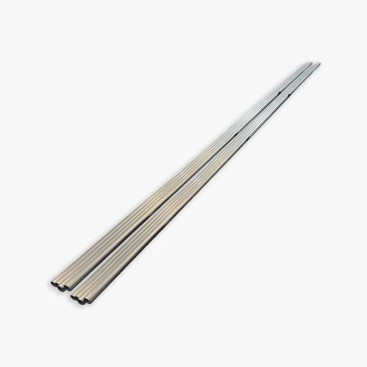
Taper 1 tuyau en acier aluminisé refers to a hot-dip coated steel pipe using an Aluminum–Silicon (Al-10%Si) revêtement en alliage. It is widely regarded as the “workhorse material” in automotive exhaust systems and heat exchanger applications due to its strong balance of résistance aux hautes températures, protection contre l'oxydation, et rentabilité.
Compared with pure aluminum coating systems, Taper 1 introduces silicon to stabilize the coating structure and significantly improve thermal fatigue resistance.
1. Taper 1 Composition du revêtement (Al-10%Si System)
| Élément | Contenu typique | Fonction |
|---|---|---|
| Aluminium (Al) | ~90% | Main oxidation-resistant matrix, forms Al₂O₃ protective film |
| Silicium (Et) | ~9–10% | Controls intermetallic growth and improves coating adhesion |
| Fer (Fe) | Couche de diffusion | Forms controlled Fe–Al intermetallic bonding layer |
This Al-Si system is specifically engineered for thermal stability and long service life under cyclic heating conditions.
2. Why Type 1 is the Automotive Industry Standard
| Performance Requirement | Taper 1 Avantage |
|---|---|
| Résistance aux hautes températures (jusqu'à ~800°C) | Stable Al₂O₃ protective oxide layer |
| Thermal cycling durability | Silicon reduces coating cracking under expansion/contraction |
| Résistance à l'oxydation | Dense, self-renewing oxide film |
| Cost efficiency | Lower cost than stainless steel alternatives |
3. Automotive OEM Exhaust System Requirements
| Requirement | Industry Expectation |
|---|---|
| Résistance à la chaleur | Continuous exposure to 600–800°C exhaust gas |
| Thermal fatigue test | Repeated heating/cooling cycles without coating failure |
| Résistance à la corrosion | Resistance to condensate, SOx, NOx, and road salt |
| Formabilité | Compatible with mandrel bending and hydroforming |
Taper 1 aluminized pipe is widely specified in OEM exhaust systems due to its validated performance under cyclic thermal stress testing.
4. Thermal Cycling & Fatigue Performance
| Test Condition | Taper 1 Behavior |
|---|---|
| Repeated heating (RT ↔ 800°C) | Stable oxide layer with minimal cracking |
| Long-term thermal exposure | Controlled intermetallic layer growth |
| Vibration + thermal stress | No significant coating delamination |
| Oxidation weight gain | Low and stable increase over time |
Silicon plays a key role in preventing brittle intermetallic growth, ensuring durability under cyclic stress conditions.
5. Taper 1 vs Alternative Materials
| Matériel | High-Temp Resistance | Coût | Application Fit |
|---|---|---|---|
| Taper 1 Al-Si Pipe | Excellent (jusqu'à ~800°C) | Moyen | Échappement automobile, échangeurs de chaleur |
| Tuyau galvanisé | Pauvre (≤250°C) | Faible | Low-temperature structural use |
| Tuyau en acier inoxydable | Excellent | Haut | High-end corrosive environments |
6. Key Industrial Applications
| Industrie | Application |
|---|---|
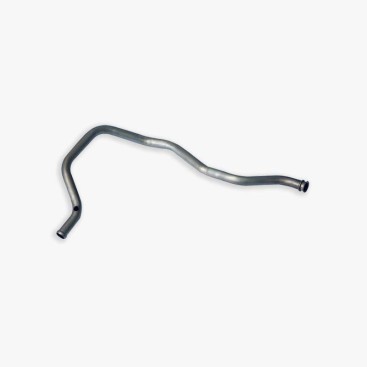
| Automobile | Tuyaux d'échappement, catalytic converter housings, résonateurs |
| Energy Systems | Échangeurs de chaleur, flue gas ducts |
| Chauffage Industriel | High-temperature ventilation pipelines |
| Machinerie | Thermal management tubing systems |
7. Pourquoi les acheteurs choisissent Teda Ganghua
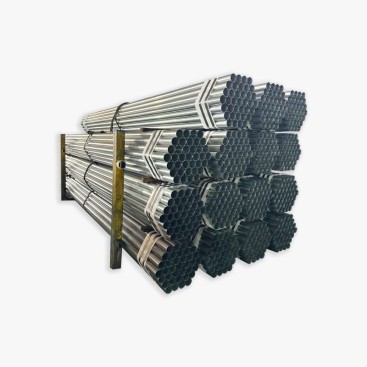
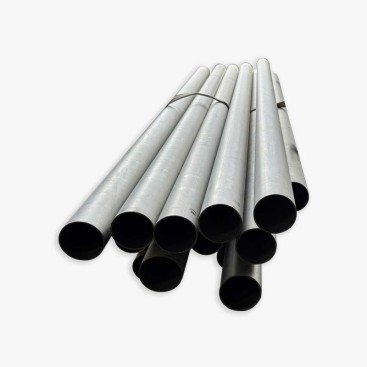
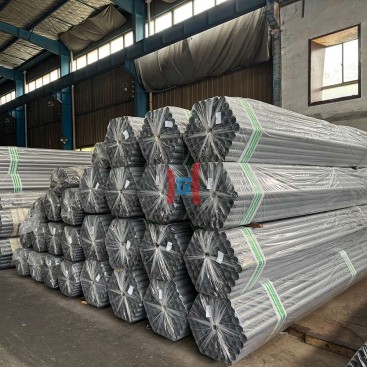
À Teda Ganghua, we supply Type 1 aluminized steel pipes with controlled Al-10%Si coating chemistry, stable intermetallic layer formation, et des performances de cycle thermique constantes pour les applications automobiles et industrielles.
Nous soutenons la découpe OEM, préparation au pliage, et des emballages d'exportation adaptés aux fabricants mondiaux de systèmes d'échappement.
Découvrez nos produits en tubes d'acier aluminisés ici:
Produits en tubes d'acier aluminisés
Conclusion
Taper 1 le tuyau en acier aluminisé est la référence industrielle pour les systèmes d'échappement et d'échangeur de chaleur à haute température. Son système de revêtement Al-Si offre une combinaison unique de résistance à l'oxydation, durabilité à la fatigue thermique, et rentabilité, ce qui en fait le choix préféré des équipementiers automobiles mondiaux.