Galvanized vs. Aluminum-Zinc Steel: Corrosion Resistance & Benefits
Selection of Galvanized and Aluminum-Zinc Steel Plates
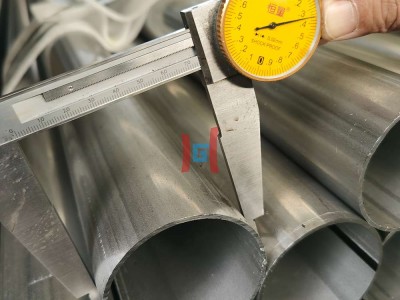
Steel plates are vulnerable to oxidation and rust in humid environments. To prevent this, a protective anti-corrosion layer is applied. Common methods include hot-dip galvanizing (Zn) and hot-dip aluminum-zinc alloy (Al-Zn). The aluminum-zinc alloy consists of 53% aluminum, 43.5% zinc, and 1.5% silicon (55% Al-Zn). According to studies, the anti-corrosion performance of 55% aluminum-zinc plating is four times better than that of a zinc coating of the same thickness, providing excellent protection.
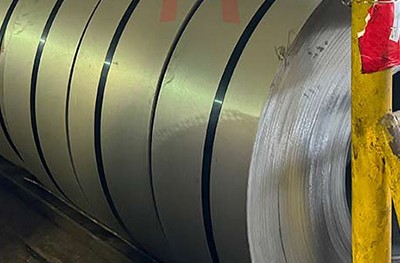
Aluminized steel, which is produced with a similar aluminum-zinc coating, offers even better corrosion resistance and heat protection, making it an excellent choice for various applications. The aluminized steel price can vary depending on factors such as material quality and thickness, but its superior performance often justifies the cost. An aluminized steel supplier can provide detailed information on the specific benefits and pricing of aluminized steel products.
International standards typically require an anti-corrosion coating of at least 350 grams per square meter for hot-dip galvanizing (Z35) or 185 grams per square meter for hot-dip aluminum-zinc plating (AZ185) for general corrugated steel plates. For building structures such as cold-rolled steel sections and floor slabs, the minimum galvanizing layer is 275 grams per square meter (Z27). In coastal areas, exposed components require a thicker anti-corrosion layer of 350 grams per square meter (Z35) to ensure enhanced corrosion resistance and longer service life.