Acciaio Alluminato Per Forno Tostapane


- Descrizione
Descrizione
Aluminized Steel for Toaster Ovens: Compact Appliance Material for Heating Chambers & Heat Control
Aluminized steel for toaster ovens is widely selected for compact kitchen appliances because it combines heat resistance, thermal reflection, protezione della corrosione, ed efficienza dei costi. In small electric ovens, the material must withstand repeated heating cycles while maintaining stable shape and surface quality.
Compared with stainless steel solutions, aluminized steel provides a more economical option for temperature ranges commonly found in toaster ovens. Its aluminum-silicon coating creates a protective oxide layer that improves oxidation resistance during heating.
Where Aluminized Steel Is Used in Toaster Ovens
| Componente | Main Function | Material Requirement |
|---|---|---|
| Heating Chamber | Heat reflection and oxidation resistance | Stable performance under repeated heating |
| Inner Wall Panels | Protect internal structure and improve cleaning | Good forming and surface quality |
| Baking Tray | Food contact and heat transfer | Flatness and corrosion resistance |
| Outer Housing | Structural protection | Appearance and mechanical strength |
Why Toaster Oven Manufacturers Choose Aluminized Steel
A toaster oven operates at moderate temperatures, usually around 200-250°C during normal baking. Tuttavia, areas near heating elements may experience higher local temperatures. The aluminum coating provides additional protection against oxidation in these hot zones.
- Heat reflection: The aluminum surface helps reflect radiant heat inside the chamber and supports more uniform heating.
- Resistenza all'ossidazione: The Al-Si coating forms a protective aluminum oxide layer during high-temperature exposure.
- Formabilità: Thin aluminized steel sheets can be stamped and bent into complex appliance shapes.
- Cost control: It offers a lower-cost alternative compared with full stainless steel structures.
Recommended Thickness for Toaster Oven Applications
| Applicazione | Typical Thickness | Metodo di elaborazione |
|---|---|---|
| Inner Chamber Panels | 0.5-0.8mm | Stamping and bending |
| Heating Area Components | 0.6-1.0mm | Precision forming |
| Structural Panels | 0.8-1.2mm | Cutting and assembly |
Aluminized Steel vs Stainless Steel in Toaster Ovens
| Confronto | Acciaio alluminato | 304 Acciaio inossidabile |
|---|---|---|
| Resistenza al calore | Suitable for normal toaster oven temperatures | Higher temperature capability |
| Material Cost | Più economico | Higher investment |
| Forming Performance | Good for appliance stamping | Requires stronger forming control |
| Vantaggio principale | Cost-performance balance | Premium corrosion resistance |
Surface Protection for Appliance Production
During appliance manufacturing, surface appearance is an important consideration. Aluminized steel sheets can be supplied with protective films to reduce scratches during cutting, timbratura, trasporto, and assembly.
For visible appliance components, manufacturers can combine aluminized steel with additional coating processes to achieve better appearance and durability.
Manufacturing Considerations for Toaster Oven Panels
The compact structure of toaster ovens requires materials that support efficient mass production. Aluminized steel performs well in common appliance manufacturing processes:
- Progressive stamping for inner panels
- Bending for chamber structures
- Punching for ventilation openings
- Laser cutting for customized designs
- Assembly welding with proper coating protection
How to Select Aluminized Steel for Toaster Oven Production
When purchasing aluminized steel for appliance manufacturing, buyers should check:
- Base steel grade and thickness tolerance
- Aluminum coating quality and uniformity
- Surface condition for stamping operations
- Flatness requirements after forming
- Compatibilità con linee di produzione di elettrodomestici
Fornitura di acciaio alluminato Teda Ganghua per applicazioni di elettrodomestici
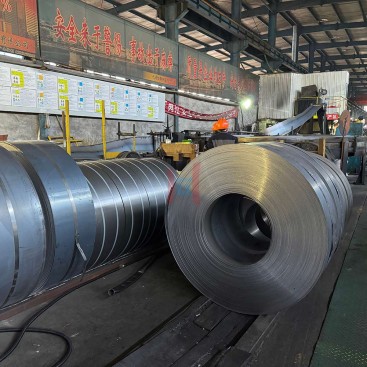
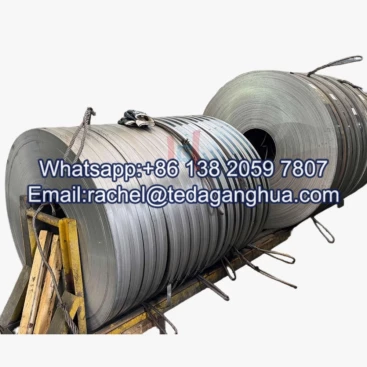
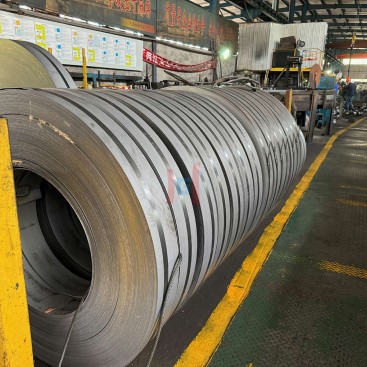
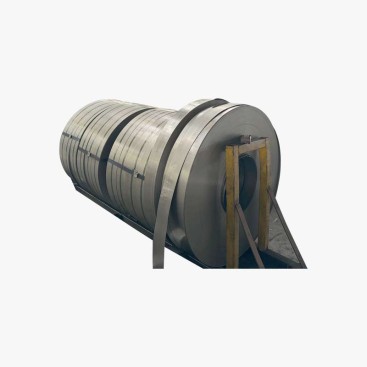
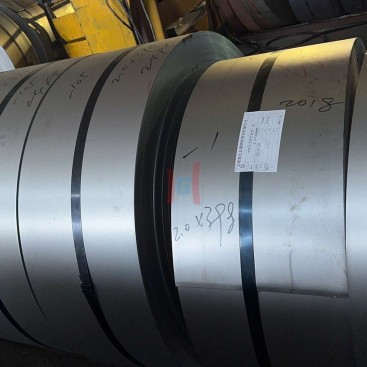
Forniture Teda Ganghua bobina in acciaio alluminato soluzioni per i produttori di forni tostapane, produttori di elettrodomestici da cucina, e aziende di lavorazione dei metalli. Con prestazioni di rivestimento stabili, specifiche personalizzate, e supporto all'elaborazione, Teda Ganghua aiuta i clienti a ottenere materiali affidabili per le camere di riscaldamento, vassoi, e componenti di elettrodomestici.
Per applicazioni in forni compatti, la selezione della specifica corretta dell'acciaio alluminato migliora l'efficienza produttiva, prestazione termica, e affidabilità del prodotto a lungo termine.