Prezzo del tubo in acciaio alluminato al metro
- Descrizione
Descrizione
Comparing aluminized steel pipe price per meter requires more than checking the quoted number. A lower price per meter may reflect a thinner wall, a different outside diameter, a lighter coating specification, or fewer included processing services. To compare quotations accurately, buyers must first align the pipe dimensions and coating requirements, then convert weight-based prices into a consistent per-meter cost.
The key calculation is the theoretical or verified weight per meter. Once the weight basis is established, a price quoted per tonne or kilogram can be converted into a meter-based figure. Taglio, end finishing, confezione, ispezione, and delivery terms must then be checked separately to avoid comparing quotations with different scopes.
1. When Is Per-Meter Pricing a Valid Comparison?
A per-meter quotation is meaningful only when the products being compared have the same essential specifications. Three variables should be confirmed before comparing prices: pipe size, spessore della parete, and coating grade or requirement.
| Comparison item | What to confirm | Why it matters |
|---|---|---|
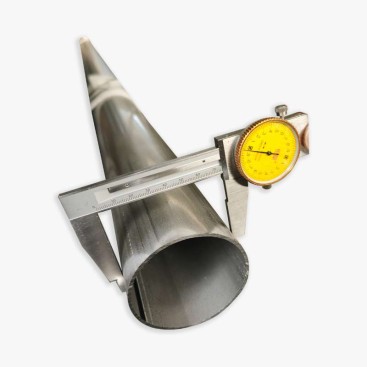
| Outside diameter (DI) | Exact nominal or measured OD in mm or inches | Diameter affects material consumption and dimensional compatibility. |
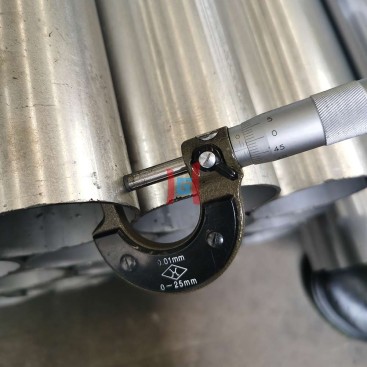
| Spessore della parete | Specified thickness and applicable tolerance | A thicker wall generally increases the weight and material cost per meter. |
| Coating requirement | Tipo di rivestimento, grade, mass or thickness requirement, and test basis | Different coating requirements may change cost and service performance. |
| Pipe construction | Welded or seamless, grado del materiale, and applicable product standard | Different manufacturing routes and standards may result in different quotations. |
| Supply scope | Standard lengths, taglio, end preparation, packing, and delivery | An apparently lower base price may exclude services included in another offer. |
Do not compare two quotations simply because both use the same nominal pipe size. Confirm whether the stated size refers to actual outside diameter or a nominal pipe designation. Nominal pipe size and tube outside diameter are not always interchangeable.
2. The Weight Conversion Formula Behind Per-Meter Pricing
Weight is the conversion point between a weight-based quotation and a meter-based quotation. If the supplier quotes by tonne or kilogram, the buyer needs a reliable weight-per-meter figure for the exact specification.
When the quotation is based on weight:
Price per meter = Price per kilogram × Weight per meter
When the quotation is based on length:
Price per kilogram = Price per meter ÷ Weight per meter
For a quotation per tonne:
Price per meter = (Price per tonne ÷ 1,000) × Weight per meter in kg
Use consistent units throughout the calculation. If the weight is expressed in kilograms per meter, the price must be converted to a price per kilogram before multiplying. For a price quoted per tonne, divide the tonne-based rate by 1,000 to obtain the equivalent rate per kilogram.
The weight-per-meter value should come from a suitable calculation or the supplier’s dimensional weight table. The calculation method must match the product construction and applicable specification. For coated pipe, clarify whether the quoted weight is theoretical, measured, or based on a defined delivery-weight convention. Do not assume every supplier uses the same basis.
3. Why Diameter and Wall Thickness Change the Price per Meter
For a pipe with the same outside diameter, increasing wall thickness generally increases the amount of steel used in each meter. If the quotation is based on weight, a heavier pipe will normally have a higher price per meter even when the unit price per kilogram remains unchanged.
Increasing the outside diameter can also increase material consumption per meter, depending on the wall thickness and construction. This is why a quotation for one size cannot be used as a reliable price reference for another size without recalculating the weight.
| Specification change | Likely effect on weight per meter | Pricing implication |
|---|---|---|
| Same OD, thicker wall | Increases | Per-meter price generally rises under the same weight-based rate. |
| Same OD, thinner wall | Decreases | Per-meter price may fall, but pressure, forza, and service requirements must still be met. |
| Larger OD, comparable wall thickness | Generally increases | Recalculate the weight rather than applying the previous size’s meter price. |
| Different coating requirement | Depends on the coating and weight convention | Check the coating specification and whether coating is included in the quoted weight and price. |
Weight conversion is a pricing tool, not a substitute for technical qualification. A lower-weight pipe is not automatically an equivalent alternative. Verify the required dimensions, norme applicabili, design loads, ambiente operativo, and coating performance before approving a substitution.
4. Check Whether Processing and Packing Are Included
Two suppliers may quote the same pipe specification but include different levels of processing. A fair comparison should separate the basic pipe price from any additional service costs.
- Taglio: Confirm whether the price covers standard mill lengths or cut-to-length pieces. Shorter pieces may create additional handling, taglio, and material-yield costs.
- End preparation: Clarify whether plain ends, beveling, threading, deburring, or other specified end treatments are included.
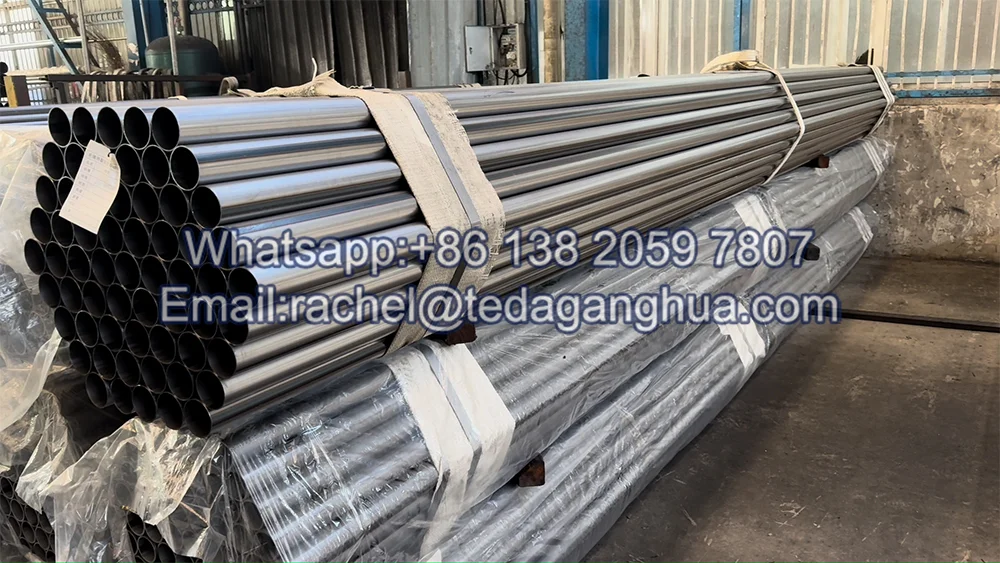
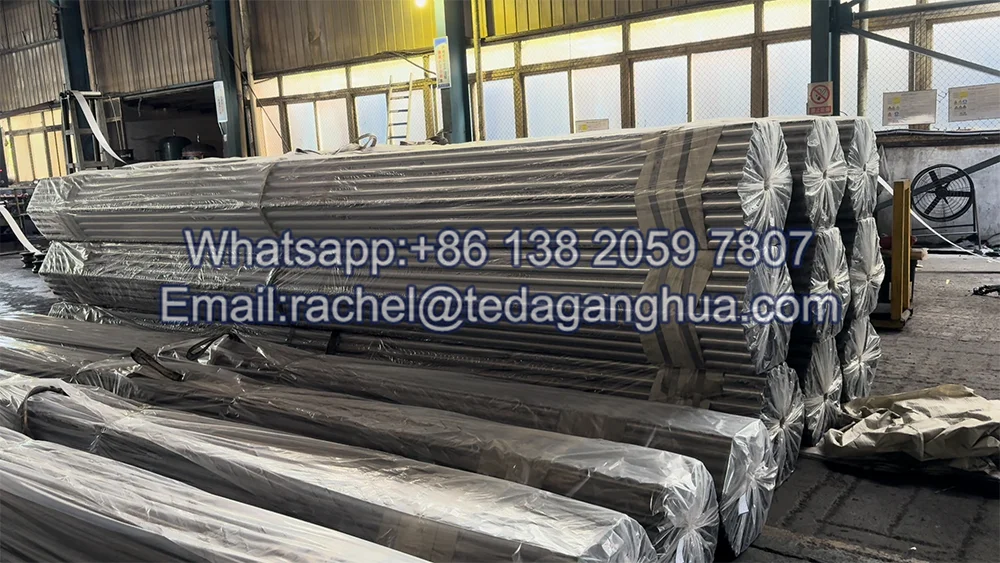
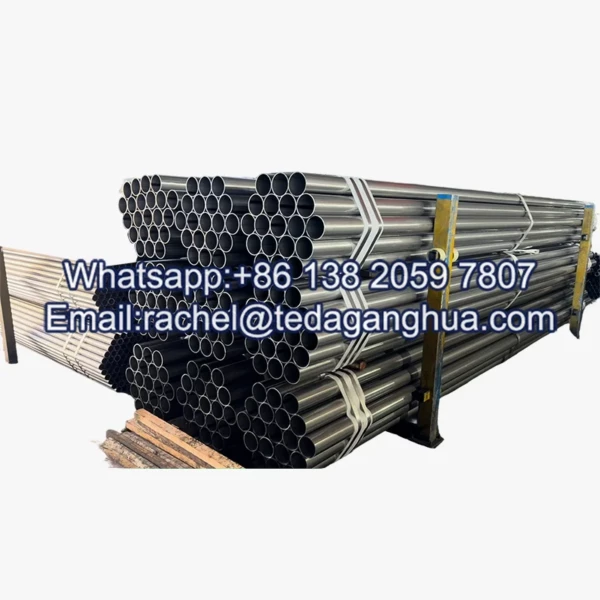
- Packaging: Confirm bundle arrangement, protective materials, labeling, moisture protection, and any export-packing requirements.
- Inspection and documents: Check the agreed dimensional checks, coating verification, material documentation, and inspection reports.
- Delivery: Establish whether the quotation is ex-works, delivered to a named destination, or based on another agreed trade term. Freight and destination charges may be separate.
These items should be recorded explicitly rather than treated as minor details. When a supplier quotes a basic pipe price and another offers cut, inspected, and export-packed products, comparing only the headline rate can produce a misleading result.
5. Per-Meter Quotation Comparison Template
Use the following template to bring competing offers onto the same specification and pricing basis. Enter the supplier’s actual figures; no conversion should be made until the dimensions, weight basis, currency, and included services have been confirmed.
| Articolo | Supplier A | Supplier B | Comparison check |
|---|---|---|---|
| OD e spessore della parete | Enter specification | Enter specification | Must match |
| Coating grade or requirement | Enter requirement | Enter requirement | Confirm equivalent basis |
| Quoted unit | Per meter / kg / tonne | Per meter / kg / tonne | Record original unit |
| Peso al metro | Enter confirmed value | Enter confirmed value | Use a consistent method |
| Converted pipe price per meter | Calculate | Calculate | Use the same currency and tax basis |
| Cutting and end processing | Included / excluded | Included / excluded | Normalize service scope |
| Packaging and delivery | Enter terms | Enter terms | Add applicable extra costs |
| Final comparable cost per meter | Calculate after adjustments | Calculate after adjustments | Compare like for like |
For a consistent comparison, first convert the base material quotation to a common currency and per-meter unit. Then add applicable cutting, end-processing, confezione, ispezione, and delivery costs using the same scope for both suppliers. If the offers use different tax or delivery terms, adjust those separately and document the assumptions.
6. What Buyers Should Send for an Accurate Quote
To obtain a useful per-meter quotation, provide the exact outside diameter, spessore della parete, required length, material and coating specification, norma del prodotto, quantità, and destination. State whether the order requires fixed cut lengths, special end preparation, protective packaging, or inspection documentation.
Teda Ganghua supports procurement teams comparing tubi in acciaio alluminato against defined dimensional and coating requirements. Sharing the complete specification allows the quotation to be assessed on a consistent basis, including weight conversion and the processing scope, rather than on a headline price alone.
Domande frequenti
How do I convert a price per tonne into a price per meter?
Divide the price per tonne by 1,000 to obtain the price per kilogram, then multiply it by the confirmed weight per meter. Ensure that the weight and price refer to compatible product and delivery-weight conventions.
Why can two pipes with the same outside diameter have different prices per meter?
Spessore della parete, grado del materiale, requisiti di rivestimento, metodo di produzione, tolleranze, and processing scope can differ. A thicker wall usually increases weight per meter and therefore increases the meter price under the same weight-based rate.
Can I compare a price per meter directly with a price per kilogram?
Not directly. You need a reliable weight-per-meter value for the exact pipe specification. Convert both quotations to the same unit before comparing them.
Does a per-meter quotation always include cutting and packaging?
NO. These services may be included, charged separately, or offered under different conditions. Confirm cutting lengths, end treatment, confezione, ispezione, and delivery terms in writing.
What information is essential for a reliable quotation?
Provide outside diameter, spessore della parete, grado del materiale, requisito del rivestimento, norma applicabile, order quantity, required lengths, processing details, requisiti di imballaggio, and destination. These details help suppliers calculate a comparable price per meter.