- Descrizione
Descrizione
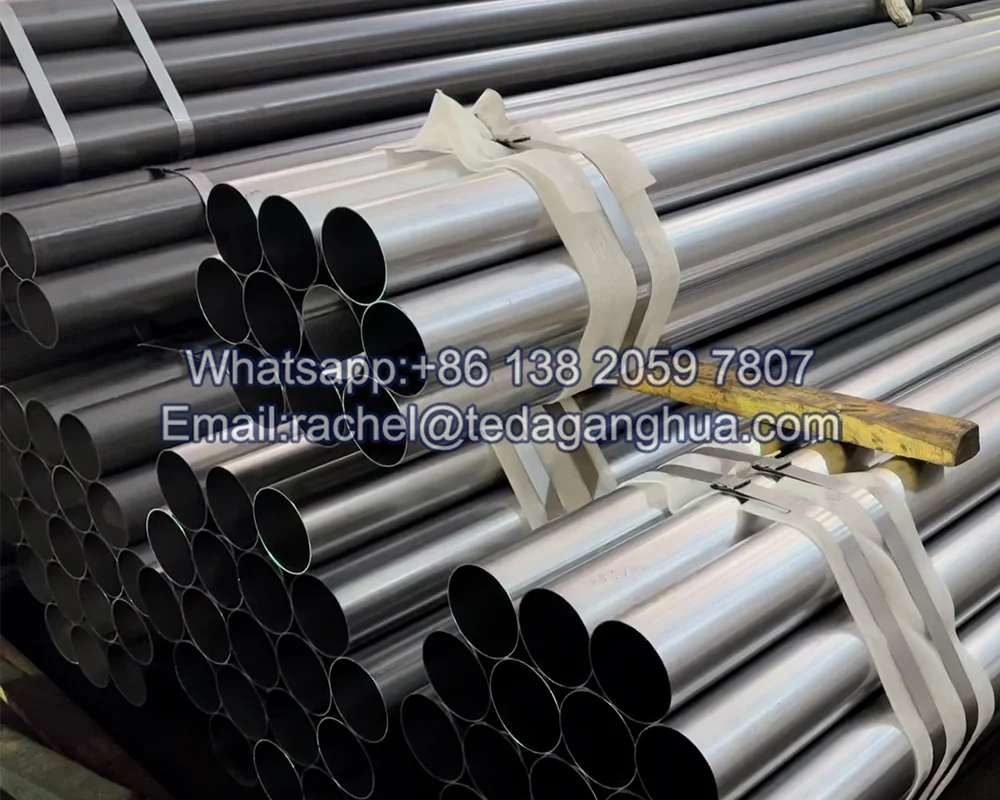
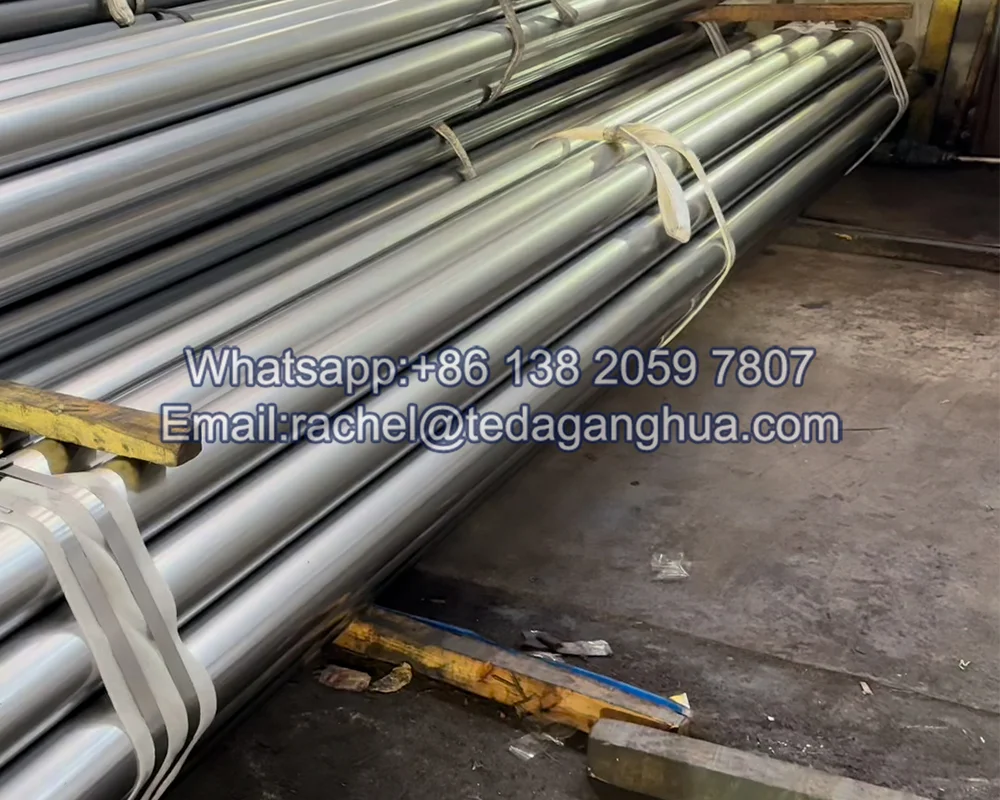
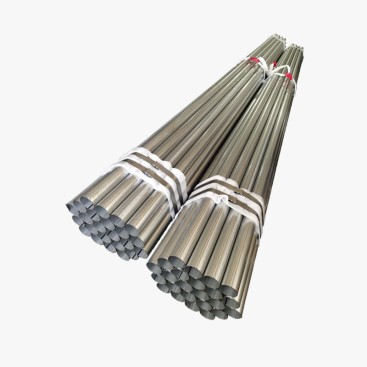
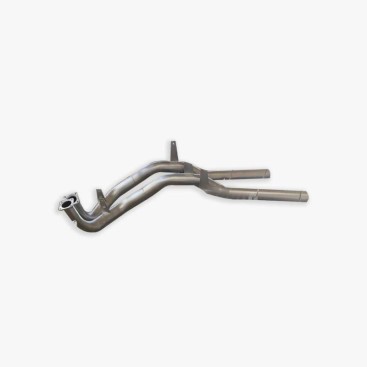
When sourcing an aluminized steel tube exhaust, buyers often focus first on the steel grade, condizione del rivestimento, and material dimensions. Tuttavia, an exhaust tube is not simply a straight coated steel tube. It must usually pass through several forming and fabrication operations before it can fit the vehicle exhaust system. Piegatura, end expansion, end reduction, saldatura, and three-dimensional assembly all influence the final product. Perciò, the most important purchasing question is not only what material is used, but also how much processing is required to produce the finished exhaust component.
Why Exhaust Tube Manufacturing Starts With Shape
An exhaust system is designed around a specific installation space and connection structure. Its tubes may need to pass around vehicle components, connect to mufflers, align with flanges, and maintain the required clearance during assembly. These requirements make dimensional accuracy and forming capability essential.
Aluminized steel provides a coated steel surface for exhaust-related applications, but the coating must also be considered during downstream processing. Mechanical deformation can affect coating integrity, particularly around heavily formed areas. Welding introduces another challenge because the original coating is locally affected in the weld zone.
Four Manufacturing Processes That Determine Exhaust Tube Quality
A typical exhaust tube may involve four important manufacturing stages. Each stage introduces different technical challenges and requires separate attention when preparing a purchasing specification.
| Processo di produzione | Main Challenge | Related Technical Topic |
|---|---|---|
| Tube Bending | Limited coating elongation during deformation and possible surface damage | #17 – Bending performance |
| End Expansion and Reduction | Local deformation and coating stress around formed ends | #18 E #19 – End forming |
| Saldatura | Coating disruption in the weld zone, including flange and muffler connections | #16 – Welding considerations |
| Three-Dimensional Assembly | Springback, dimensional deviations, and fixture alignment | #20 – Assembly accuracy |
1. Tube Bending: Controlling Deformation Without Damaging the Surface
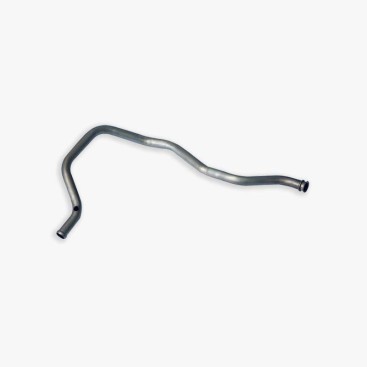
Bending is one of the first major operations in exhaust tube production. A straight tube must be transformed into a curved section that follows the vehicle’s exhaust routing. During this operation, the outer wall experiences tensile deformation while the inner wall undergoes compression.
The coating must accommodate these changes without unacceptable cracking, peeling, or surface damage. The actual result depends on the base material, coating characteristics, bending radius, tooling condition, and forming method. Excessive deformation can also cause tube ovality, wrinkles, or local wall thinning.
For procurement, buyers should provide the bending drawings or specify the required bend geometry. A material that performs well in a straight condition may not automatically deliver the same surface quality after tight-radius forming.
2. End Expansion and Reduction: Why Connection Geometry Matters
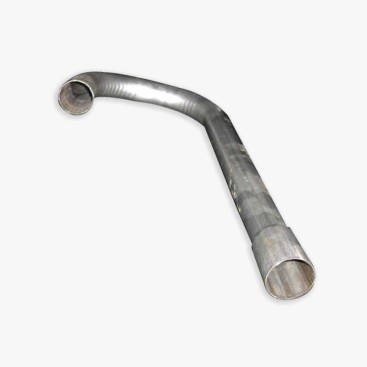
Exhaust components frequently require expanded or reduced ends to connect separate tube sections. An expanded end may allow one tube to fit over another, while a reduced end can provide a smaller connection diameter for a specific assembly design.
These operations concentrate deformation around the tube end. The material is stretched or compressed locally, which can place additional stress on the aluminized surface. Uneven tooling, excessive deformation, or unsuitable forming conditions may lead to surface defects or dimensional inconsistency.
- Whether the connection requires expansion or reduction
- The finished end geometry and dimensional tolerances
- Whether the formed area must maintain a specified surface appearance
- Whether additional trimming or finishing is required after forming
3. Saldatura: Managing the Coating-Affected Zone
Welding is commonly required when connecting exhaust tubes to flanges, muffler interfaces, parentesi, and other fabricated components. Unlike bending or end forming, welding creates a localized thermal process that changes the original surface condition around the joint.
The aluminized coating may be damaged or altered in the welding area. The welding procedure should therefore account for the base metal, condizione del rivestimento, joint design, and required post-weld treatment. Appropriate ventilation and fume-control measures are also necessary when welding coated steel.
For buyers, it is important to distinguish between the supplied tube and the finished welded assembly. If the supplier is responsible for welding, the RFQ should specify weld locations, joint dimensions, requisiti di ispezione, and the required condition of the affected surface.
4. Three-Dimensional Assembly: Springback and Fixture Accuracy
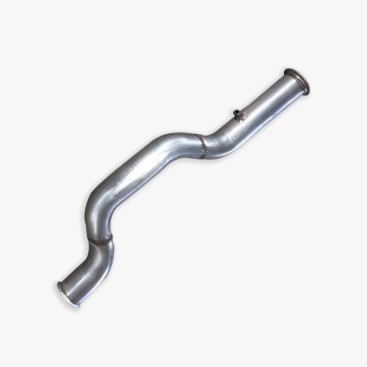
A finished exhaust system rarely consists of a single straight section. Multiple bends, connection points, and supporting brackets must work together within a limited installation space. Even when individual sections meet their dimensional requirements, small deviations can accumulate during final assembly.
Springback is particularly important in tube bending. After the forming force is released, the material may partially return toward its original shape. The final bend angle and position can therefore differ from the forming tool geometry.
Manufacturers commonly use dedicated fixtures, checking gauges, and assembly inspections to control these deviations. Buyers should provide complete drawings and identify critical connection positions rather than evaluating each straight section independently.
Why Fabrication Requirements Affect the Final Quotation
Two exhaust tube orders may use similar base materials and coating specifications but require very different manufacturing work. One order may involve straight cut-to-length sections, while another may require several bends, expanded connections, welded flanges, and a dedicated assembly fixture.
Consequently, quotation differences are often driven less by the raw material itself and more by the number and complexity of forming operations. The number of bends and formed ends, together with welding and inspection requirements, can significantly change the manufacturing workload.
| Order Requirement | Manufacturing Impact | Information to Provide |
|---|---|---|
| Straight tube sections | Cutting and dimensional control | Length and quantity |
| Multiple bends | Forming operations and springback control | Bending drawing and critical dimensions |
| Expanded or reduced ends | Additional end-forming operations | Connection dimensions and tolerances |
| Welded connections | Joint preparation, saldatura, e ispezione | Weld positions and joint details |
| Complete exhaust assembly | Fixture development and dimensional verification | 3D drawings and assembly requirements |
This is why an RFQ should include more than a material description. Providing the number of bends, expanded ends, reduced ends, welded connections, and finished components gives suppliers a clearer basis for evaluating the manufacturing scope.
How Teda Ganghua Supports Exhaust Tube Material Procurement
Teda Ganghua metallo, a steel stockist based in Tianjin TEDA, supports industrial customers with steel material sourcing, specification coordination, and export services. For exhaust-related projects, choosing the right starting material requires attention to both the steel specification and the subsequent fabrication process.
Customers looking for tubi in acciaio alluminato can discuss their material requirements, intended forming operations, and delivery specifications with our team. We can help coordinate material documentation, inspection arrangements, and supply requirements based on the project scope.
For customized exhaust applications, buyers are encouraged to provide product drawings, connection details, and information about downstream processing. Teda Ganghua can use these details to help clarify the required material condition and coordinate a more complete procurement specification. Material test certificates and third-party inspection arrangements can also be discussed according to the agreed order requirements.
Domande frequenti
1. Why is tube bending important for exhaust manufacturing?
Bending determines how the tube follows the vehicle’s exhaust routing and fits within the available installation space. It also affects wall deformation, condizione della superficie, precisione dimensionale, and final assembly alignment.
2. Can aluminized steel tubes be expanded or reduced at the ends?
End expansion and reduction can be used for connection purposes. Tuttavia, the forming method and material condition should be evaluated to control local deformation and avoid unacceptable coating damage.
3. Does welding affect the aluminized coating?
SÌ. Welding can damage or alter the coating near the joint because of localized heat. The welding procedure and any required post-weld surface treatment should be defined according to the application.
4. Why do two similar exhaust tube orders have different manufacturing requirements?
The difference may come from the number of bends, end-forming operations, welded connections, tolleranze dimensionali, and assembly fixtures. Similar raw materials do not necessarily mean similar finished-product workloads.
5. What should buyers provide when requesting an exhaust tube quotation?
Buyers should provide material requirements, product drawings, dimensioni, bend locations, end-forming details, requisiti di saldatura, order quantity, and inspection expectations. Complete information helps suppliers evaluate both material suitability and fabrication complexity.