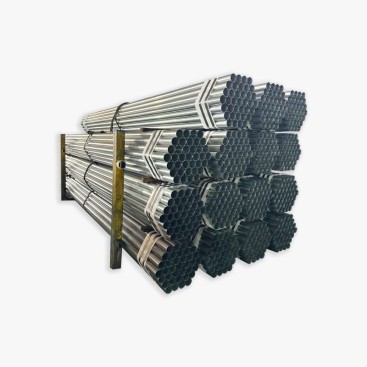
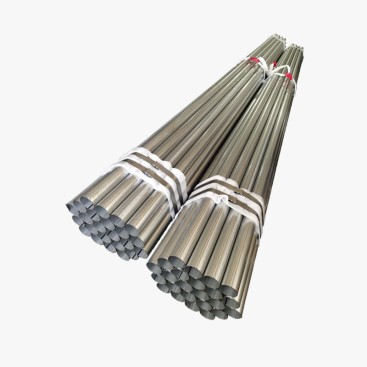
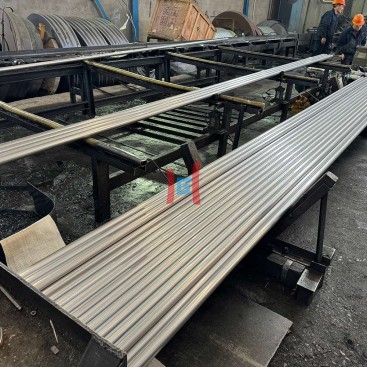
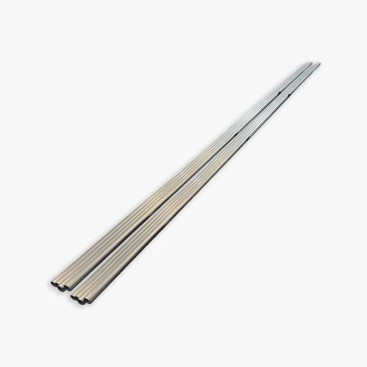
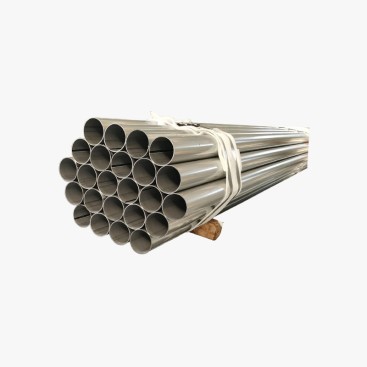
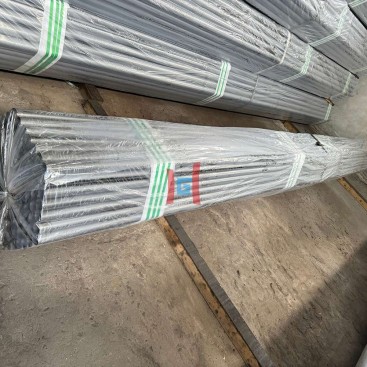
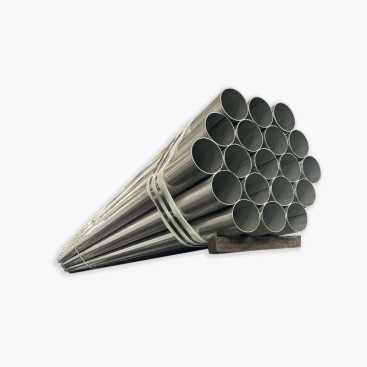
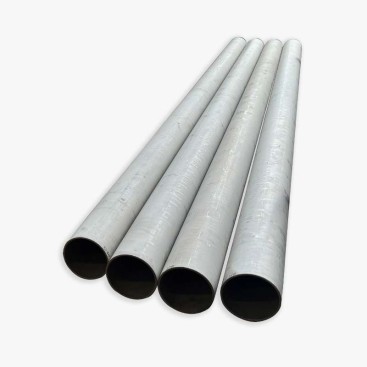
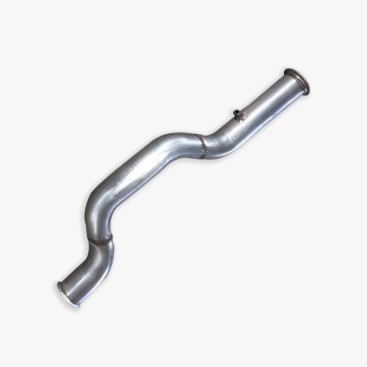
Tipo 1 Tubo in acciaio alluminato


- Descrizione
Descrizione
Tipo 1 Tubo in acciaio alluminato: Al-Si Coated — The Workhorse for Automotive Exhaust & Scambiatori di calore
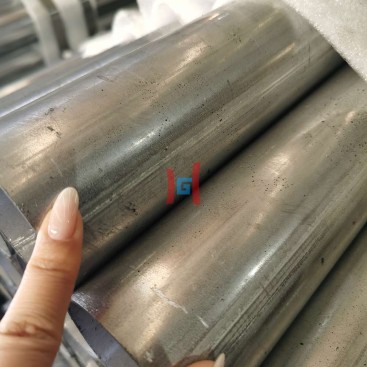
Tipo 1 tubo in acciaio alluminato refers to a hot-dip coated steel pipe using an Aluminum–Silicon (Al-10%Si) rivestimento in lega. It is widely regarded as the “workhorse material” in automotive exhaust systems and heat exchanger applications due to its strong balance of resistenza alle alte temperature, protezione dall'ossidazione, ed efficienza dei costi.
Compared with pure aluminum coating systems, Tipo 1 introduces silicon to stabilize the coating structure and significantly improve thermal fatigue resistance.
1. Tipo 1 Composizione del rivestimento (Al-10%Si System)
| Elemento | Contenuto tipico | Funzione |
|---|---|---|
| Alluminio (Al) | ~90% | Main oxidation-resistant matrix, forms Al₂O₃ protective film |
| Silicio (E) | ~9–10% | Controls intermetallic growth and improves coating adhesion |
| Ferro (Fe) | Strato di diffusione | Forms controlled Fe–Al intermetallic bonding layer |
This Al-Si system is specifically engineered for thermal stability and long service life under cyclic heating conditions.
2. Why Type 1 is the Automotive Industry Standard
| Requisito prestazionale | Tipo 1 Vantaggio |
|---|---|
| Resistenza alle alte temperature (fino a ~800°C) | Stable Al₂O₃ protective oxide layer |
| Thermal cycling durability | Silicon reduces coating cracking under expansion/contraction |
| Resistenza all'ossidazione | Dense, self-renewing oxide film |
| Cost efficiency | Lower cost than stainless steel alternatives |
3. Automotive OEM Exhaust System Requirements
| Requirement | Industry Expectation |
|---|---|
| Resistenza al calore | Continuous exposure to 600–800°C exhaust gas |
| Thermal fatigue test | Repeated heating/cooling cycles without coating failure |
| Resistenza alla corrosione | Resistance to condensate, SOx, NOx, and road salt |
| Formabilità | Compatible with mandrel bending and hydroforming |
Tipo 1 aluminized pipe is widely specified in OEM exhaust systems due to its validated performance under cyclic thermal stress testing.
4. Thermal Cycling & Fatigue Performance
| Test Condition | Tipo 1 Behavior |
|---|---|
| Repeated heating (RT ↔ 800°C) | Stable oxide layer with minimal cracking |
| Long-term thermal exposure | Controlled intermetallic layer growth |
| Vibration + thermal stress | No significant coating delamination |
| Oxidation weight gain | Low and stable increase over time |
Silicon plays a key role in preventing brittle intermetallic growth, ensuring durability under cyclic stress conditions.
5. Tipo 1 vs Alternative Materials
| Materiale | High-Temp Resistance | Costo | Application Fit |
|---|---|---|---|
| Tipo 1 Al-Si Pipe | Eccellente (fino a ~800°C) | Medio | Scarico automobilistico, scambiatori di calore |
| Tubo zincato | Povero (≤250°C) | Basso | Low-temperature structural use |
| Tubo in acciaio inossidabile | Eccellente | Alto | High-end corrosive environments |
6. Key Industrial Applications
| Industria | Applicazione |
|---|---|
| Automobilistico | Tubi di scarico, catalytic converter housings, risonatori |
| Energy Systems | Scambiatori di calore, flue gas ducts |
| Riscaldamento industriale | High-temperature ventilation pipelines |
| Macchinari | Thermal management tubing systems |
7. Perché gli acquirenti scelgono Teda Ganghua
A Teda Ganghua, we supply Type 1 aluminized steel pipes with controlled Al-10%Si coating chemistry, stable intermetallic layer formation, e prestazioni costanti del ciclo termico per applicazioni automobilistiche e industriali.
Supportiamo il taglio OEM, preparazione alla piegatura, e imballaggi per l'esportazione su misura per i produttori globali di sistemi di scarico.
Esplora i nostri prodotti in tubi di acciaio alluminato qui:
Prodotti in tubi di acciaio alluminato
Conclusione
Tipo 1 Il tubo in acciaio alluminato è il punto di riferimento del settore per i sistemi di scarico e scambiatori di calore ad alta temperatura. Il suo sistema di rivestimento Al-Si offre una combinazione unica di resistenza all'ossidazione, durabilità alla fatica termica, ed efficienza dei costi, rendendolo la scelta preferita per gli OEM automobilistici globali.