- 説明
説明
When buyers search for aluminium coated steel tube, the word “コーティングされた” may appear to describe a complete material specification. しかし, it does not identify the actual coating composition. In steel procurement, an aluminium-based coating may refer to pure aluminium or an aluminium-silicon (アル、はい) コーティング. These two coating systems have different characteristics, particularly in corrosion resistance, high-temperature oxidation behavior, and forming performance. Before requesting a quotation, buyers should confirm exactly what coating is required rather than relying on the general description “coated steel tube.”
Why the Word “コーティング” Is Not a Complete Specification
In commercial communication, coated is a general description of a surface treatment. It tells the supplier that the steel has a coating, but it does not establish the coating chemistry, coating distribution, or required coating quantity.
This distinction matters because different aluminium-based coatings are designed for different service conditions. A material intended primarily for corrosion protection may not have the same performance requirements as one selected for elevated-temperature applications. Even when two products have a similar metallic appearance, their coating compositions and manufacturing characteristics may be different.
Two Aluminium-Based Coating Types Buyers Should Distinguish
Two important coating categories appear in aluminium-coated steel procurement: pure aluminium coatings and aluminium-silicon alloy coatings. Their differences should be understood before selecting material for a specific industrial application.
| コーティングの種類 | Main Characteristics | How to Confirm |
|---|---|---|
| Pure Aluminium Coating | Primarily selected for corrosion resistance and protective performance, with relatively straightforward coating chemistry | Check whether the order explicitly specifies pure aluminium or only uses general terms such as coated or aluminized |
| Aluminium-Silicon (アル、はい) コーティング | Designed for applications requiring improved high-temperature oxidation and resistance to carburizing environments | Check for explicit references to silicon, アル、はい, or an applicable coating specification |
1. Pure Aluminium Coating
A pure aluminium coating provides a protective metallic surface on the steel substrate. It is commonly considered when corrosion resistance and general surface protection are important purchasing requirements. Aluminium also develops a protective oxide layer when exposed to air, contributing to its surface protection characteristics.
For buyers, the main point is to ensure that the coating composition is clearly identified. If an order only states “アルミメッキ鋼,” it may not provide sufficient information to establish whether a pure aluminium coating is intended. The applicable product specification and material documentation should be checked.
2. Aluminium-Silicon (アル、はい) コーティング
An aluminium-silicon coating combines aluminium with silicon to achieve specific coating characteristics. This type of coating is particularly relevant to applications where high-temperature oxidation resistance and resistance to carburizing conditions are important.
The presence of silicon also influences the coating structure and its behavior during forming and fabrication. したがって, an Al-Si coated product should not automatically be treated as interchangeable with a pure aluminium coated product, even when both are described using similar commercial terminology.
When the application involves bending, 溶接, or other manufacturing operations, buyers should communicate these requirements to the supplier. Coating composition, substrate properties, and forming conditions need to be evaluated together.
Three Questions to Ask Before Purchasing
Instead of accepting a general coated material description, purchasing teams should clarify three specific points. These questions help establish a consistent technical basis for quotations and reduce the possibility of receiving a product with an unsuitable coating.
Question 1: Is the coating pure aluminium or aluminium-silicon?
Ask the supplier to identify the coating chemistry in writing. Do not assume that the words coated, aluminium coated, and aluminized automatically define the same coating composition.
Question 2: Which coating weight class is required?
The coating quantity is another independent specification. Buyers should identify the applicable coating classification or agreed requirement rather than accepting an unspecified coating description. The supplier should also clarify the relevant measurement and reporting method.
Question 3: Is the coating required on the inside, 外, or both surfaces?
A tube has an external surface and an internal surface. These surfaces may have different coating requirements depending on the manufacturing route and intended application. Buyers should explicitly state whether internal and external coating coverage is required.
Why Internal and External Coating Requirements Matter
Unlike a flat steel sheet, a tube has an enclosed internal surface. This creates an additional consideration when specifying coating coverage. A description that confirms an aluminium-based coating without identifying the coated surfaces may leave room for different interpretations during production and inspection.
For applications where the internal surface is exposed to the working environment, buyers should determine whether internal coating coverage is necessary. The same consideration applies to external surfaces that are exposed to moisture, atmospheric conditions, or other environmental factors.
It is also important to distinguish between the coating condition of the original material and the condition after tube manufacturing. 溶接, 切断, and forming may affect local coating coverage. If the finished tube requires specific surface protection around fabricated areas, these requirements should be discussed separately.
How to Write a More Accurate Coated Steel Tube RFQ
A technically useful RFQ should replace general descriptions with identifiable material requirements. The following information can help suppliers understand what the buyer actually needs.
| Specification Item | Information to Confirm |
|---|---|
| 基材 | Steel grade and applicable product standard |
| Coating composition | Pure aluminium or aluminium-silicon alloy |
| Coating quantity | Required coating class and measurement basis |
| Surface coverage | External surface, internal surface, または両方 |
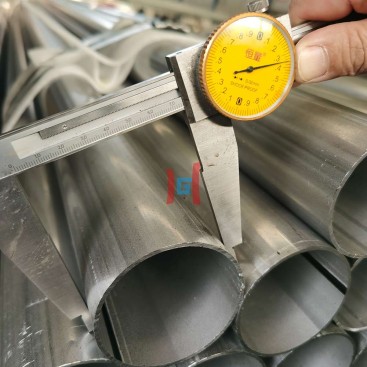
| Tube dimensions | Outside diameter, 壁の厚さ, and length |
| Processing requirements | 曲げ, 切断, 溶接, or other fabrication |
| Documentation | Material test certificates and agreed inspection records |
Providing these details allows the supplier to distinguish between different coating systems and confirm whether the requested material is suitable for the intended manufacturing process. It also makes quotations easier to compare because both parties are working from the same technical requirements.
泰達江華: Aluminium-Coated Steel Tube Supply Support
Teda Ganghua Metal is a steel stockist based in Tianjin TEDA, supporting industrial customers with steel material sourcing, specification coordination, and export services. We understand that surface coating descriptions must be sufficiently clear before material procurement can proceed smoothly.
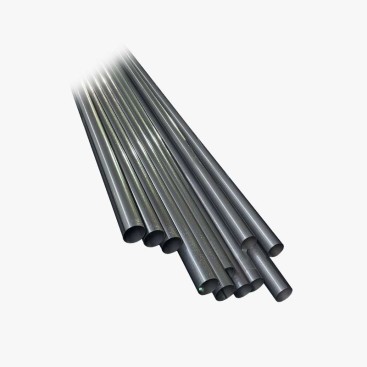
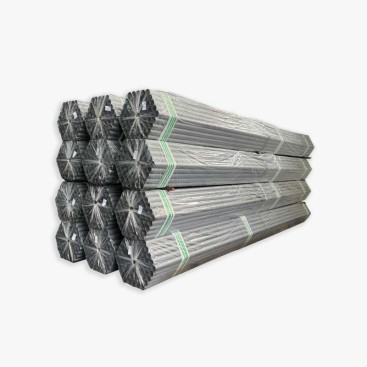
For buyers sourcing アルミメッキ鋼管, Teda Ganghua can assist with reviewing product descriptions, confirming dimensional requirements, and coordinating material documentation. Customers can communicate their coating composition, coating quantity, surface coverage, and downstream processing requirements to help establish a clear purchasing specification.
Our procurement support can also include material test certificates, inspection coordination, and third-party inspection arrangements according to the agreed order requirements. For customized applications, providing technical drawings and the intended working conditions helps ensure that material selection is evaluated against the actual project needs.
The key is to avoid treating the word coated as a complete technical description. A clear coating specification helps buyers, suppliers, and inspection teams work toward the same material requirements.
よくある質問
1. Does coated steel tube always mean pure aluminium coating?
いいえ. Coated is a general surface description. The actual coating may be pure aluminium, aluminium-silicon alloy, or another coating system. Buyers should confirm the coating chemistry in the technical specification.
2. What is the difference between pure aluminium and Al-Si coating?
Pure aluminium coating is commonly selected for corrosion protection, while Al-Si coating is particularly relevant to applications requiring high-temperature oxidation resistance and resistance to carburizing conditions. Their forming behavior and coating characteristics also differ.
3. Why should coating weight be specified separately?
Coating composition and coating quantity are different specification items. Identifying the required coating class helps prevent suppliers from interpreting a general coated description differently.
4. Does an aluminium-coated tube have coating on both sides?
必ずしもではありません. Internal and external coating coverage depends on the product specification and manufacturing process. Buyers should explicitly state whether one or both surfaces require coating.
5. What should buyers confirm before ordering aluminium-coated steel tubes?
The three essential questions concern coating composition, coating quantity classification, and internal or external surface coverage. Buyers should also confirm the base material, 寸法, 適用規格, および製造要件.