- 説明
説明
アルミメッキ鋼 vs 409 ステンレスエキゾースト: Metallurgy, Service Life and Value Comparison
Aluminized steel and 409 stainless steel are two of the most widely used materials in automotive exhaust systems. Both materials are designed to withstand high temperatures and corrosive exhaust environments, but their protection mechanisms are completely different.
409 stainless steel represents a modern OEM exhaust material choice because corrosion resistance comes from the alloy itself. Aluminized steel remains popular in aftermarket and cost-sensitive applications because it provides strong heat resistance and corrosion protection at a lower material cost.
The Different Roles of Aluminized Steel and 409 ステンレスエキゾースト
Although both materials are used for exhaust pipes, they serve different market requirements.
| 材料 | Main Market Position | Typical Application |
|---|---|---|
| 409 ステンレス鋼 | OEM exhaust system material | Factory-installed passenger vehicles and commercial vehicles |
| アルミメッキ鋼 | Economical exhaust solution | Aftermarket replacement systems and cost-focused vehicles |
Metallurgical Difference: Coating Protection vs Alloy Protection
409 ステンレス鋼: Protection Through Chromium Oxide
409 stainless steel is a ferritic stainless grade containing approximately 10.5-11.75% クロム. The chromium reacts with oxygen to form a stable chromium oxide passive film on the surface.
This protective layer can regenerate after minor surface damage, which means corrosion resistance comes from the entire material structure rather than an external coating.
アルミメッキ鋼: Protection Through Aluminum Coating
Aluminized steel uses an aluminum-silicon coating bonded to a steel substrate. During high-temperature operation, aluminum forms a protective aluminum oxide layer that reduces oxidation.
The main difference is that the protective function depends on coating integrity. If the aluminum layer is seriously damaged, the exposed steel substrate becomes vulnerable to corrosion.
Temperature Performance Comparison
Both materials perform well in automotive exhaust environments because they are designed for elevated temperatures.
| Performance Item | アルミメッキ鋼 | 409 ステンレス鋼 |
|---|---|---|
| Continuous Service Temperature | Approximately 677°C | Approximately 675°C |
| High Temperature Oxidation Resistance | Good due to aluminum oxide layer | Good due to chromium oxide layer |
| Heat Cycling Performance | Depends on coating condition | Stable due to alloy structure |
Corrosion Resistance Comparison
The biggest performance difference appears when the exhaust system experiences salt, 水分, and mechanical damage.
| Corrosion Condition | アルミメッキ鋼 | 409 ステンレス鋼 |
|---|---|---|
| Salt Spray Environment (ASTM B117) | Good while coating remains intact | Better overall corrosion resistance |
| Surface Scratches | May expose steel substrate | Passive film can regenerate |
| Road Salt Exposure | Suitable for moderate environments | Better for severe environments |
Welding Performance After Fabrication
Exhaust pipes usually require bending, 溶接, and assembly. The behavior of the protective system after welding is an important consideration.
| Welding Factor | アルミメッキ鋼 | 409 ステンレス鋼 |
|---|---|---|
| Weld Heat Effect | Aluminum coating near weld is damaged | Material remains corrosion resistant |
| Post-Weld Treatment | Coating repair recommended | Usually no coating repair required |
| Fabrication Difficulty | Requires coating protection control | Suitable for standard stainless welding processes |
Cost Difference and Market Selection
One major reason aluminized steel remains popular is its economic advantage. In many exhaust applications, aluminized steel can cost approximately 20-30% 未満 409 ステンレス鋼.
This cost difference explains why different markets select different materials.
| Market | Preferred Material | Selection Reason |
|---|---|---|
| OEM Vehicle Manufacturing | 409 ステンレス鋼 | Long service life and stable corrosion resistance |
| Aftermarket Replacement | アルミメッキ鋼 | Lower replacement cost |
| Premium Exhaust Upgrade | ステンレス鋼 | Long-term durability and appearance |
OEM vs Aftermarket Material Selection Logic
Original equipment manufacturers usually prioritize durability, warranty requirements, and long-term reliability. For this reason, 409 stainless steel is widely selected for modern exhaust systems.
Aftermarket manufacturers often focus on balancing service life and replacement cost. Aluminized steel provides sufficient performance for many vehicles while keeping the final product more affordable.
Teda Ganghua Aluminized Steel Tube Solutions
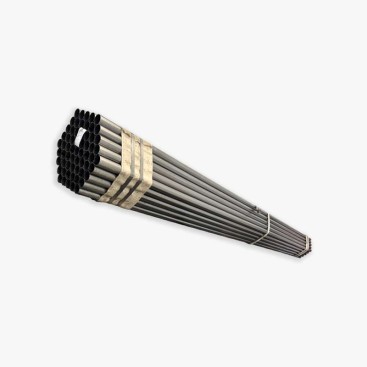
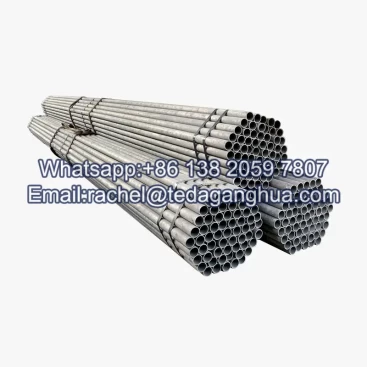
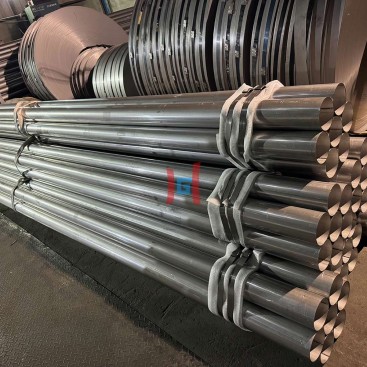
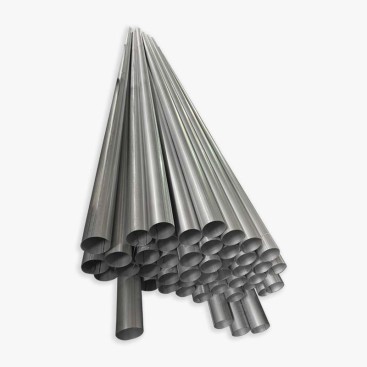
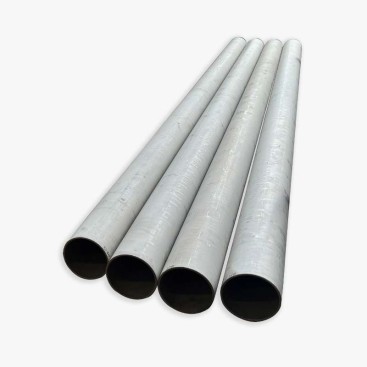
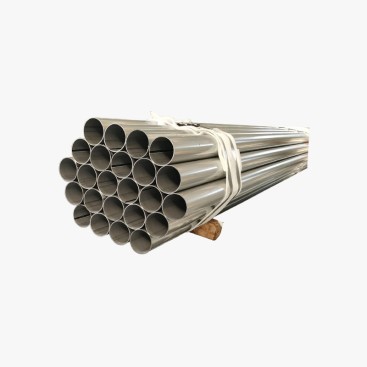
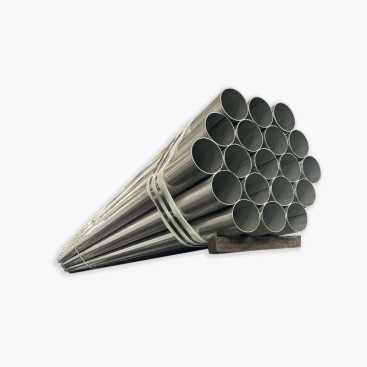
Teda Ganghua supplies aluminized steel tube solutions for automotive exhaust manufacturers and industrial applications. The products combine aluminum-silicon coating technology with strong steel tube structures to improve heat resistance, 酸化防止, and corrosion performance.
For exhaust system manufacturers looking for reliable and economical high-temperature tubing materials, Teda Ganghua provides アルミメッキ鋼管 suitable for exhaust applications and thermal environments.
よくある質問
1. は 409 stainless steel better than aluminized steel for exhaust?
409 stainless steel provides better overall corrosion resistance, while aluminized steel offers a lower-cost solution with good heat resistance.
2. Do aluminized exhaust pipes rust faster than 409 ステンレス?
They can rust faster if the aluminum coating is damaged or exposed to severe salt environments.
3. Why do car manufacturers use 409 ステンレス鋼?
OEM manufacturers choose 409 確実な耐食性を発揮しますので, 熱性能, そして長寿命.
4. アルミメッキ鋼はステンレス排気管の代わりに使用できます?
多くの通常の運転条件に対応, アルミメッキ鋼は実用的な代替品です. 極端な環境ではステンレス鋼が必要になる場合があります.
5. アルミめっき鋼材は溶接後に塗装補修が必要ですか?
はい. 熱によって接合部付近のアルミニウムのコーティングが剥がれてしまう可能性があるため、溶接部分の保護修復が必要になる場合があります。.