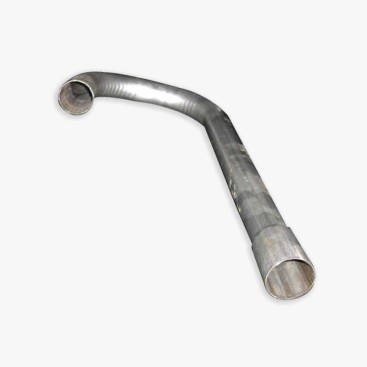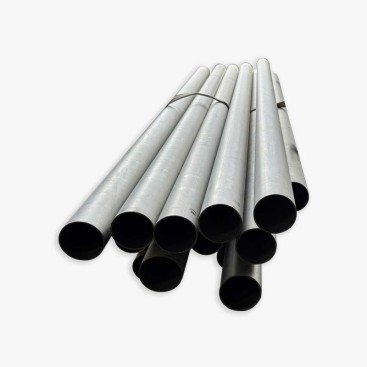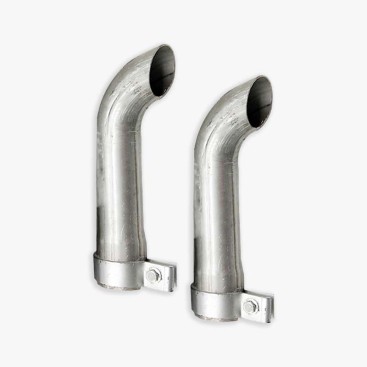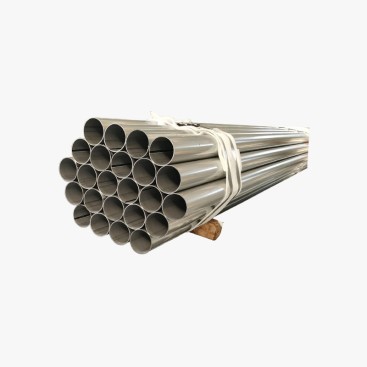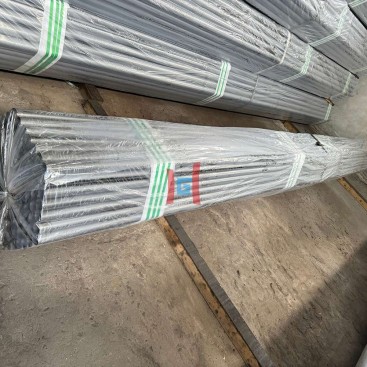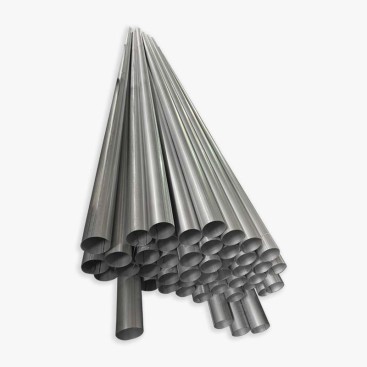
- 説明
説明
ASTM A463 タイプ 2 aluminized steel is different from Type 1 at the coating level, not because the underlying steel suddenly becomes a different kind of pipe material. タイプ 1 uses an aluminum-silicon coating system, 入力しながら 2 uses an essentially pure aluminum coating. That distinction affects high-temperature performance, typical applications, forming considerations and procurement availability.
For buyers specifying aluminized steel for tubing or pipe applications, the important question is therefore not simply whether the material is “aluminized.” The inquiry should identify タイプ 1 またはタイプ 2, the coating designation, the intended service and the temperature environment.
タイプ 1 対タイプ 2: The Basic Difference
ASTM A463 distinguishes aluminized steel coating systems by composition and intended performance. タイプ 1 is an aluminum-silicon alloy coating, commonly associated with approximately 5–11% silicon in the coating bath. タイプ 2 is a commercially pure aluminum coating.
The distinction becomes particularly important when the coated steel is exposed to elevated temperatures. タイプ 1 is generally the preferred choice for high-temperature service because the aluminum-silicon coating system provides a more suitable protective surface under thermal exposure. タイプ 2 is more commonly considered where atmospheric corrosion resistance, appearance, forming or subsequent finishing is more important than severe heat exposure.
| Factor | タイプ 1 | タイプ 2 |
|---|---|---|
| Coating composition | アルミニウム - シリコン合金コーティング | Essentially pure aluminum coating |
| Typical silicon direction | Commonly about 5–11% Si | No intentional silicon addition at the same level |
| High-temperature suitability | Generally preferred for elevated-temperature applications | Better suited to lower thermal loads |
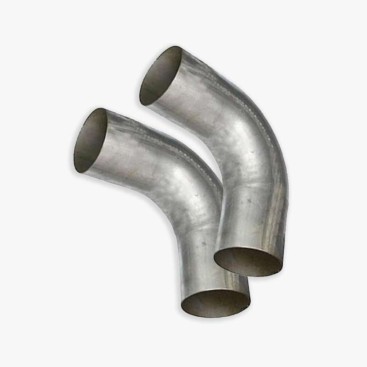
| Typical application direction | Exhaust and other thermally demanding applications | Atmospheric corrosion, forming and appearance-oriented applications |
| Availability | More commonly stocked in standard coating designations | May require a minimum order quantity or special production |
| Procurement priority | Confirm heat exposure and coating designation | Confirm MOQ, リードタイム, coating designation and application |
Why Does Aluminum-Silicon Perform Better at High Temperature?
The presence of silicon changes the behavior of the coating during solidification, processing and thermal exposure. Under elevated-temperature service, the coating must maintain a protective surface rather than simply provide initial atmospheric corrosion resistance.
The aluminum-rich surface can develop a protective oxide layer when exposed to oxygen. The alloying effect of silicon influences the coating structure and the stability of this protective system during heating. This is one reason the aluminum-silicon coating is favored for applications involving substantial thermal cycling or sustained elevated temperatures.
Do not use a coating type as a temperature guarantee
Choosing Type 1 does not establish a universal maximum service temperature. Actual performance depends on temperature, exposure time, atmosphere, 熱サイクル, tube geometry, fabrication and the specific coating system. For critical applications, the required temperature range and validation method should be agreed with the supplier and engineering team.
Where Type 2 Makes More Sense
タイプ 2 should not be treated as an inferior version of Type 1. It serves a different performance priority. Where the application is dominated by atmospheric corrosion, appearance, forming or subsequent coating rather than severe heat, a pure-aluminum coating can be an appropriate choice.
Potential application areas include components exposed primarily to atmospheric conditions, formed sheet products and applications where the surface appearance or compatibility with subsequent finishing is important. タイプ 2 is also encountered in certain drainage and corrugated-product specifications where corrosion resistance is the principal requirement rather than exhaust-level thermal performance.
This application distinction is particularly useful when comparing a general corrosion-resistant component with an exhaust component. An exhaust system experiences a fundamentally different thermal environment, so the coating should be selected from the service conditions rather than from the word “aluminized” alone.
タイプ 2 Availability: Ask Before You Assume It Is Stock
One of the most practical purchasing differences is availability. Standard Type 1 coating designations are more commonly maintained in regular supply programs, 入力しながら 2 may be offered subject to minimum order quantities, production scheduling or special arrangement.
That means a buyer should not assume that a Type 2 request will have the same lead time as a standard Type 1 材料. Availability needs to be confirmed at the quotation stage.
Four questions to ask about Type 2 availability
- Is the requested coating designation currently available?
- Is the material stocked or produced against a minimum order?
- What is the production or delivery lead time?
- Can the supplier provide coating and material documentation for the actual batch?
Coating Designation Still Matters
“Type 2” alone is not a complete coating requirement. The purchaser should also identify the applicable coating mass designation. The coating designation and coating type work together to define what is actually being ordered.
| Inquiry Item | Example of What to State | Reason |
|---|---|---|
| コーティングの種類 | タイプ 1 またはタイプ 2 | Establishes the coating composition direction |
| Coating designation | Applicable A463 coating mass designation | Defines the required coating level |
| ベーススチール | Specified steel grade or chemistry | The coating type does not define the complete steel grade |
| Tube dimensions | OD × wall thickness × length | Required for finished tube production |
| Service | Atmospheric / 形にする / thermal application | Allows the supplier to assess coating suitability |
タイプ 2 in Corrugated and Corrosion-Protection Applications
The distinction between coating types becomes clearer when looking beyond exhaust systems. タイプ 2 is encountered in project specifications for products where long-term resistance to atmospheric exposure is the primary objective. Certain corrugated steel applications reference aluminized Type 2 material under project or transportation specifications.
This reinforces an important procurement principle: the correct coating is determined by the service environment, not by the assumption that one coating type is universally better. A material optimized for high-temperature exhaust service is not automatically the most appropriate choice for every corrosion-resistant application.
How to Specify Type 2 for a Tube Inquiry
A practical inquiry should contain enough information for the supplier to distinguish the coating requirement from the finished tube requirement.
Recommended inquiry structure
材料: ASTM A463
コーティング: タイプ 2 + specified coating designation
Tube standard: applicable finished-tube specification
Dimensions: OD × wall thickness × length
応用: state the actual service
温度: state normal and maximum expected service temperature where relevant
Documentation: material certificate + coating verification + required inspection
Providing the intended service temperature is particularly important. A supplier cannot properly evaluate a coating request for a thermally exposed component if the inquiry only says “Type 2 aluminized pipe” without explaining the operating environment.
How Teda Ganghua Can Support the Specification
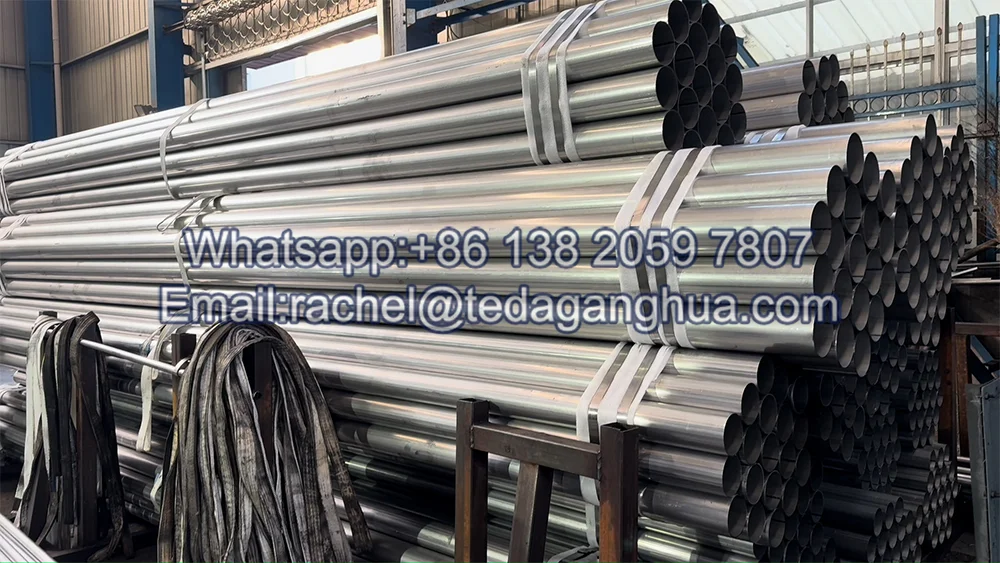
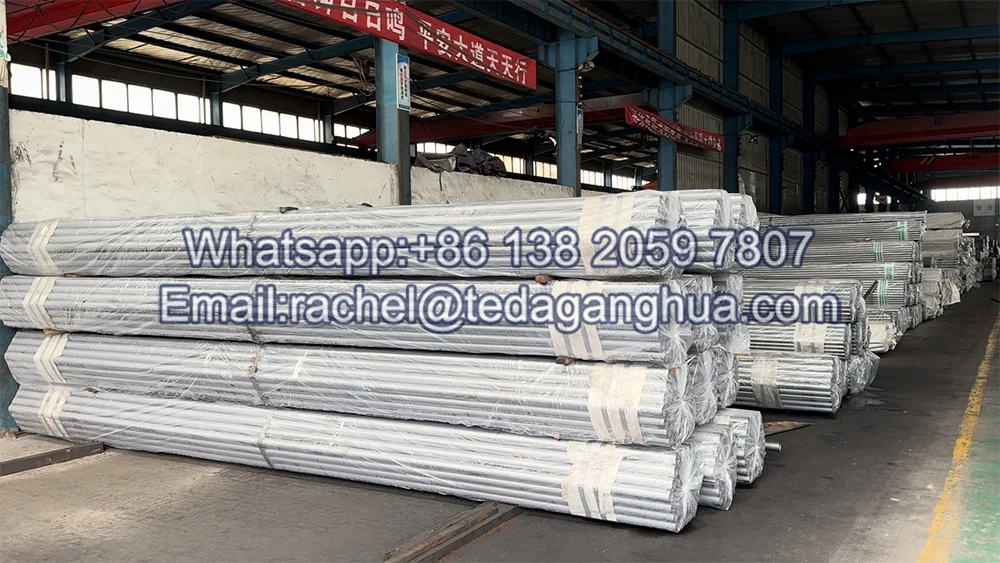
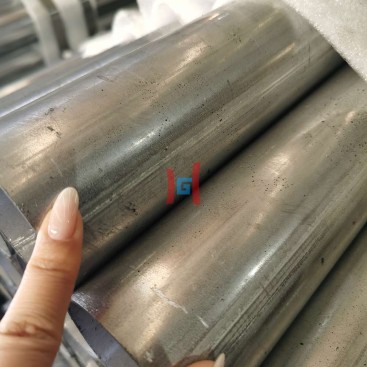
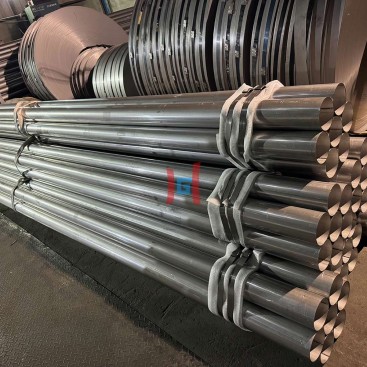
Teda Ganghua can help procurement teams translate an aluminized tube requirement into a more complete purchasing specification. For projects involving アルミメッキ鋼管, the inquiry can be reviewed around the coating type, coating designation, チューブの寸法, applicable tube standard, service environment and required documentation.
タイプの場合 2 projects in particular, it is useful to confirm availability, MOQ and lead time before finalizing the purchasing schedule. For high-temperature exhaust applications, the specification should instead be evaluated against the thermal environment before selecting the coating system.
The Practical Selection Rule
タイプ 1 とタイプ 2 should not be selected by coating name alone. タイプ 1, with its aluminum-silicon coating system, is generally the more appropriate direction for high-temperature service. タイプ 2, with its essentially pure-aluminum coating, can be suitable where atmospheric corrosion resistance, 形にする, appearance or subsequent finishing is the dominant requirement.
The safest purchasing sequence is:
Application → Temperature → Coating Type → Coating Designation → Tube Standard → Dimensions
That sequence prevents a common specification mistake: choosing Type 2 simply because it is called “aluminum coated,” or choosing Type 1 simply because it is more commonly stocked. The coating should match the actual service conditions and the finished tube should be specified separately.
よくある質問
What is ASTM A463 Type 2?
タイプ 2 is the pure-aluminum coating category under ASTM A463. It is generally used where corrosion resistance and surface characteristics are more important than severe high-temperature performance.
タイプです 2 suitable for exhaust pipe?
タイプ 2 is generally not the first choice for high-temperature exhaust service. タイプ 1 aluminum-silicon coating is normally the more appropriate direction for elevated-temperature applications, subject to the actual service conditions and validation requirements.
タイプです 2 always available from stock?
いいえ. タイプ 2 may be supplied subject to minimum order quantities or special production arrangements. Buyers should confirm availability and lead time before assuming that a standard Type 1 delivery schedule also applies.
Should I specify only “ASTM A463 Type 2” for a tube?
いいえ. The inquiry should also identify the applicable tube standard, の, 壁の厚さ, 長さ, 公差, coating designation, application and any inspection requirements. The coating specification alone does not fully define the finished tube.