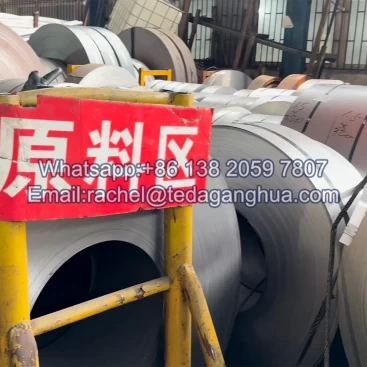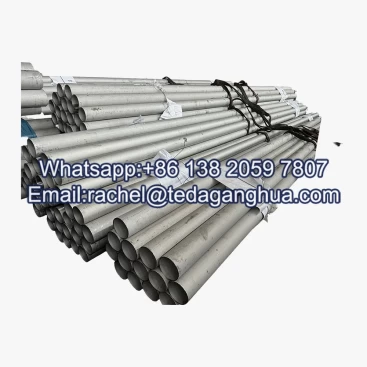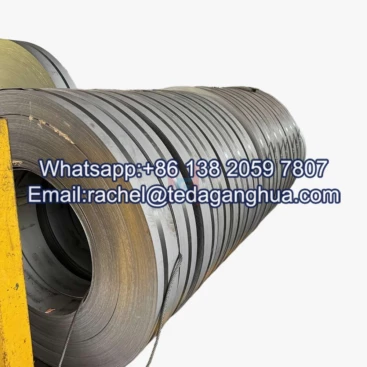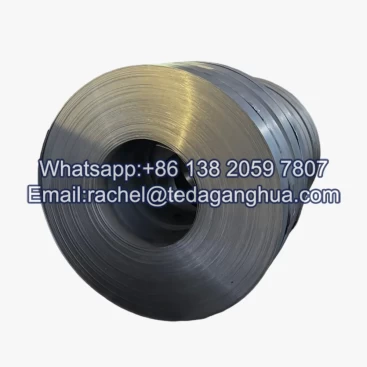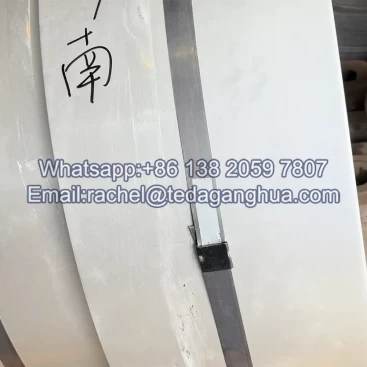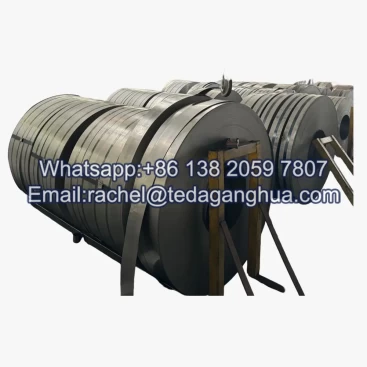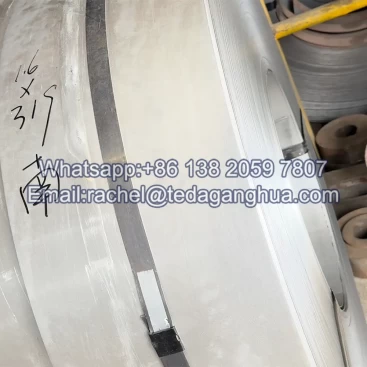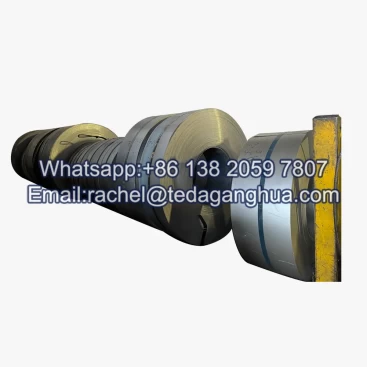
溶融アルミめっき鋼
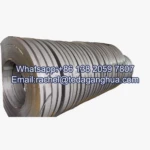
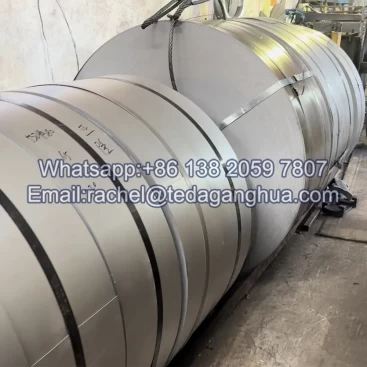
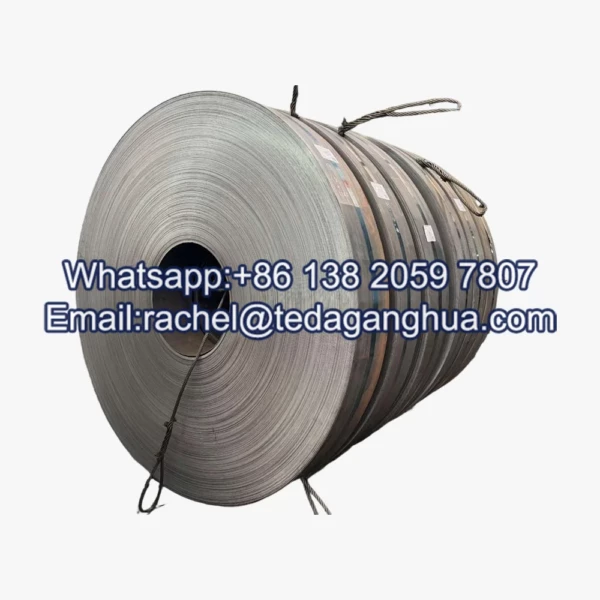
The Hot-Dip Aluminized Steel manufacturing process combines advanced surface preparation, continuous annealing, precise aluminum-silicon coating, and strict quality control. The result is a durable steel product with excellent oxidation resistance, 腐食保護, 耐熱性, and thermal reflectivity, 自動車に広く使用されるようになりました, 工業用暖房, and high-temperature applications.
- 説明
説明
Hot-Dip Aluminized Steel is produced by coating carbon steel with an aluminum-silicon alloy through a continuous hot-dip process. The coating typically contains approximately 90% アルミニウムと 10% シリコン, providing excellent heat resistance, 酸化抵抗, および腐食保護. The manufacturing process is carefully controlled to ensure uniform coating thickness and strong adhesion between the steel substrate and the coating.
Typical Coating Composition
| 要素 | コンテンツ (%) |
|---|---|
| アルミニウム (アル) | 89–95 |
| シリコン (そして) | 5–11 |
| 鉄 (鉄) | バランス |
The addition of silicon improves coating adherence and controls the growth of the intermetallic layer between steel and aluminum.
Manufacturing Process Flow
| Process Step | 目的 |
| Steel Preparation | Select suitable cold-rolled or hot-rolled steel |
| クリーニング & 脱脂 | Remove oil, dirt, and contaminants |
| アニーリング | Improve formability and surface quality |
| Hot-Dip Coating | Apply aluminum-silicon coating |
| Air Knife Control | Adjust coating thickness |
| Cooling | Solidify and stabilize the coating |
| Inspection | Verify coating quality |
| Coil Rewinding | Prepare products for shipment |
ステップ 1: Steel Surface Preparation
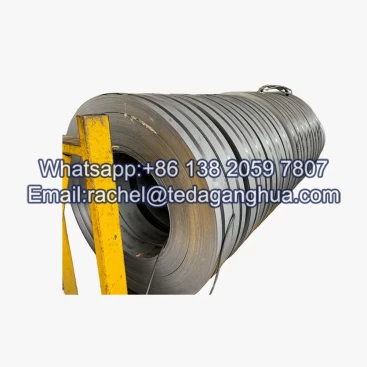
The process begins with high-quality carbon steel coils. Surface contaminants such as rolling oil, grease, and oxide scale are removed through alkaline cleaning and chemical treatment.
A clean steel surface is essential for achieving a strong metallurgical bond between the substrate and the coating.
ステップ 2: Continuous Annealing
After cleaning, the steel strip enters a continuous annealing furnace.
The annealing process:
- Relieves internal stresses
- Improves ductility
- Refines grain structure
- Enhances formability
The strip is heated under a controlled atmosphere to prevent surface oxidation before entering the coating bath.
ステップ 3: Hot-Dip Aluminum-Silicon Coating
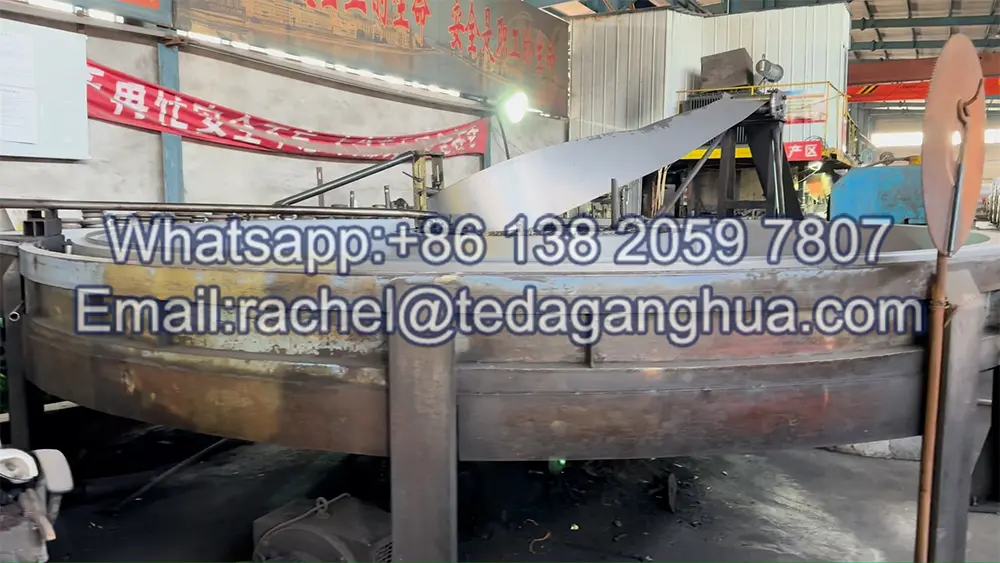
The annealed steel strip passes through a molten aluminum-silicon bath.
Typical bath conditions are shown below:
| Parameter | 典型的な範囲 |
| Bath Temperature | 660–700℃ |
| Aluminum Content | 89–95% |
| Silicon Content | 5-11% |
| Line Speed | 50–180 m/min |
As the strip passes through the bath, a thin intermetallic layer forms between the steel and coating. This layer provides excellent coating adhesion and long-term durability.
ステップ 4: Coating Thickness Control
After leaving the molten bath, the strip passes through high-pressure air knives.
The air knives:
- Remove excess coating
- Control coating weight
- Ensure uniform thickness
- Improve surface appearance
Accurate thickness control is critical for achieving consistent corrosion and heat resistance.
ステップ 5: 冷却固化
The coated strip is cooled using controlled air or water systems.
During cooling:
- The coating solidifies
- Surface quality is stabilized
- Mechanical properties are maintained
- Coating adhesion is preserved
The final surface typically exhibits a bright metallic appearance with excellent reflectivity.
ステップ 6: Quality Inspection
Finished material undergoes rigorous testing.
Common inspection items include:
| Inspection Item | 目的 |
| コーティング重量 | Verify coating thickness |
| Surface Quality | Detect defects |
| Adhesion Test | Confirm coating bond strength |
| Mechanical Test | Check strength and elongation |
| Dimensional Inspection | Verify width and thickness |
Only products meeting specification requirements proceed to packaging.
Advantages of the Hot-Dip Process
均一なコーティング分布
連続コーティング技術により、スチール表面全体を一貫して保護します。.
強力な冶金的結合
浸漬中に生成される金属間層は、多くの代替コーティング方法と比較して優れたコーティング密着性を実現します。.
高い生産効率
連続生産ラインにより安定した品質を保ちながら大量生産が可能.
優れた耐熱性
アルミニウムとシリコンのコーティングは、従来の亜鉛コーティングされた鋼よりも大幅に高い温度に耐えることができます。.