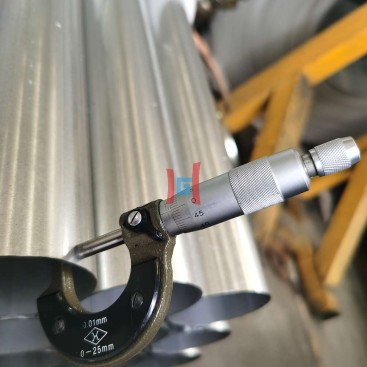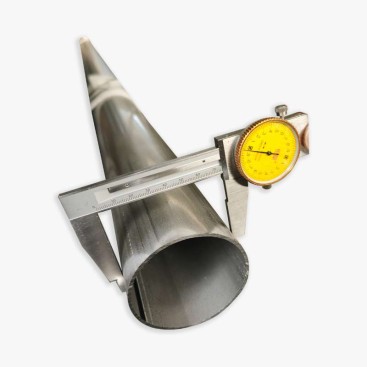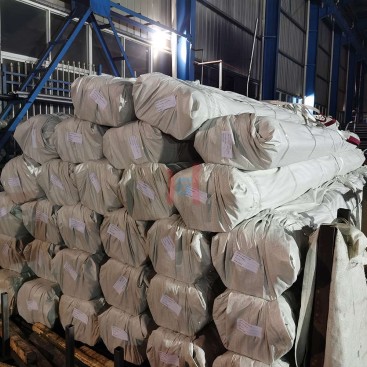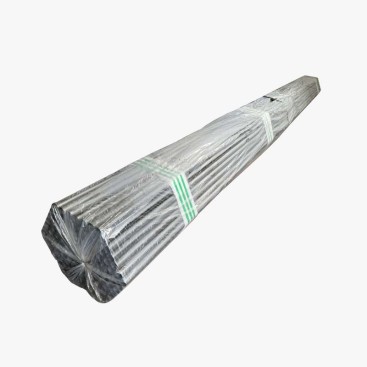
- 설명
설명
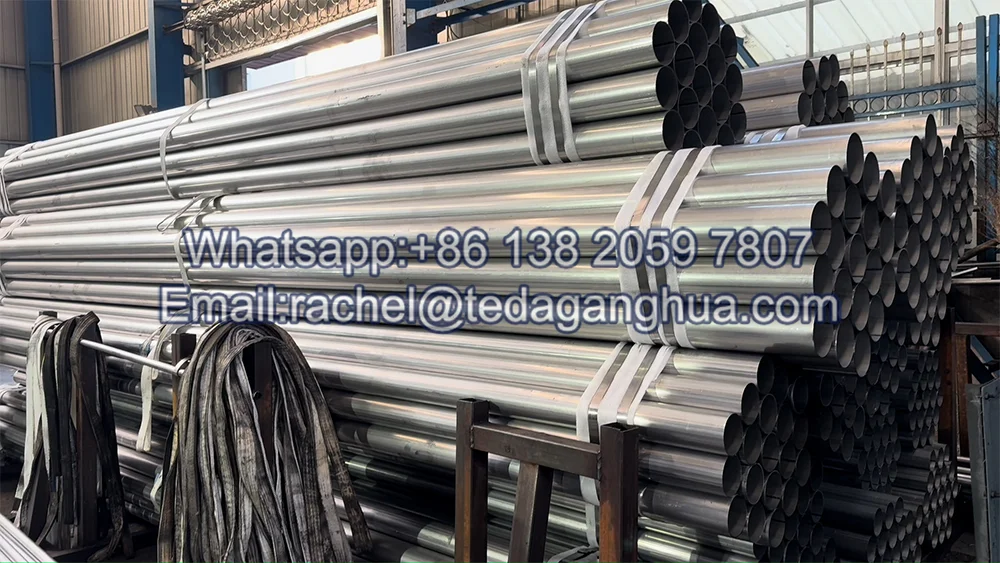
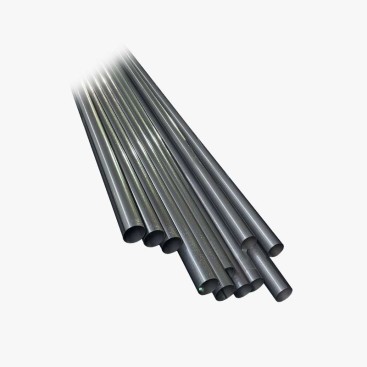
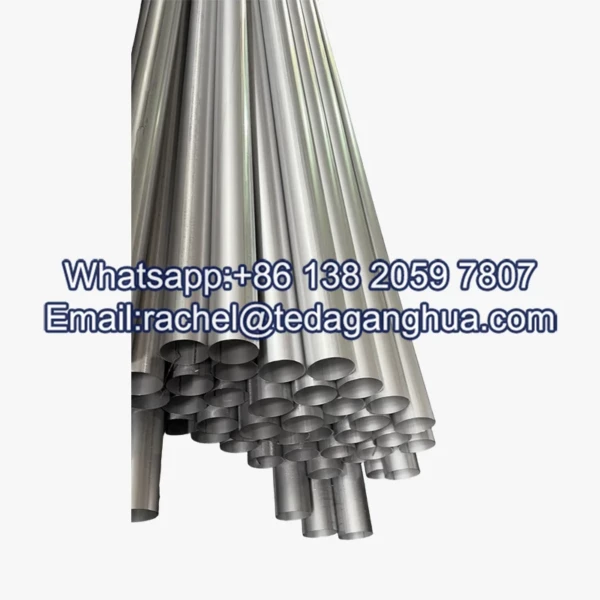
에이 5.8 m aluminized steel pipe offers a practical metric cut length for export orders that need consistent dimensions, manageable shipping plans, and compatibility with downstream fabrication. At approximately 19.03 피트, it is shorter than a nominal 20 ft length, but that difference alone does not determine how many pipes fit into a container. Buyers should confirm the controlling unit of measurement, 외경, 벽 두께, bundle dimensions, and loading arrangement before finalizing an order.
1. Why Specify a 5.8 m Length?
Metric cut lengths are convenient for procurement teams working with drawings, production schedules, and equipment dimensions expressed in millimeters or meters. A fixed length can simplify cutting plans, bundle identification, and receiving inspections, particularly when repeated batches must match the same downstream process.
The key distinction is between a requested nominal length and the accepted finished length. A purchase order should specify the target length, applicable tolerance, 측정 방법, and whether the dimension applies before or after any end preparation. A nominal 5.8 m requirement should not be interpreted as permission to deliver a different imperial standard length without written approval.
2. Metric and Imperial Lengths: Fix the Contract Reference
International steel orders often use both metric and imperial dimensions. The conversions below are useful for quotations and logistics planning, but rounded equivalents should not replace the contractual dimension.
| Nominal length | Approximate imperial equivalent | Ordering note |
|---|---|---|
| 3.048 중 | 10 피트 | Common imperial reference length |
| 3.6576 중 | 12 피트 | Exact conversion from 12 피트 |
| 5.8 중 | 약 19.03 피트 | Metric length; not identical to 20 피트 |
| 6.096 중 | 20 피트 | Longer than 5.8 m by 296 mm |
For a dual-unit contract, write the metric requirement first if metric is controlling, then provide the imperial conversion as a reference. 예를 들어: “Cut length: 5,800 mm nominal; approximate equivalent: 19.03 피트; the metric dimension governs acceptance.” Add the permitted length tolerance and the applicable product specification. If the imperial dimension is controlling instead, state that explicitly.
A rounded value such as 19 ft is not the same as 5.8 중. The difference can accumulate across cutting plans, installation layouts, and batches, so procurement documents should not use rounded equivalents as interchangeable specifications.
3. How 5.8 m Pipe Lengths Affect Container Loading
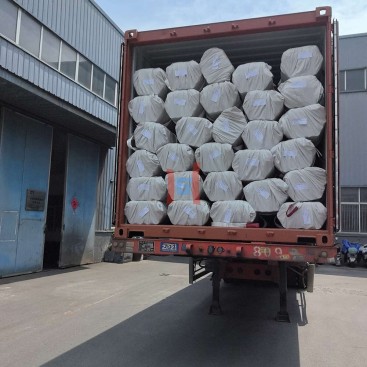
~에 5.8 중, a pipe is shorter than the nominal 20 ft length of 6.096 중. This may create useful planning flexibility, but it does not automatically guarantee that the product will fit every container in the intended orientation. Actual loading depends on internal usable dimensions, door clearance, 파이프 직경, bundle width and height, 포장, and the loading method.
Before confirming a shipment, procurement and logistics teams should check:
- Usable container length: Confirm the actual internal dimension and door clearance rather than relying on the container’s nominal size.
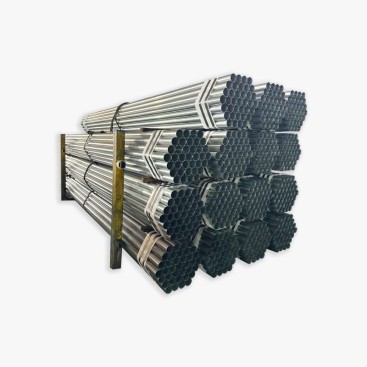
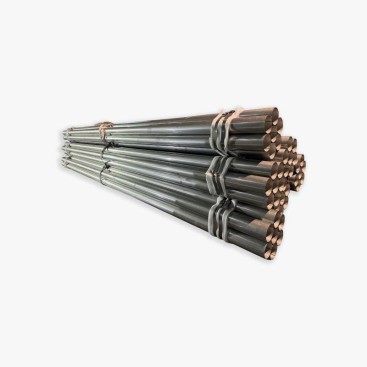
- Bundle configuration: Include spacers, end protectors, strapping, and any packing materials in the overall dimensions.
- Pipe outside diameter: Diameter determines how many pieces can be arranged in each layer and how the bundles can be secured.
- Weight limits: Calculate the pipe and packaging weight, then verify container payload and applicable transport limits.
- Loading and unloading: Ensure the bundles can be safely handled with the equipment available at both ends of the shipment.
Do not calculate the shipment quantity from length alone. The maximum number of pipes per container requires the actual outside diameter, 벽 두께, piece count per bundle, bundle arrangement, packaging dimensions, and payload limit. A loading drawing or packing simulation can help confirm the plan before production is completed.
4. Metric-to-Imperial and Loading Calculation Template
Use the following template to align the sales quotation, purchase order, packing list, and shipping plan. Fill in the actual dimensions and transport details for the order rather than treating the sample fields as confirmed capacity figures.
| 목 | Value to record | Verification purpose |
|---|---|---|
| Nominal cut length | 5,800 mm | Defines the metric reference |
| Imperial equivalent | 약 19.03 피트 | Supports international communication |
| Controlling unit | Metric or imperial | Prevents acceptance disputes |
| Length tolerance | Specify in the order | Sets the inspection limits |
| Pipe dimensions | Outside diameter × wall thickness | Supports weight and bundle calculations |
| Bundle dimensions | Length × width × height | Checks physical loading clearance |
| Quantity and weight | Pieces per bundle; bundles; gross weight | Checks payload and shipment count |
| Container details | 유형, usable dimensions, payload | Confirms the proposed loading arrangement |
A practical planning sequence is to convert the required length, calculate the theoretical pipe weight from the actual dimensions, determine bundle dimensions, and then compare the complete packing arrangement with the container’s usable space and payload. The final load plan should be approved using the actual packaging design and transport equipment.
5. Packaging, Moisture Protection, and Coating Preservation
Aluminized steel pipes can be damaged by repeated movement and contact during transport. Even when the metallic coating is designed for heat and oxidation resistance in service, that does not make the surface immune to abrasion, trapped moisture, or handling damage.
- Bundle securely: Use suitable strapping and supports to prevent pipes from shifting or rubbing excessively against each other.
- Protect the ends: Use end protection where appropriate to reduce impact damage and contamination. Any caps or plugs must suit the product and intended handling process.
- Manage moisture: Keep bundles dry before packing and use suitable moisture protection for the shipping environment. Avoid sealing in moisture-contaminated material.
- Separate contact surfaces: Consider compatible spacers or protective separators where necessary to limit coating scratches and pressure marks.
- Inspect before dispatch: Check cut ends, visible coating condition, bundle identification, and packing security. Record any agreed surface acceptance criteria.
Packaging requirements should match the route, expected storage duration, humidity exposure, and unloading conditions. If pipes will be stored outdoors or transferred multiple times, specify the protection requirements before shipment rather than leaving them to informal handling practices.
6. Which Markets and Applications Benefit from Metric Cut Lengths?
에이 5.8 m cut length can suit buyers whose drawings, purchasing systems, and fabrication lines use metric dimensions. It can also be considered by downstream users working with equipment that uses imperial references, provided the actual length and interface requirements are checked rather than assumed compatible.
| Buyer situation | Potential benefit | What to confirm |
|---|---|---|
| Metric-based fabrication | Simpler alignment with metric drawings | Cut-length tolerance and usable finished length |
| Export procurement | Clear dual-unit communication | Which unit governs the contract |
| Container-based shipments | May provide more loading flexibility than 20 ft stock | Actual container clearance and bundle geometry |
| Imperial-reference equipment | Can be evaluated for compatible installations | Connection dimensions, installation allowance, and drawing requirements |
Length alone does not establish whether a pipe is suitable for exhaust systems, 난방 장비, 통풍, or other industrial service. Material specification, coating type, 지름, 벽 두께, operating temperature, 부식 노출, joining method, and applicable design requirements must also be evaluated.
7. Working with Teda Ganghua on Aluminized Steel Pipe Orders
For international procurement teams, a reliable order begins with clear dimensions and acceptance requirements—not simply a nominal length. Teda Ganghua supports buyers sourcing 알루미늄 도금 강철 튜브 by coordinating product specifications, cut-length requirements, dimensional confirmation, and export packing details around the intended application.
When requesting a quotation, provide the outside diameter, 벽 두께, required length of 5,800 mm, length tolerance, coating or material specification, 수량, end preparation, 검사 요구 사항, and destination. If container loading is a priority, also share the preferred shipping method and any known restrictions on bundle size. This gives the supplier the information needed to review manufacturability and prepare a more useful packing proposal.
자주 묻는 질문
1. How many feet is a 5.8 m aluminized steel pipe?
에이 5.8 m pipe is approximately 19.03 피트, or about 19 ft when rounded to a whole foot. Use the exact metric length in the contract if 5,800 mm is the controlling dimension.
2. ~이다 5.8 m the same as a 20 ft pipe?
아니요. 에이 20 ft length equals 6.096 중, 그게 296 mm longer than 5.8 중. They should be treated as different cut lengths unless a buyer formally approves a substitution.
3. Does a 5.8 m length guarantee that the pipe will fit in a shipping container?
아니요. Confirm the container’s usable internal length, door clearance, pipe and bundle dimensions, packing arrangement, payload, and handling method. Nominal length alone cannot confirm loading feasibility.
4. Should the purchase order list both meters and feet?
Dual-unit notation is useful for international orders. 미터법과 대략적인 영국식 값을 명시하세요., 그런 다음 제어 장치를 명시적으로 식별합니다., length tolerance, 전환관련 분쟁을 예방하기 위한 점검방법 및 점검방법.
5. 적재 수량을 계산하는 데 필요한 정보는 무엇입니까??
최소한, 파이프 길이 제공, 외경, 벽 두께, 수량, bundle dimensions, 포장방법, 컨테이너 유형, usable dimensions, and payload limit. 최종 수량은 검증된 적재 배열을 기반으로 해야 합니다., 길이만은 아니다.