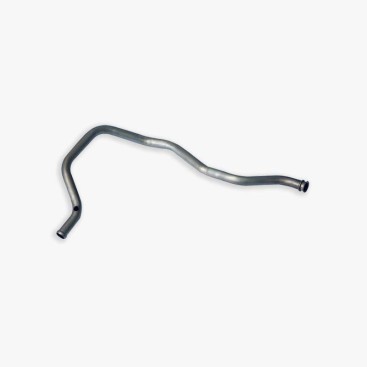
- 설명
설명
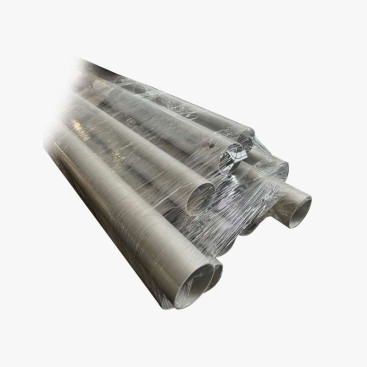
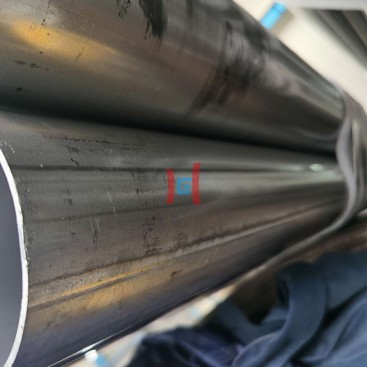
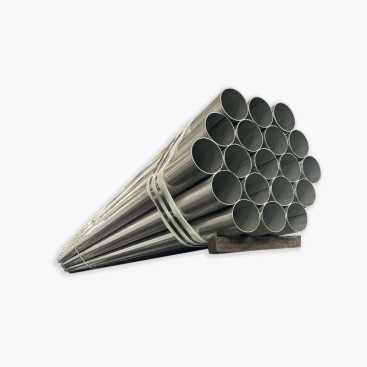
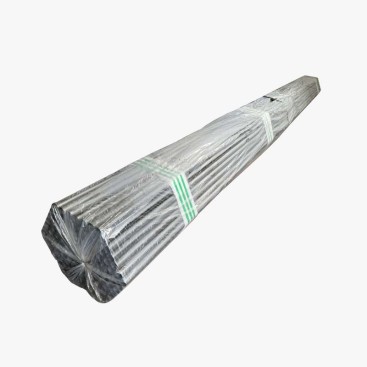
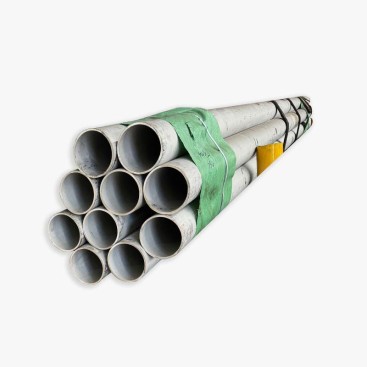
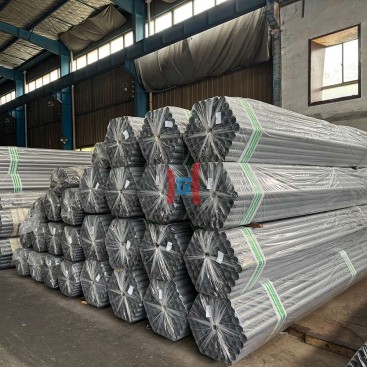
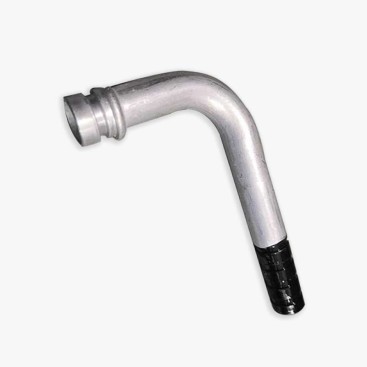
Aluminized Boiler Tubes: Hot Corrosion and Fireside Attack Protection for Long-Life Boiler Systems
Boiler tubes are exposed to some of the most aggressive operating environments in thermal power and industrial heating systems. High-temperature furnace gases, sulfur compounds, molten ash deposits, steam oxidation, and acidic condensation can gradually reduce tube wall thickness and cause unexpected failures.
Traditional carbon steel boiler tubes provide good mechanical strength and cost advantages, but they have limited resistance against severe fireside corrosion. Aluminized boiler tubes provide an upgraded protection solution by combining a steel tube substrate with an aluminum diffusion layer and protective aluminum oxide film.
For many boiler applications, aluminized tubes can extend service life while maintaining a more economical structure compared with higher-alloy materials.
The Three Major Threats to Boiler Tubes
Different sections of a boiler experience different corrosion mechanisms. Understanding the failure environment is essential for selecting the correct tube material.
| Failure Mechanism | Typical Location | Main Cause |
|---|---|---|
| Fireside high-temperature corrosion | Water wall and furnace side | Molten salts, sulfur compounds, ash deposits |
| Steam oxidation | Superheater and reheater tubes | High-temperature steam exposure |
| Flue gas dew point corrosion | Economizer tubes | Acidic condensation from sulfur gases |
How Aluminized Layers Protect Boiler Tubes
The protection mechanism of aluminized boiler tubes comes from two important structures: an aluminum diffusion layer and a stable aluminum oxide surface film.
1. Aluminum Diffusion Layer
During the aluminizing process, aluminum diffuses into the steel surface and forms an iron-aluminum intermetallic layer. This transition zone improves bonding strength and provides additional oxidation resistance.
2. Aluminum Oxide Protective Film
When exposed to high temperatures, aluminum reacts with oxygen to form Al₂O₃. This dense oxide film acts as a barrier against oxygen penetration, sulfur attack, and molten ash corrosion.
Compared with ordinary steel oxidation products, aluminum oxide has better stability under high-temperature conditions and helps slow down metal loss.
Aluminized Boiler Tubes vs Carbon Steel and Alloy Tubes
| 재료 유형 | 장점 | 제한사항 |
|---|---|---|
| Carbon steel boiler tube (SA-192 / SA-210) | 저렴한 비용, good strength, easy fabrication | Limited resistance to hot corrosion |
| Aluminized boiler tube | Improved oxidation and sulfur corrosion resistance | Requires coating quality control |
| Low alloy tube (T11 / T22) | Better high-temperature strength | 더 높은 재료비 |
Where Aluminized Boiler Tubes Are Used
Aluminized protection can be applied to different boiler sections depending on the dominant corrosion problem.
| Boiler Section | Operating Condition | Protection Benefit |
|---|---|---|
| Water wall tubes | Direct flame and ash exposure | Reduces fireside corrosion |
| Superheater tubes | High-temperature steam oxidation | Improves oxidation resistance |
| Economizer tubes | Low-temperature acidic gas area | Helps resist dew point corrosion |
Aluminizing vs Weld Overlay vs Thermal Spray Protection
Boiler tube protection can be improved through different surface engineering methods. Each technology has different advantages depending on repair requirements, production scale, and operating conditions.
| Protection Method | 주요 특징 | Typical Application |
|---|---|---|
| 알루미늄 도금 | Metallurgical diffusion protection | New tube manufacturing and upgrades |
| Stainless steel weld overlay | Thick corrosion-resistant layer | Severe furnace wall corrosion repair |
| Thermal spray coating | Flexible surface repair method | Localized maintenance areas |
Economic Advantages of Upgrading Boiler Tubes
Replacing standard carbon steel tubes with aluminized boiler tubes can improve equipment reliability without requiring the same investment level as fully alloyed materials.
- Service life can reach approximately 2-3 times that of standard carbon steel tubes in suitable environments.
- Material upgrade cost is generally lower than switching to high-alloy stainless solutions.
- Reduced shutdown frequency improves boiler availability.
- Longer maintenance intervals reduce replacement labor requirements.
Manufacturing and Specification Considerations
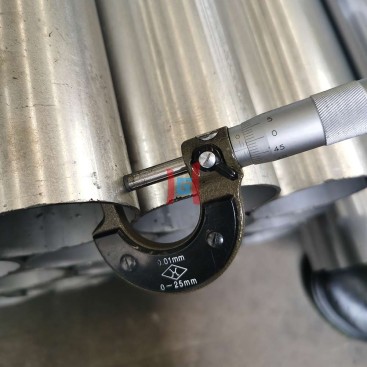
For boiler applications, aluminized tubes are typically produced using qualified boiler tube substrates combined with controlled aluminizing processes. Proper coating thickness, diffusion depth, and welding area protection are important factors affecting performance.
| Specification Item | Typical Requirement |
|---|---|
| Base Tube Standard | ASME boiler tube grades such as SA-210 |
| Coating Method | Controlled aluminizing treatment |
| Weld Area Protection | Post-weld coating repair or aluminizing treatment |
Teda Ganghua Aluminized Boiler Tube Solutions
Teda Ganghua provides aluminized steel tube solutions for industrial heating systems, 보일러, and thermal equipment manufacturers. Through controlled surface treatment and customized tube processing, Teda Ganghua helps customers improve resistance against oxidation, 부식, and high-temperature operating challenges.
향상된 노변 부식 방지 및 더 긴 서비스 간격이 필요한 보일러 시스템용, 테다강화용품 알루미늄 도금 강철 튜브 까다로운 열 응용 분야에 적합.
FAQ
1. 보일러 튜브가 부식에 취약한 이유?
보일러 튜브는 고온 가스에 직면합니다., sulfur compounds, steam oxidation, 그리고 산성 응축, 점차적으로 튜브 표면을 손상시킬 수 있습니다..
2. 알루미늄 도금은 보일러 튜브 성능을 어떻게 향상합니까??
알루미늄 확산층과 Al2O₃ 보호필름이 산화방지막을 형성, sulfur attack, 및 고온 부식.
3. 알루미늄 도금 튜브는 합금 보일러 튜브보다 우수합니다.?
모든 애플리케이션을 대체할 수는 없습니다., 그러나 극한의 온도 요구 사항 없이 내식성이 필요한 경우 비용 효율적인 업그레이드를 제공합니다..
4. 기존 보일러 튜브를 알루미늄 도금으로 수리할 수 있습니까??
예. 특정 수리 방법은 현장 조건에 따라 국부적으로 손상된 부위의 알루미늄 보호를 복원할 수 있습니다..
5. 알루미늄 보일러 튜브는 얼마나 오래 지속될 수 있습니까??
적절한 작동 조건에서, 처리되지 않은 탄소강 튜브에 비해 사용 수명을 크게 연장할 수 있습니다..