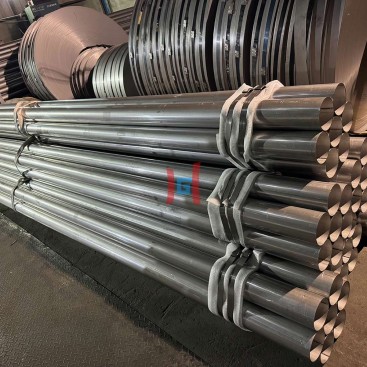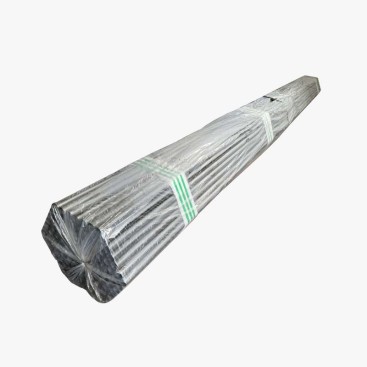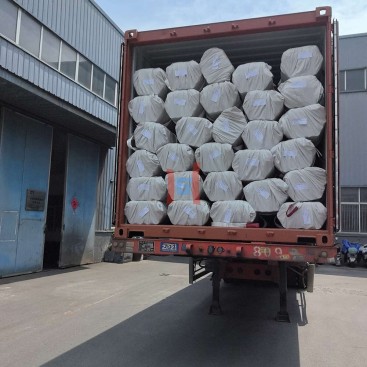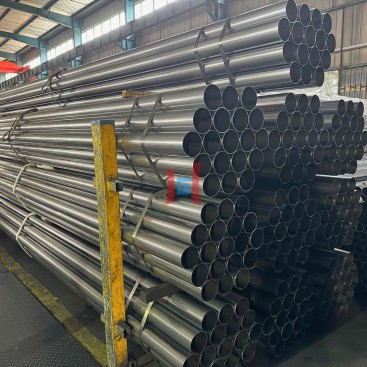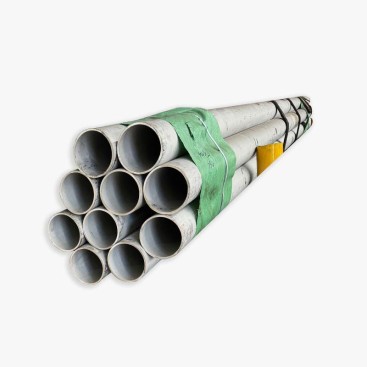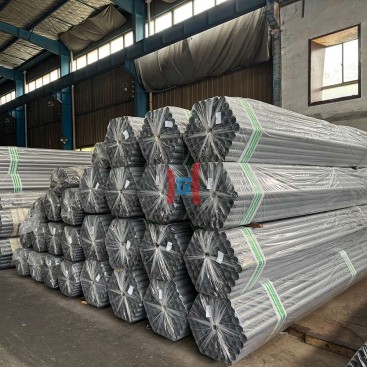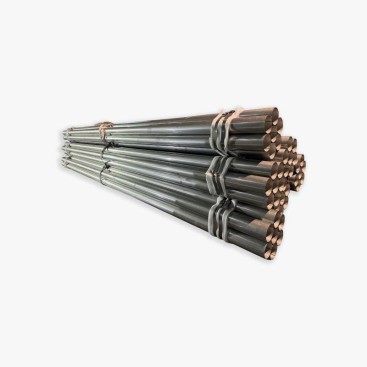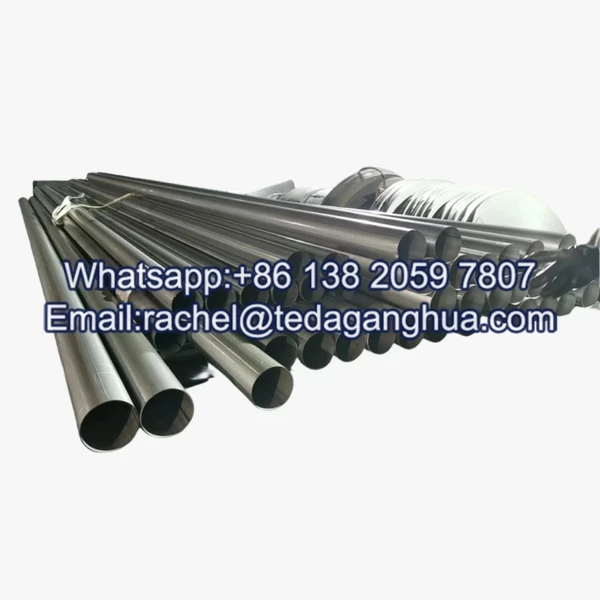
- 설명
설명
When buyers search for aluminized steel pipe tube, they may be comparing two different product descriptions without having decided how the material should be specified or purchased. Although the terms “파이프” 그리고 “tube” are sometimes used interchangeably in general communication, they can represent different purchasing and quotation methods. Pipe is commonly specified by nominal pipe size (NPS) or DN, while tube is generally ordered by its actual outside diameter and wall thickness. Understanding this distinction helps buyers compare quotations accurately and avoid misunderstandings about product dimensions, quantities, and delivery requirements.
Why Do Buyers Use Both Pipe and Tube in One Search?
The combination of “파이프” 그리고 “tube” often indicates that a buyer is still exploring the appropriate purchasing specification. The intended application may already be clear, but the ordering method has not yet been established. This is particularly common in industrial procurement, equipment manufacturing, structural fabrication, and projects involving customized steel sections.
Tube: Generally specified using actual outside diameter (의) 및 벽 두께, making dimensional accuracy important for fabrication and equipment applications.
These are common purchasing conventions rather than absolute rules. Certain industries and product standards use different dimensional specifications. Buyers should therefore confirm the applicable standard and dimensional requirements before comparing quotations.
Three Different Ways to Quote Aluminized Steel Products
The most useful way to compare quotations is to identify the commercial unit first. 응용 프로그램에 따라, the same general product category may be quoted by length, 무게, or finished piece. Each method serves a different purchasing requirement.
| Quotation Method | Commercial Unit | Typical Application |
|---|---|---|
| By Length | Per meter or per fixed-length piece | Piping installation, project-based cutting, and dimensional planning |
| By Weight | Per metric ton or kilogram | Raw material procurement and large-volume orders |
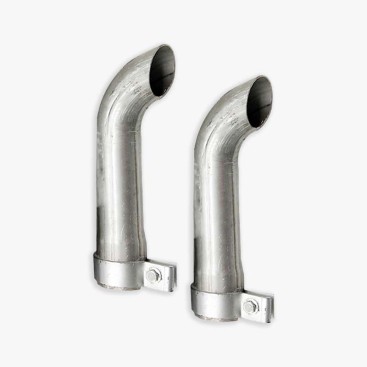
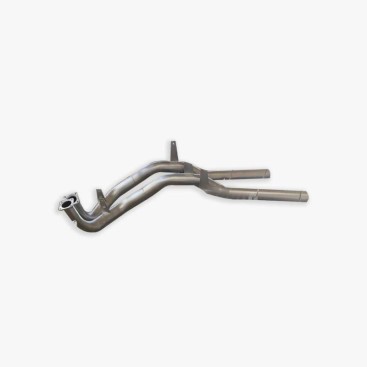
| By Finished Piece | Per completed component | 벤딩, expansion, 용접, and other fabricated products |
1. Quotation by Meter or Fixed Length
Length-based quotations are suitable when materials are purchased for installation or project-specific cutting. Buyers usually need to confirm the required overall length, individual piece length, 치수 공차, 그리고 배송상태. 예를 들어, a piping contractor may need multiple pieces cut to specified lengths according to an installation drawing.
2. Quotation by Weight
Weight-based purchasing is common in bulk material procurement. The quotation should clearly state whether the quantity is calculated using theoretical weight or determined by actual weighing. Buyers should also confirm whether the agreed weight refers to the finished product or another defined supply condition. This distinction is important when comparing bulk quotations from different suppliers.
3. Quotation by Finished Piece
When the material has already undergone additional processing, a per-piece quotation may be more appropriate. Examples include bent sections, expanded ends, welded assemblies, and other customized components. In these cases, the quotation should identify the finished dimensions, 처리 요구 사항, 검사 기준, and accepted tolerances rather than describing only the original raw material.
How to Choose the Right Quotation Basis
The purchasing method should follow the actual supply condition and intended use. Buyers do not necessarily need to choose between the words pipe and tube immediately. 대신에, they can compare the three commercial quotation methods and determine which one best represents the material they intend to receive.
A Practical Purchasing Checklist
- Confirm whether the product is supplied as a standard straight section or a fabricated component.
- Identify whether the project requires nominal pipe sizing or actual tube dimensions.
- Specify the required length or number of finished pieces.
- Clarify whether the order quantity is calculated by theoretical weight or actual weighing.
- Confirm the aluminized coating requirements and applicable material specification.
- Define inspection, 포장, and delivery requirements before finalizing the purchase order.
For aluminized steel, the coating specification is another important part of the purchasing description. Buyers should identify the required coating type, coating mass or thickness where applicable, 표면 상태, and relevant product standard. If the material is intended for welding, 형성, or further fabrication, the processing requirements should also be discussed before production.
What Information Should Buyers Include in an RFQ?
A clear request for quotation reduces the risk of receiving offers based on different commercial assumptions. Instead of sending only a general product name, buyers can provide the following information:
| RFQ Information | What to Specify |
|---|---|
| Product description | 파이프, tube, or fabricated section |
| Dimensions | DN/NPS or actual OD and wall thickness, as applicable |
| Material and coating | Material grade, 적용 가능한 표준, and aluminized coating requirements |
| Supply length | Random length, fixed length, or customized length |
| Processing condition | Straight, 굽은, expanded, 용접된, or otherwise fabricated |
| Order quantity | Meters, pieces, kilograms, or metric tons |
| Inspection documents | Material test certificates and agreed inspection requirements |
테다강화: Supporting Aluminized Steel Material Procurement
테다강화금속, based in Tianjin TEDA, supports industrial buyers with steel material sourcing and export services. For customers evaluating different product forms and quotation methods, clear communication about dimensions, 코팅 요구 사항, processing conditions, and order quantities is essential. Our team can help review purchasing specifications and coordinate suitable supply arrangements according to project requirements.
For buyers looking for 알루미늄 도금 강철 튜브, it is important to clarify whether the requirement concerns standard straight material or customized fabricated sections. Teda Ganghua can assist with specification confirmation, material documentation, inspection coordination, and export arrangements. Material test certificates and third-party inspection can also be discussed according to the order requirements.
Before confirming an order, buyers are encouraged to provide drawings or a detailed specification whenever possible. This allows both parties to establish a consistent quotation basis and avoid differences between the requested product, quoted quantity, and delivered material.
자주 묻는 질문
1. Are pipe and tube the same product?
항상 그런 것은 아니다. Pipe is commonly specified by nominal size and used in piping systems, while tube is generally identified by actual outside diameter and wall thickness. 하지만, industry standards and application requirements determine the final specification.
2. Can aluminized steel products be quoted by meter?
예. Length-based quotations are suitable for projects requiring fixed-length sections or installation materials. The required length, 공차, and quantity should be clearly specified.
3. What is the difference between theoretical weight and actual weight?
Theoretical weight is calculated using agreed dimensional and material assumptions, while actual weight is determined by weighing the supplied material. The quotation and purchase order should clearly identify which method applies.
4. When should a buyer request a quotation by finished piece?
A per-piece quotation is appropriate when the supplied material has undergone additional fabrication, such as bending, end expansion, or welding. 구매자는 필요한 범위를 정의하기 위해 도면과 완성된 치수를 제공해야 합니다..
5. 견적요청 시 가장 중요한 정보는 무엇인가요??
필수 정보에는 제품 형태가 포함됩니다., 치수, 재료 등급, 코팅 요구 사항, 공급 길이, 가공조건, 수량, 및 견적 단위. 이러한 세부 정보를 제공하면 공급업체가 비교 가능하고 기술적으로 일관된 제안을 준비하는 데 도움이 됩니다..