- 설명
설명
Aluminized Steel Tube Dimensions Explained: Standard Sizes, Tolerances & How to Specify
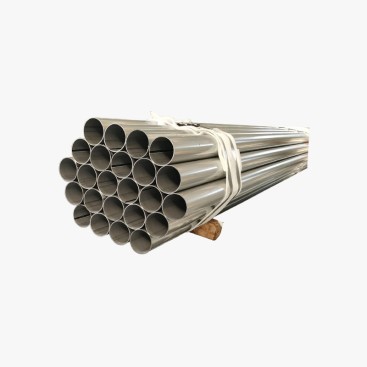
Aluminized steel tube dimensions are critical factors when selecting materials for automotive exhaust systems, 열교환 기, 산업용 용광로, 및 고온 애플리케이션. Correct specification requires understanding tube diameter, 벽 두께, 길이, coating type, and dimensional tolerances.
Unlike ordinary steel tubes, aluminized steel tubes combine a steel substrate with an aluminum-silicon coating, providing improved heat resistance and corrosion protection. 하지만, accurate dimensions are essential to ensure proper assembly, welding performance, and long-term service life.
Key Dimensions of Aluminized Steel Tubes
When specifying aluminized steel tubes, buyers usually need to confirm five major parameters:
- 외경 (의): Determines connection compatibility and installation space.
- 벽 두께: Affects strength, pressure resistance, and heat transfer performance.
- Tube Length: Influences cutting, 굽힘, 및 제작 요구 사항.
- 모양: Includes round, 정사각형, 직사각형, and customized profiles.
- Dimensional Tolerance: Controls manufacturing accuracy.
Common Aluminized Steel Tube Size Range
| Dimension Type | Common Range | Typical Application |
|---|---|---|
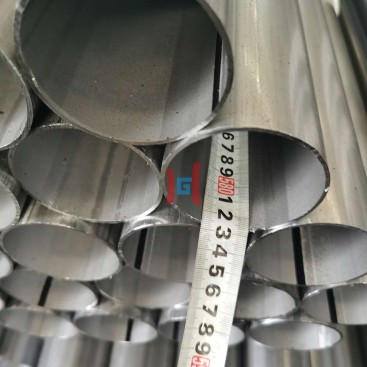
| 외경 | 10–200 mm | 배기 시스템, heat transfer components |
| 벽 두께 | 0.8–8 mm | Automotive and industrial tubing |
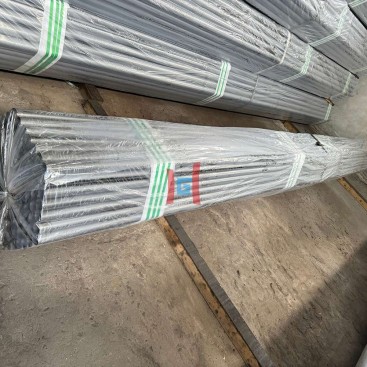
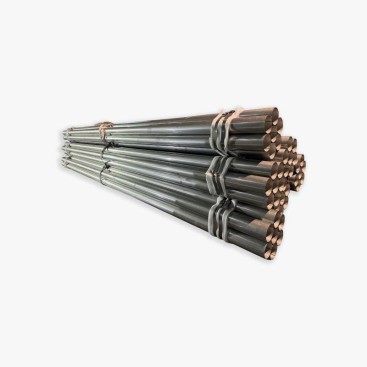
| 길이 | Customized or standard lengths | Fabrication and assembly |
Standard Tube Shapes and Their Applications
| Tube Shape | 장점 | 일반적인 용도 |
|---|---|---|
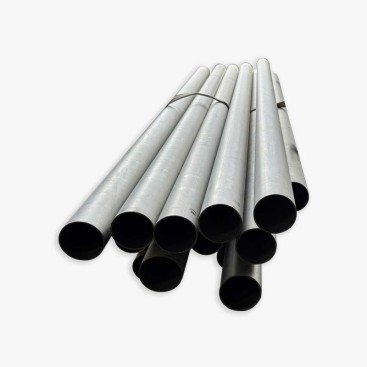
| Round Tube | Excellent flow performance | 배기관, 열교환 기 |
| Square Tube | Easy structural assembly | Frames and supports |
| Rectangular Tube | Space-efficient design | Special fabrication projects |
How Wall Thickness Affects Tube Performance
Wall thickness is one of the most important specifications because it directly affects mechanical strength, 내열, and service durability.
| 벽 두께 | 성능 특성 |
|---|---|
| Thin Wall | Lower weight, faster heat transfer, suitable for lightweight systems |
| Medium Wall | Balanced strength and thermal performance |
| Heavy Wall | Higher durability for demanding environments |
Dimensional Tolerances You Should Check
Manufacturing tolerances determine whether tubes can be smoothly installed and fabricated. Important tolerance factors include:
- Outside diameter tolerance.
- Wall thickness variation.
- Length accuracy.
- Straightness deviation.
- Roundness control.
For precision applications such as automotive exhaust systems, tighter dimensional control helps reduce welding adjustment and improves assembly efficiency.
How to Specify Aluminized Steel Tubes Correctly
A complete tube specification should include material grade, 치수, 표면 요구 사항, and application conditions.
| Specification Item | Example Requirement |
|---|---|
| Tube Type | Round aluminized steel tube |
| 지름 | Specify outside diameter |
| 두께 | Specify wall thickness |
| 길이 | Standard or customized length |
Factors Affecting Tube Dimension Selection
- 온도: Higher operating temperatures require suitable wall thickness and coating performance.
- Mechanical Load: Structural applications require stronger tube designs.
- Fabrication Method: Bending and welding requirements influence size selection.
- Installation Space: Compact systems require accurate dimensional planning.
Teda Ganghua Aluminized Steel Solution: Teda Ganghua supplies aluminized steel tubes with reliable dimensional control for automotive exhaust systems, 내열 장비, 및 산업용 애플리케이션. Customers can check available specifications and customized solutions through our 알루미늄 도금 강철 튜브 product range.
Common Mistakes When Selecting Tube Dimensions
- Choosing diameter without considering installation requirements.
- Ignoring wall thickness during high-temperature service.
- Not confirming dimensional tolerances before fabrication.
- Using unsuitable tube sizes for bending operations.
FAQ About Aluminized Steel Tube Dimensions
1. What dimensions should be provided when ordering aluminized steel tubes?
Buyers should provide tube shape, 외경, 벽 두께, 길이, 수량, 및 신청 요구 사항.
2. How does wall thickness affect aluminized steel tube performance?
Thicker walls improve strength and durability, while thinner walls reduce weight and improve heat transfer efficiency.
3. Can aluminized steel tubes be customized in size?
예. Many manufacturers provide customized dimensions according to fabrication requirements and application conditions.
4. Why are dimensional tolerances important?
Accurate tolerances ensure easier installation, better welding performance, and consistent product quality.