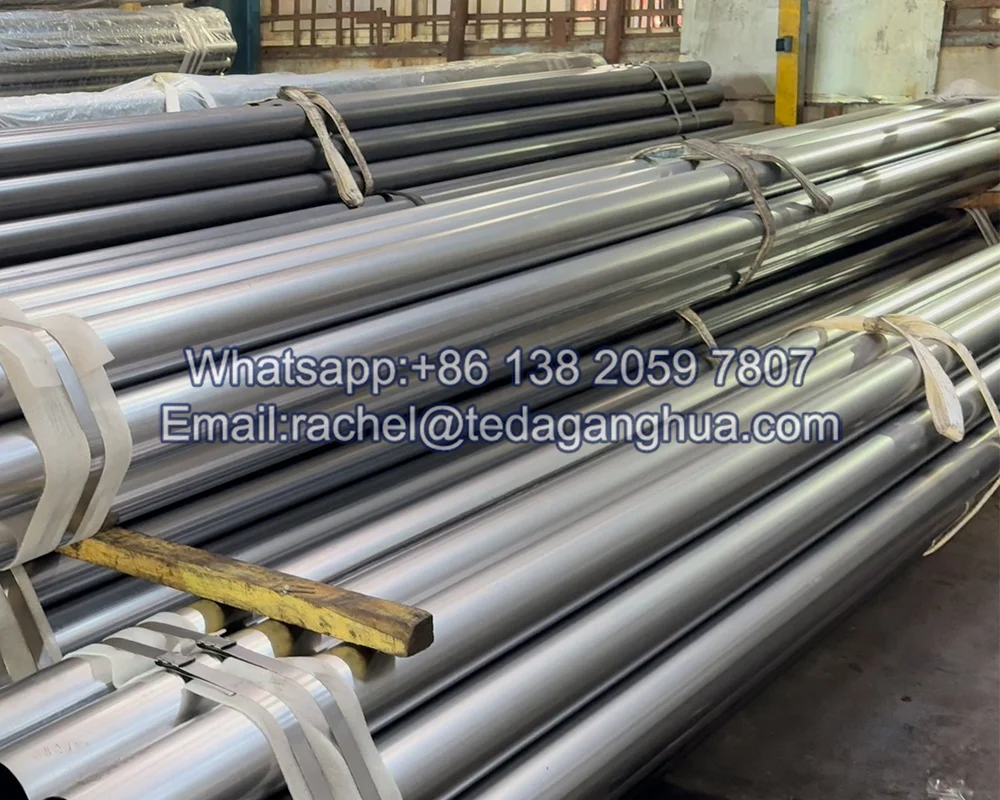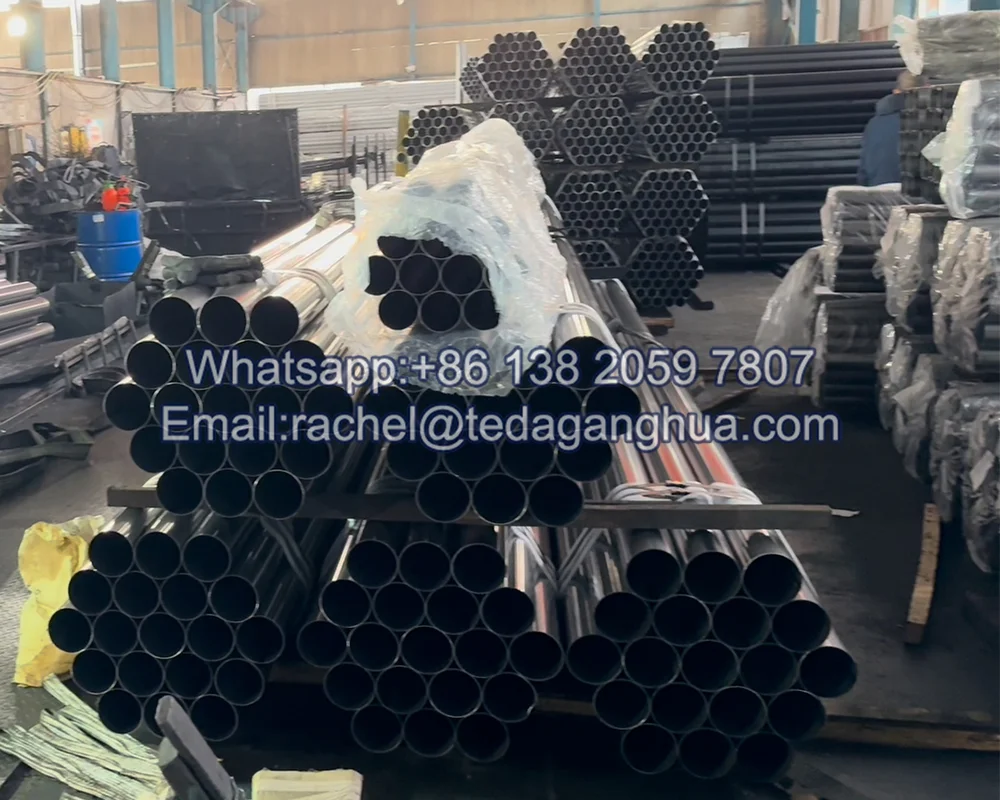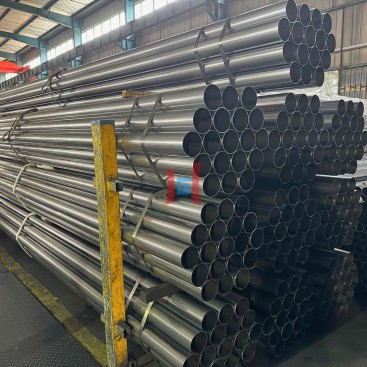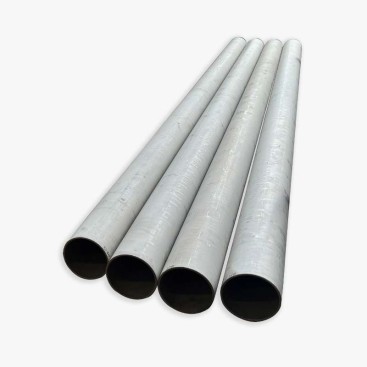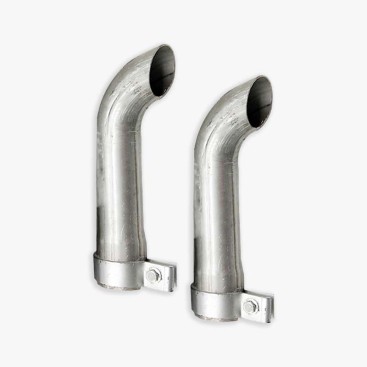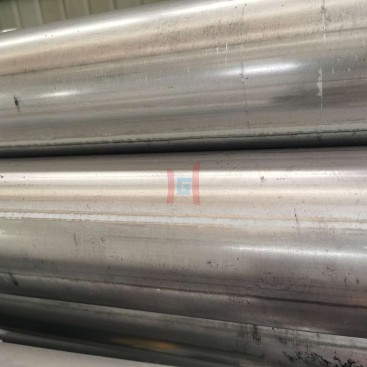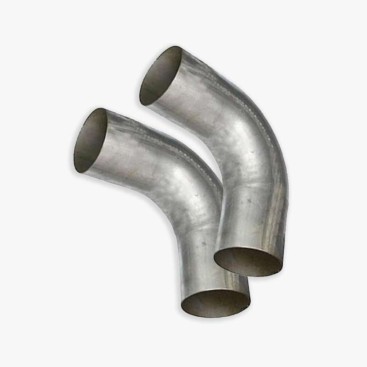
- 설명
설명
When buyers search for cold rolled aluminized steel pipe, the phrase may appear to describe a pipe manufactured by cold rolling. In most purchasing contexts, 하지만, the intended meaning is different: the steel substrate used to manufacture the pipe is cold-rolled steel. The distinction is more than a grammar issue. It affects the expected wall thickness, 표면 상태, dimensional consistency, and material cost. A clear purchase specification should identify the substrate condition directly instead of relying only on the phrase cold rolled.
1. What Does “Cold Rolled” Actually Modify?
Consider the product description “cold rolled aluminized steel pipe.” Grammatically, the words can be read in more than one way. Technically, the more useful interpretation is that the pipe is manufactured from cold-rolled steel substrate and then receives an aluminum-based coating.
| Possible Reading | Technical Meaning | Assessment |
|---|---|---|
| Cold-rolled aluminized steel pipe | The pipe itself has been cold rolled | Usually misleading |
| Aluminized steel pipe made from cold-rolled substrate | Cold-rolled steel is used as the starting material for pipe production | Technically clearer |
A conventional welded steel pipe is generally produced by forming flat steel strip or coil into a tubular shape and joining the edges through a welding process. The pipe may undergo subsequent sizing, straightening, or other finishing operations, but these processes do not mean that the finished pipe itself is cold rolled in the usual flat-steel sense.
그러므로, in this product description, cold rolled normally refers to the condition of the flat steel substrate before pipe forming. To avoid ambiguity, buyers should use wording such as “aluminized steel pipe manufactured from cold-rolled steel strip.”
2. How the Substrate Becomes a Steel Pipe
Understanding the manufacturing sequence makes the wording easier to interpret. In a typical welded-pipe route using coated steel strip, the flat substrate is prepared first, then formed into a tubular shape, 용접된, and finished according to the product requirements.
The starting material is produced as hot-rolled or cold-rolled steel strip, depending on the required grade, 두께, and surface condition.
The steel receives the specified aluminum or aluminum-silicon coating through the agreed coating route.
The flat strip is progressively formed into a tubular shape.
The longitudinal seam is joined, followed by sizing, straightening, 절단, and inspection as specified.
The finished tubular product is checked against the agreed dimensional, mechanical, 코팅, and appearance requirements.
The exact production sequence depends on the supplier’s manufacturing route. Some products are formed from pre-coated strip, while other routes apply coating after pipe forming. Buyers should confirm the actual process, especially when coating continuity at the weld seam, internal surface coverage, or post-forming coating damage is important.
3. Cold-Rolled Substrate vs Hot-Rolled Substrate
The choice of substrate has practical consequences for the finished pipe. Cold-rolled and hot-rolled steel are produced through different rolling processes, which influence their typical thickness range, 표면 상태, dimensional control, and cost structure.
| 비교 | Cold-Rolled Substrate | Hot-Rolled Substrate |
|---|---|---|
| Typical thickness range | Commonly available in thinner gauges | Commonly used for thicker material |
| 표면 상태 | Generally smoother and more uniform | Generally rougher, depending on scale removal and finishing |
| Thickness control | Often offers tighter thickness tolerances | Tolerance depends on the rolling route and product specification |
| Cost consideration | Additional processing generally increases material cost | Often more economical for thicker sections |
| Typical selection focus | Thin wall, surface appearance, and dimensional consistency | Thicker wall and cost-sensitive structural or industrial requirements |
These are general tendencies, not guaranteed properties of every product. Actual thickness availability, 표면 품질, and dimensional tolerances depend on the steel grade, production line, coating process, and purchase specification.
For buyers, the key point is that specifying a cold-rolled substrate may indicate a preference for thinner material, a smoother starting surface, or tighter thickness control. It does not automatically guarantee a particular finished-pipe tolerance or coating appearance.
4. 왜 “Cold Rolled” Is Not a Complete Acceptance Requirement
A purchase order that only states cold rolled leaves several important questions unanswered. It does not define the actual substrate thickness, allowable thickness deviation, surface finish, coating type, or finished pipe dimensions.
예를 들어, two suppliers may both quote cold-rolled substrate but offer different thicknesses, surface conditions, and tolerance levels. Both descriptions may be technically correct, yet the finished pipes may not meet the same production or application requirements.
A better purchasing approach
Specify the substrate type, actual thickness, thickness tolerance, and required surface condition. These details can be checked against material documents and inspection results more directly than the general phrase cold rolled.
There is no universal minimum thickness that applies to every cold-rolled aluminized pipe. The achievable range depends on the substrate mill, coating line, strip width, 강철 등급, 코팅 요구 사항, and pipe-forming equipment. Buyers should request confirmation from the actual production line instead of relying on a general thickness figure.
5. What Should Buyers Specify Instead?
A more reliable inquiry describes the material in measurable terms. Rather than using cold rolled as the only substrate requirement, buyers should specify the starting material and the properties that matter to the finished pipe.
| Specification Item | What to State | Why It Matters |
|---|---|---|
| Substrate type | Cold-rolled or hot-rolled steel strip | Identifies the starting material condition |
| Substrate thickness | Nominal thickness in mm | Defines the material gauge before forming and coating, as agreed |
| 두께 공차 | Positive and negative tolerance | Makes dimensional acceptance measurable |
| 표면 상태 | Required substrate finish or finished coating appearance | Clarifies the expected surface quality |
| 코팅 종류 | Aluminum or aluminum-silicon alloy, with applicable designation | Prevents confusion between different coating systems |
| Pipe dimensions | Outside diameter × wall thickness × length | Defines the finished tubular dimensions |
| 점검 | Dimensional, 코팅, mechanical, and documentation requirements | Establishes how product conformity will be verified |
One point needs particular attention: substrate thickness and finished pipe wall thickness are not always interchangeable measurement terms. The coating adds material to the surface, and forming and welding can also influence the final dimensions. The purchase agreement should state which measurement is being specified and how it will be inspected.
6. A Clearer Order Description for Aluminized Steel Pipe
For an industrial order, the following description is more precise than simply writing cold rolled aluminized steel pipe:
Recommended purchase description
Aluminized steel pipe manufactured from cold-rolled steel strip, specified steel grade, nominal substrate thickness and tolerance, coating type, outside diameter × wall thickness, 길이, and agreed surface and inspection requirements.
If the application requires an aluminum-silicon alloy coating, state that composition explicitly rather than using aluminized as the only coating description. If the application requires commercially pure aluminum coating, specify that separately. The coating designation, 제조 경로, and applicable product standard should be confirmed with the supplier.
This approach separates three different technical questions:
- What is the substrate? Cold-rolled or hot-rolled steel, with grade and thickness.
- What is the coating? Aluminum or aluminum-silicon alloy, with the required coating specification.
- What is the finished product? Pipe dimensions, 길이, seam condition, 표면 요구 사항, 및 검사기준.
When these details are included in the order, the supplier can evaluate the production route more accurately, and the buyer has measurable requirements for quality inspection and acceptance.
7. 테다강화: Substrate and Coating Specification Support
Teda Ganghua Metal is a steel stockist based in Tianjin TEDA, ~와 함께 20 years of steel stockist and export experience. The company supports international buyers with material sourcing, specification coordination, 처리 서비스, 품질 문서, and export shipment arrangements.
For customers sourcing 알루미늄 도금 강철 튜브, Teda Ganghua can help clarify the difference between the substrate condition and the finished pipe requirements. This includes confirming whether cold-rolled or hot-rolled steel is required, checking the requested thickness and tolerance, and coordinating the specified aluminum-based coating.
Depending on product availability and confirmed manufacturing capabilities, support may include:
- Steel grade and substrate specification confirmation.
- 두께, 용인, and dimensional requirement coordination.
- Aluminum and aluminum-silicon coating specification review.
- 절단, 용접, 굽힘, and other processing services where applicable.
- Material Test Certificates and material traceability documentation.
- Third-party inspection arrangements and shipment verification.
Teda Ganghua maintains substantial steel inventory and works with established steel mill partners to support different industrial purchasing requirements. The company emphasizes accurate specification confirmation, shipment quantity verification, and material quality documentation.
Buyers are welcome to arrange inspections before shipment to verify the agreed material, 치수, 수량, and quality requirements. For orders involving coated steel pipes, confirming the substrate type and coating route before production helps reduce misunderstandings and improves acceptance control.
자주 묻는 질문
1. Does cold rolled aluminized steel pipe mean the pipe itself is cold rolled?
Usually not. In common purchasing usage, cold rolled describes the steel strip or substrate used to manufacture the pipe. The strip is formed into a tube and welded, with subsequent finishing operations as required.
2. What is the main difference between cold-rolled and hot-rolled substrate?
Cold-rolled substrate is generally available in thinner gauges and has a smoother surface with tighter thickness control. Hot-rolled substrate is commonly used for thicker material and may offer a lower material cost. Actual performance depends on the grade and production specification.
3. Is there a universal minimum thickness for cold-rolled aluminized steel pipe?
아니요. The achievable thickness depends on the steel substrate, coating line, strip width, forming equipment, and manufacturing route. Buyers should confirm the available range and tolerance with the actual supplier.
4. What should buyers specify instead of only writing cold rolled?
Specify the substrate type, 강철 등급, nominal thickness, thickness tolerance, 표면 상태, coating type, 완성된 파이프 치수, 및 검사 요구 사항. 이러한 세부정보를 통해 주문을 더 쉽게 확인할 수 있습니다..
5. 냉간 압연된 기질이 더 나은 마감 파이프를 보장합니까??
자동이 아님. 시작 두께와 표면 일관성에 이점을 제공할 수 있습니다., 그러나 완성된 파이프의 품질도 성형에 따라 달라집니다., 용접, 코팅 연속성, 사이징, 및 검사. 최종 합격 요건은 별도로 명시되어야 함.