- Penerangan
Penerangan
Galvanized vs Aluminized Exhaust Pipe: A DIY Builder’s Guide to Choosing the Right Material
For DIY exhaust builders, choosing the correct pipe material is one of the most important decisions before fabrication begins. A cheaper pipe may save money during the first installation, but replacing a failed exhaust system several months later can cost much more in labor, time, and materials.
Keluli bergalvani, keluli beraluminium, and stainless steel are often compared by DIY enthusiasts. Namun begitu, these materials have very different performance characteristics. Understanding their temperature resistance, perlindungan kakisan, keperluan kimpalan, and long-term value helps avoid expensive mistakes.
The Basic Choice: Cheap Now or Reliable Later?
DIY exhaust projects usually balance three factors: material cost, fabrication difficulty, and service life.
| bahan | Kelebihan | Main Limitation | DIY Recommendation |
|---|---|---|---|
| Keluli Tergalvani | Lowest initial cost | Poor high-temperature durability | Not recommended |
| Keluli Beralumi | Good heat resistance and affordable cost | Coating damage requires attention | Best value choice |
| 409/304 Keluli Tahan Karat | Long service life and corrosion resistance | Kos bahan yang lebih tinggi | Premium option |
Why Galvanized Pipe Often Fails in DIY Exhaust Projects
Galvanized steel is designed for general corrosion protection in normal atmospheric conditions. The zinc coating protects steel by acting as a sacrificial layer, but exhaust systems create a much harsher environment.
- Exhaust temperatures can exceed the practical limit of zinc coatings.
- Thermal cycling accelerates coating degradation.
- Condensation inside exhaust pipes creates acidic corrosion conditions.
- Welding removes zinc protection near joints.
A common DIY mistake is selecting galvanized pipe because it is inexpensive and easy to find. The result can be corrosion failure within months under severe operating conditions, requiring the entire fabrication process to be repeated.
Material Cost Comparison for a DIY Exhaust System
The following table shows a general material cost comparison for a complete exhaust fabrication project. Actual costs depend on pipe diameter, ketebalan, vehicle design, and supplier conditions.
| Jenis Bahan | Initial Material Cost Level | Expected Maintenance | Long-Term Value |
|---|---|---|---|
| Paip Bergalvani | Lowest | Frequent replacement risk | rendah |
| Paip Keluli Beraluminium | Sederhana | Occasional coating repair after fabrication | tinggi |
| 409 Keluli Tahan Karat | Lebih tinggi | Low maintenance | Sangat Tinggi |
| 304 Keluli Tahan Karat | Premium | Minimal maintenance | Highest |
Fabrication Differences for DIY Builders
Material selection affects cutting, membongkok, dan operasi kimpalan. DIY builders should understand how each material behaves during fabrication.
| Fabrication Process | Keluli Beralumi | Keluli Tergalvani |
|---|---|---|
| Memotong | Easy, but coating damage should be protected | Easy, but zinc coating requires safety precautions |
| Membongkok | Suitable for exhaust fabrication | Possible, but coating damage affects corrosion resistance |
| Kimpalan | Repair coating around weld areas | Requires strong ventilation due to zinc fumes |
Common DIY Exhaust Mistakes
- Choosing galvanized pipe only because it is inexpensive.
- Ignoring internal condensation corrosion.
- Failing to repair damaged protective coating after welding.
- Replacing the same failed exhaust system multiple times instead of upgrading materials.
A small saving during material selection can become a larger expense when labor, vehicle downtime, and repeated fabrication are included.
Recommended Material Selection by Exhaust Location
Different sections of an exhaust system experience different temperatures and corrosion conditions. A mixed-material approach is often the most practical solution.
| Exhaust Section | Recommended Material | Reason |
|---|---|---|
| Header / Front Section | 409 atau 304 Keluli Tahan Karat | Highest temperature exposure |
| Middle Pipe Section | Keluli Beralumi | Good balance of cost and durability |
| Tail Pipe Section | Aluminized Steel or Stainless Steel | Depends on climate and service expectations |
Best Choice for DIY Exhaust Builders
For most DIY exhaust projects, aluminized steel provides the best balance between performance and cost. It offers much better temperature resistance than galvanized steel while remaining more affordable than stainless steel.
For builders who want a one-time installation with maximum durability, 304 stainless steel remains the premium solution.
Teda Ganghua Aluminized Steel Tube Solutions
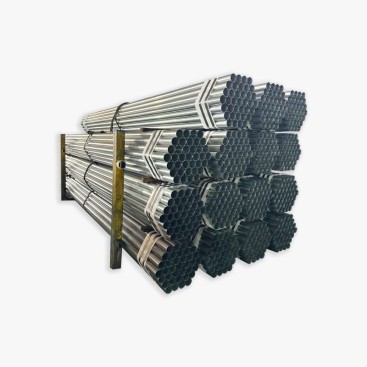
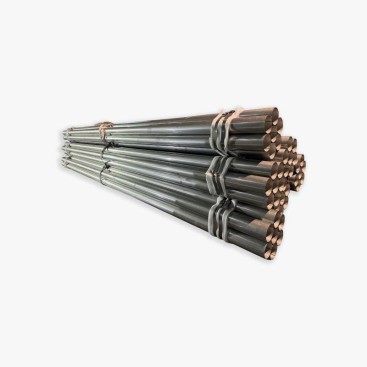
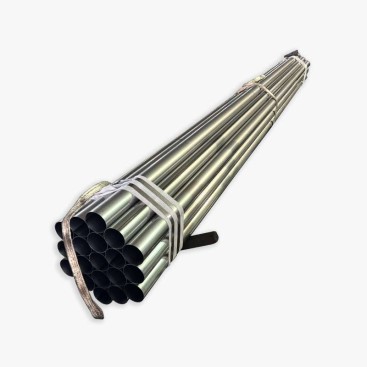
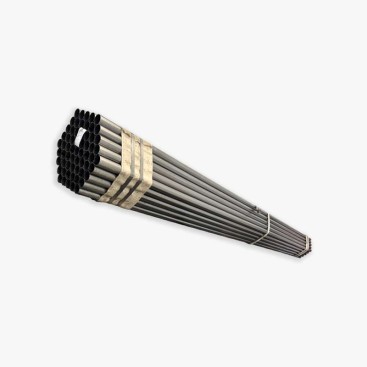
Teda Ganghua supplies aluminized steel tube products designed for automotive exhaust systems and high-temperature applications. The aluminum-silicon coating provides oxidation resistance and corrosion protection while maintaining the mechanical strength of the steel tube structure.
For DIY builders, exhaust fabricators, and industrial users seeking reliable coated steel tubing, Teda Ganghua provides tiub keluli beraluminium suitable for exhaust manufacturing and thermal environments.
Soalan Lazim
1. Is galvanized pipe good for DIY exhaust projects?
Tidak. Zinc coating performance decreases rapidly at exhaust temperatures, making galvanized pipe unsuitable for long-term exhaust use.
2. What is the best budget material for DIY exhaust fabrication?
Aluminized steel is usually the best balance between cost, rintangan haba, and service life.
3. Should aluminized steel be repaired after welding?
Ya. Pembaikan salutan pelindung di sekitar kawasan yang dikimpal membantu mengekalkan rintangan kakisan.
4. Adakah 304 keluli tahan karat bernilai kos tambahan?
Untuk projek jangka panjang atau kenderaan prestasi, ketahanan yang lebih tinggi boleh mewajarkan pelaburan tambahan.
5. Bagaimana pembina DIY boleh mengelakkan masalah penggantian ekzos?
Pilih bahan yang direka bentuk untuk suhu ekzos dan pertimbangkan jumlah kos pemilikan dan bukannya harga paip awal sahaja.