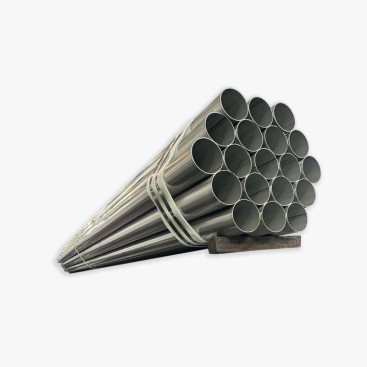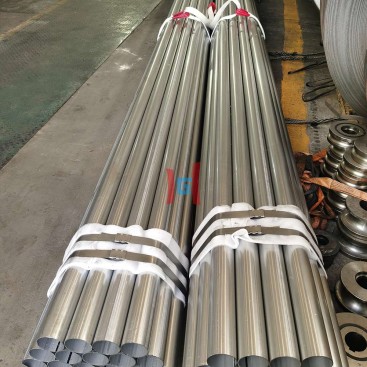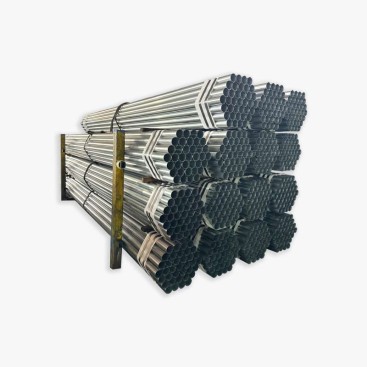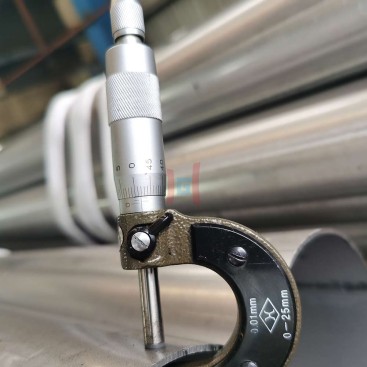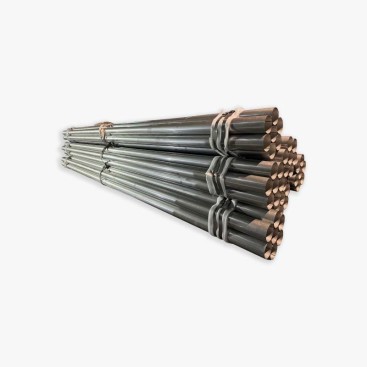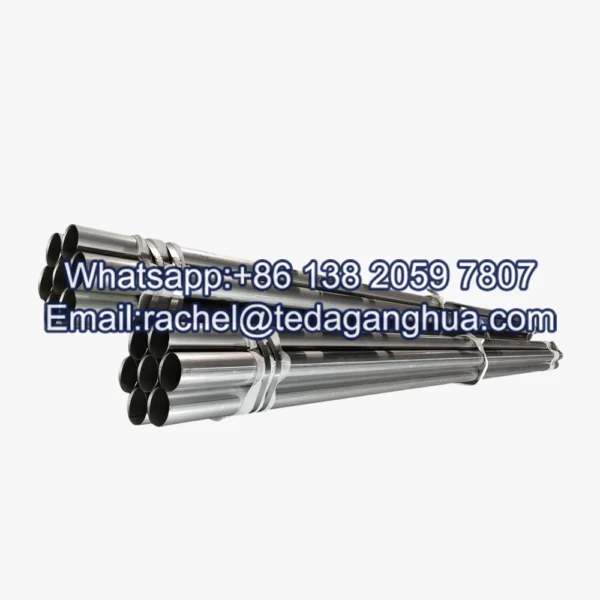
Aluminised Steel Exhaust
Aluminised Steel Exhaust is widely used because it offers a strong balance between performance, cost, and manufacturability. Its heat resistance, corrosion protection, and easy processing make it a practical material for modern exhaust systems, especially in OEM and standard automotive applications.
- Description
Description
Aluminised Steel Exhaust is widely used in automotive and industrial exhaust systems due to its balanced performance, cost efficiency, and heat resistance. It is made by coating carbon steel with an aluminum-silicon layer, which significantly improves its ability to withstand high-temperature and corrosive environments.
This material has become a standard choice for many OEM and aftermarket exhaust systems.
Why Aluminised Steel Is Used in Exhaust Systems
Exhaust systems operate under extreme conditions, including high heat, moisture, and corrosive gases. Aluminised steel is selected because it performs well in these environments while remaining cost-effective.
1. High Temperature Resistance
Exhaust systems experience continuous high heat from engine operation. The aluminum-silicon coating helps protect the steel surface from oxidation at elevated temperatures, improving durability under thermal stress.
2. Corrosion Protection
One of the main advantages of Aluminised Steel Exhaust is its resistance to corrosion. The protective coating acts as a barrier against:
- Moisture
- Road salt
- Exhaust condensation
- Environmental exposure
This helps extend service life compared to plain carbon steel.
3. Cost Efficiency
Compared to stainless steel, aluminised steel provides a more economical solution for mass production exhaust systems. It offers acceptable durability at a lower material cost, making it ideal for:
- OEM vehicle production
- Standard passenger cars
- Budget-sensitive applications
4. Good Fabrication Performance
Aluminised steel is easy to process during manufacturing. It supports:
- Bending and forming
- Welding and assembly
- Cutting and shaping
This makes it suitable for complex exhaust system designs.
5. Weight and Structural Balance
While maintaining strength, aluminised steel is relatively lightweight compared to some alternative materials. This helps maintain overall vehicle efficiency without compromising structural stability.
Comparison with Stainless Steel Exhaust
| Feature | Aluminised Steel Exhaust | Stainless Steel Exhaust |
|---|---|---|
| Corrosion Resistance | Good | Excellent |
| Heat Resistance | Good | Very High |
| Cost Level | Lower | Higher |
| Service Life | Medium | Long |
| Application Type | OEM and standard systems | High-performance and premium systems |
Typical Application Areas
Aluminised Steel Exhaust is commonly used in:
- Passenger vehicles
- Light trucks and SUVs
- OEM exhaust systems
- Industrial engine exhausts
- Standard replacement parts
It is especially popular in large-scale automotive production.