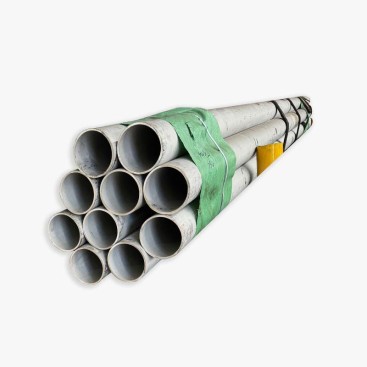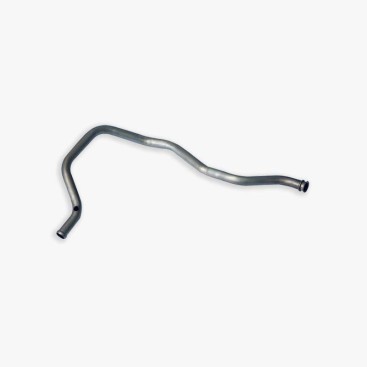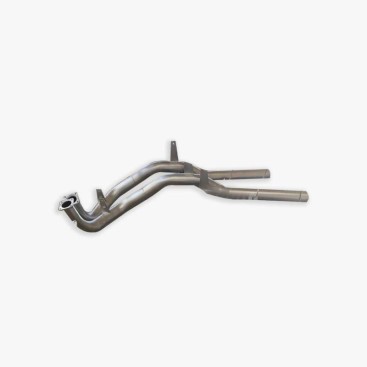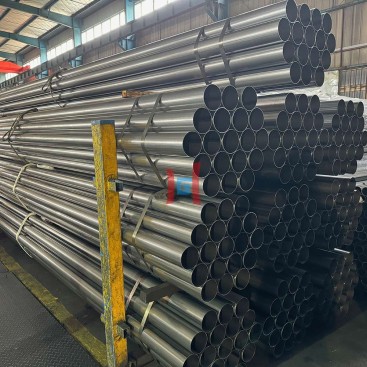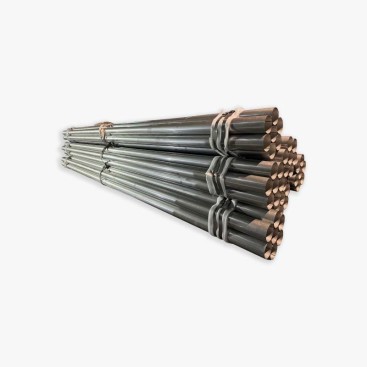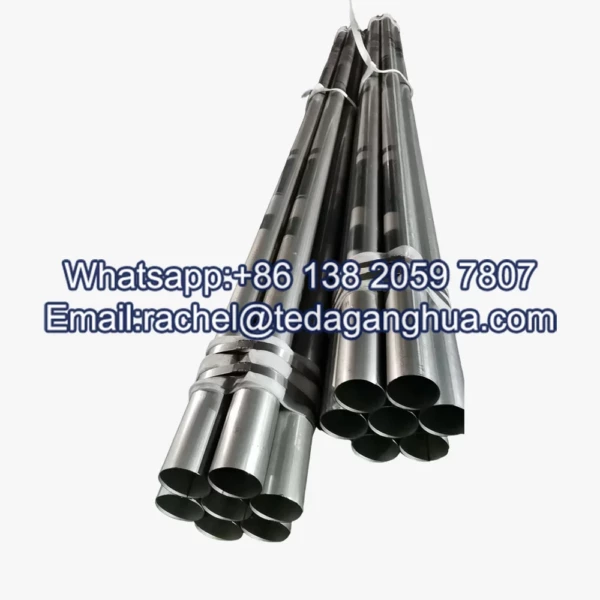
Aluminized Steel Exhaust Tubing
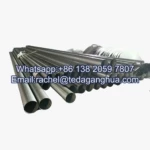
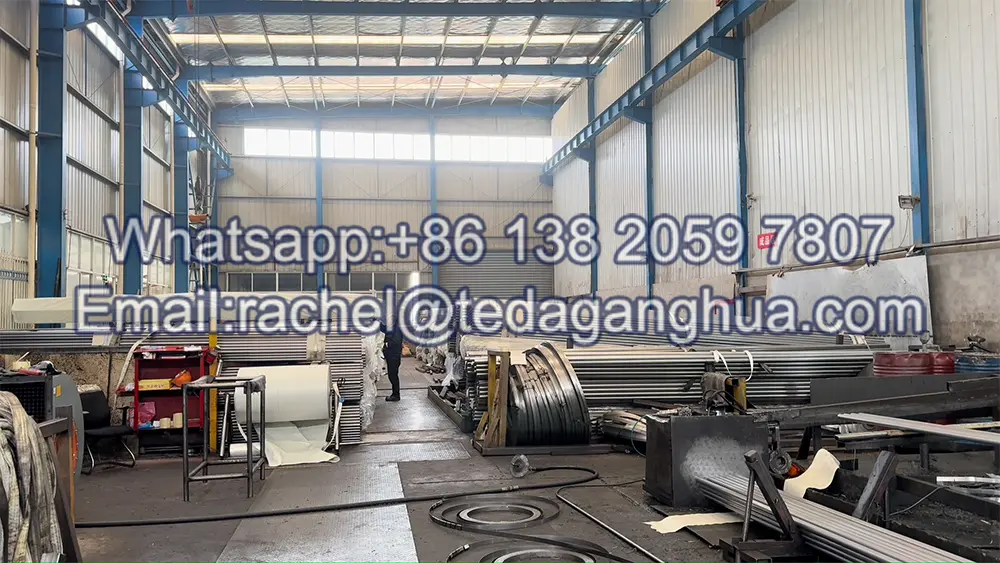
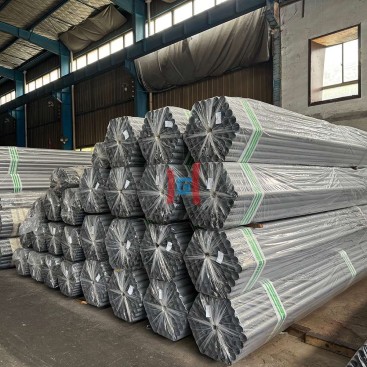
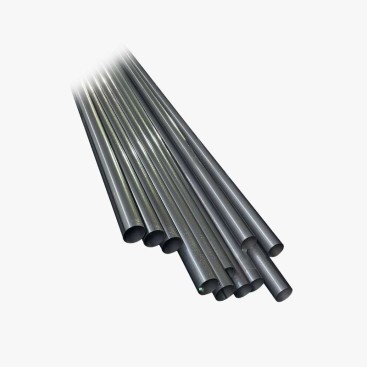
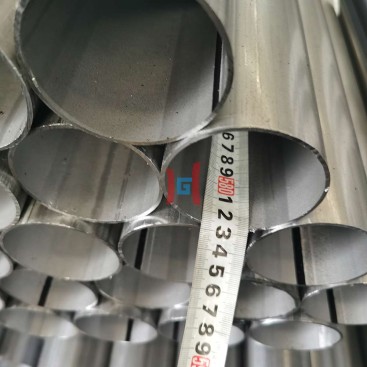
Aluminized Steel Exhaust Tubing is typically welded tubing produced from coated steel coils rather than seamless pipe. It is manufactured through forming, high-frequency welding, and sizing processes after aluminizing treatment.
- Description
Description
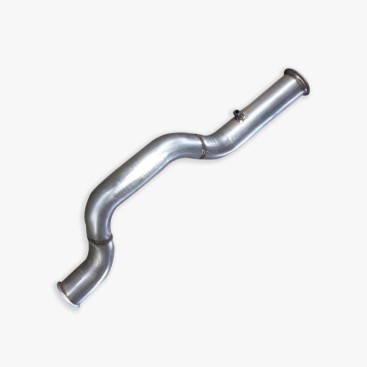
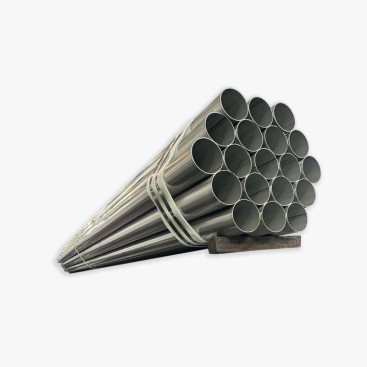
Aluminized Steel Exhaust Tubing is widely used in automotive exhaust systems because of its good heat resistance, corrosion protection, and cost efficiency. It is produced by coating carbon steel with an aluminum-silicon layer and then forming it into exhaust tubing through industrial pipe-making processes.
One of the most common questions is whether it is a welded pipe or a seamless pipe.
Is Aluminized Steel Exhaust Tubing Welded or Seamless?
In most industrial and automotive applications, Aluminized Steel Exhaust Tubing is welded tubing, not seamless pipe.
Main reason:
- It is produced from steel strip that is formed and welded into a tube
- Seamless pipe production is more expensive and usually used for high-pressure applications
- Exhaust systems do not require high internal pressure resistance like hydraulic systems
Therefore, welded tubing is the standard and most cost-effective choice.
Manufacturing Process of Aluminized Steel Exhaust Tubing
The production process involves several controlled steps to ensure strength and coating quality.
1. Base Steel Preparation
Low-carbon steel coils are selected as the base material. These coils provide good formability and weldability.
2. Aluminum-Silicon Coating Process
The steel is coated with an aluminum-silicon layer through a hot-dip or continuous coating process.
This coating provides:
- High-temperature oxidation resistance
- Improved corrosion protection
- Longer service life in exhaust environments
3. Coil Slitting and Forming
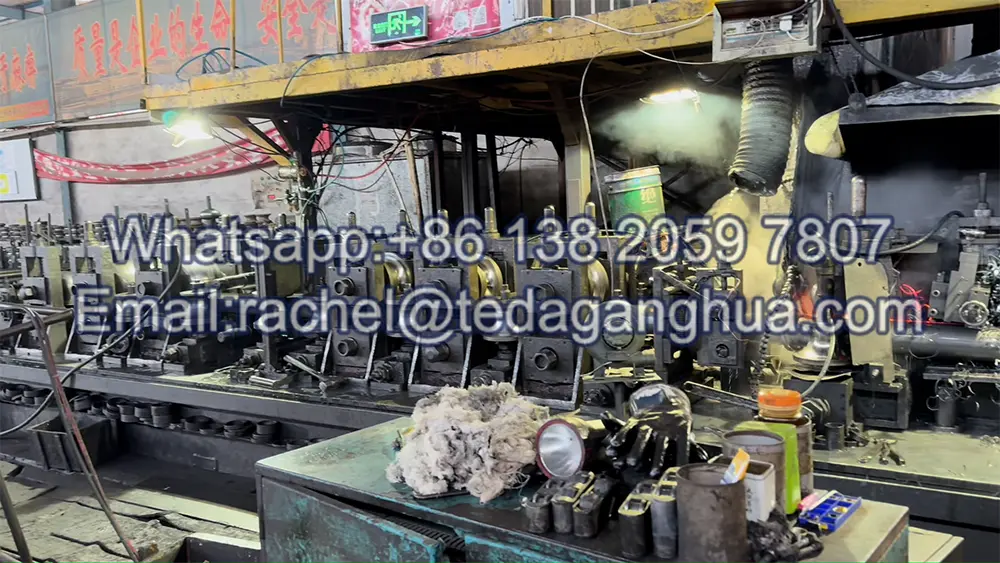
The coated steel coil is slit into required widths and then gradually formed into a round tube shape using rolling equipment.
4. High-Frequency Welding
The edges of the formed tube are joined using high-frequency electric resistance welding (ERW).
- Fast and continuous process
- Strong and stable weld seam
- Suitable for mass production
5. Sizing and Calibration
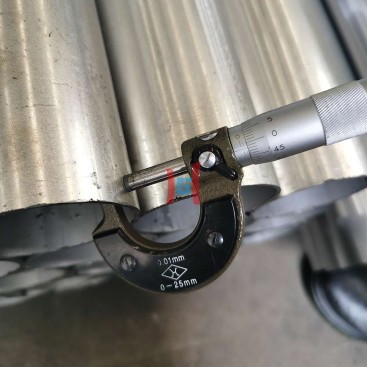
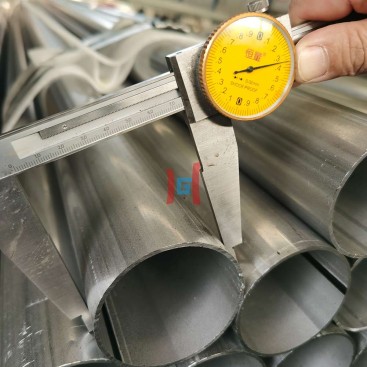
After welding, the tube passes through sizing equipment to ensure accurate diameter and roundness.
6. Cutting and Finishing
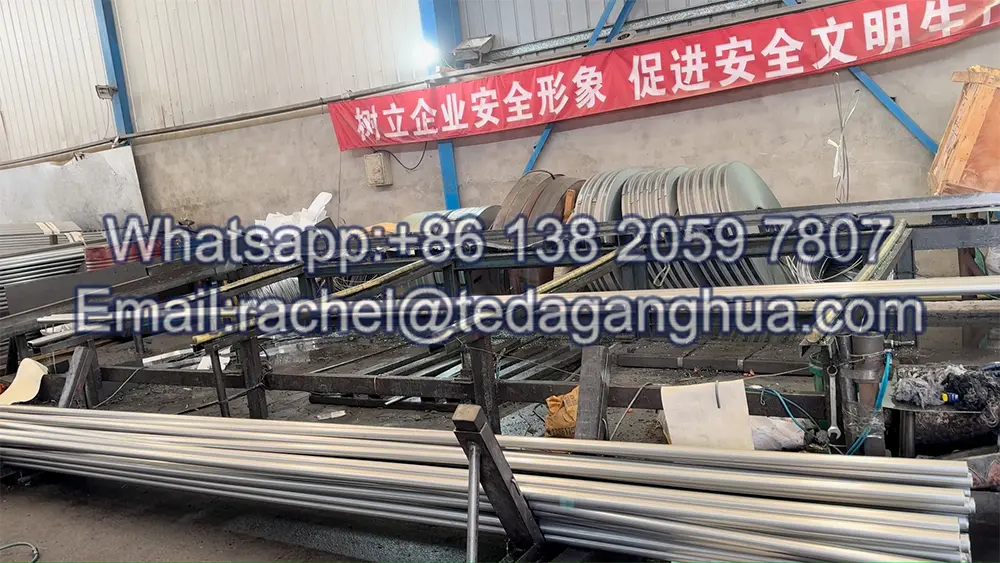
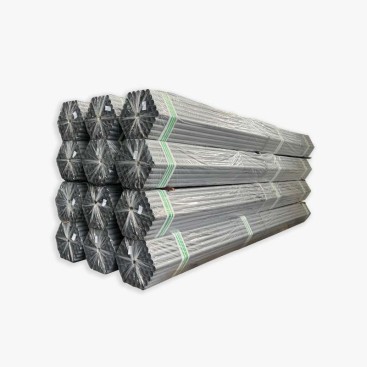
The tubing is cut into standard or custom lengths, followed by surface inspection and packaging.
Key Advantages of Welded Structure
Because it is welded rather than seamless, aluminized exhaust tubing offers:
- Lower production cost
- High manufacturing efficiency
- Consistent dimensional control
- Suitable for mass automotive production
At the same time, it still provides sufficient strength for exhaust system operating conditions.
Application Suitability
Aluminized steel welded tubing is commonly used in:
- Passenger vehicle exhaust systems
- Light trucks and SUVs
- OEM exhaust manufacturing
- Industrial engine exhaust pipelines
It is designed for medium-temperature, low-pressure exhaust environments.