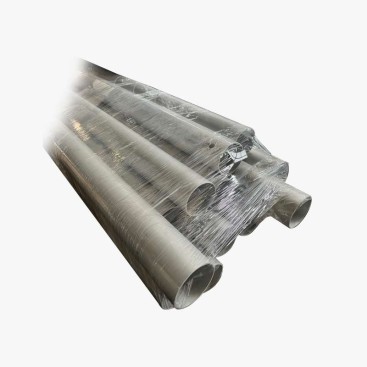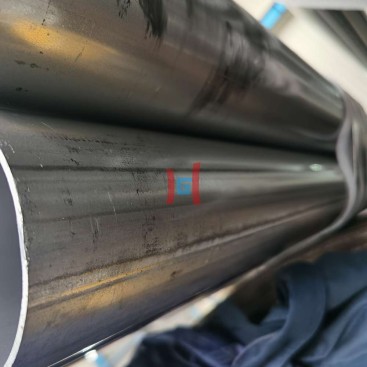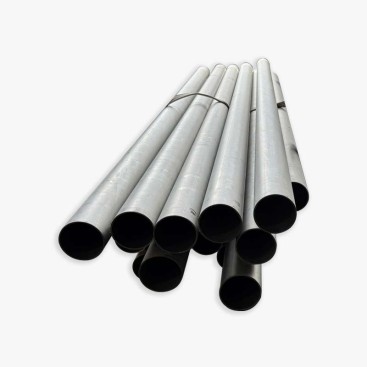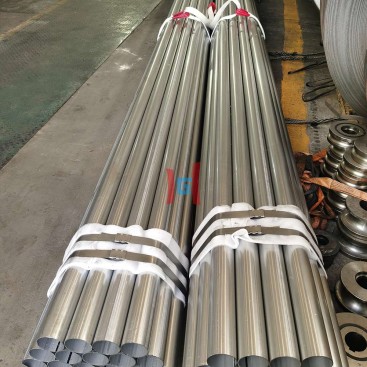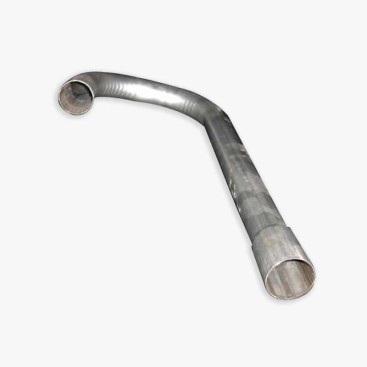
Aluminized Steel Tube
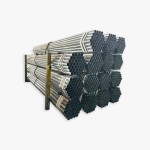
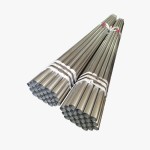
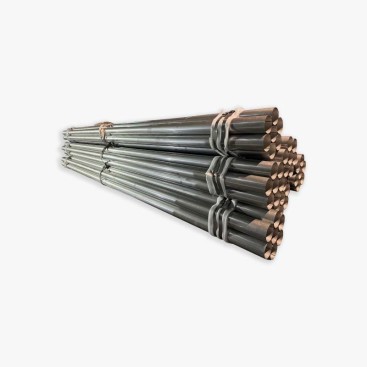
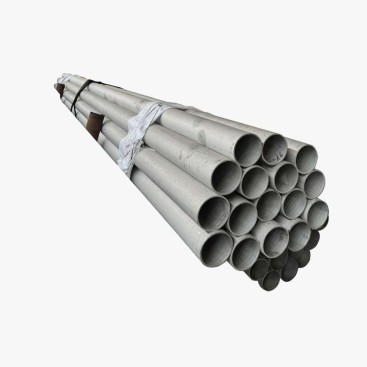
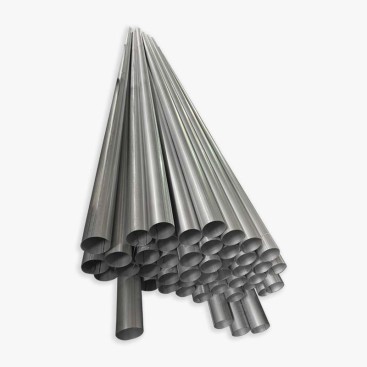
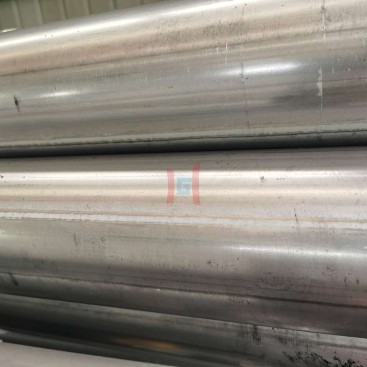
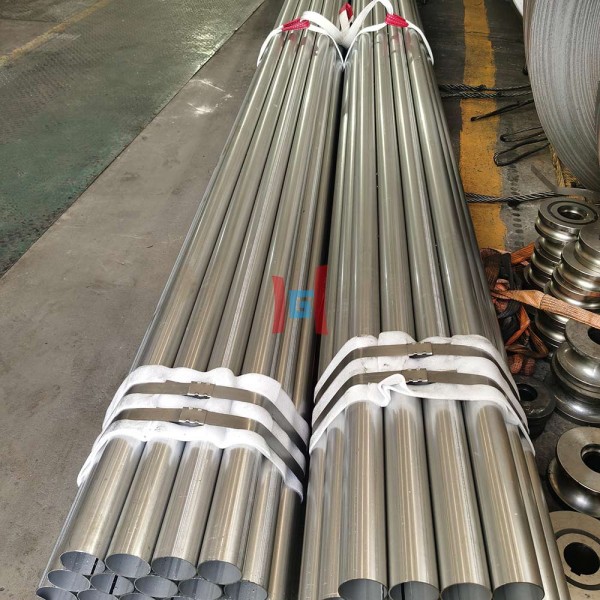
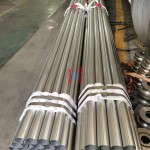
Our Aluminized Steel Tube’s raw material undergoes a continuous hot-dip process, building a coating across every millimeter of the surface.
Hot-dipping results in a tight metallurgical bond between layers of an aluminum-silicon alloy and the tube’s steel core.
The final aluminized tube possesses a combination of enhanced properties: the strength of steel sheathed in the corrosion resistance of aluminum and heat protection of aluminum-silicon alloy.
- Description
Description
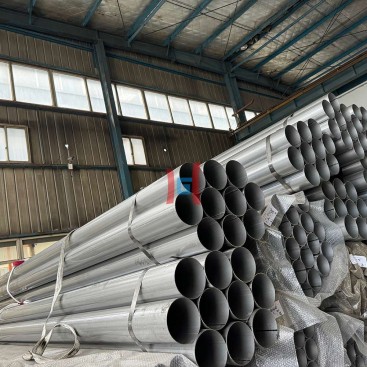
Aluminized Steel Pipe Classification
By Material: Common materials include carbon structural steels like Q195, Q235, Q345, Q355, and low-alloy high-strength steels. For high-temperature applications, boiler-grade steels such as 20G are also used in aluminized steel pipes.
By Size:
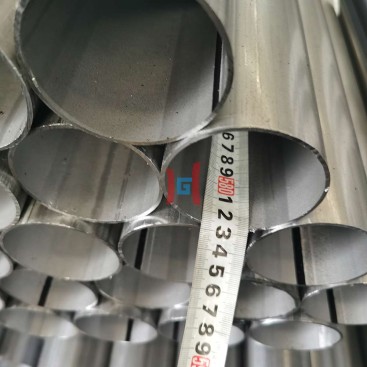
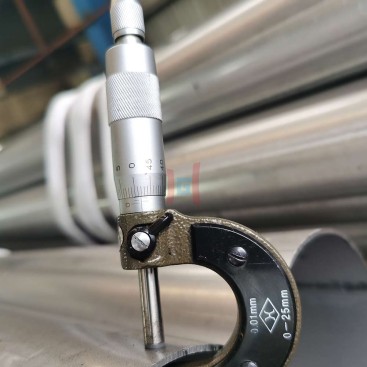
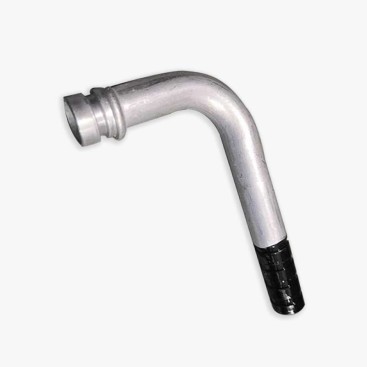
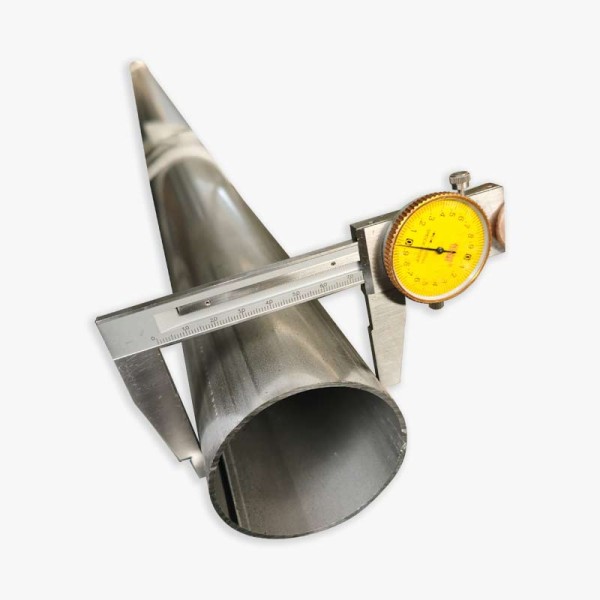
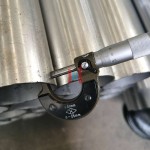
Outer Diameter: Ranges from 7.94 mm (0.3125″) to 127 mm (5″), with 50–127 mm OD commonly used for automotive exhaust pipes.
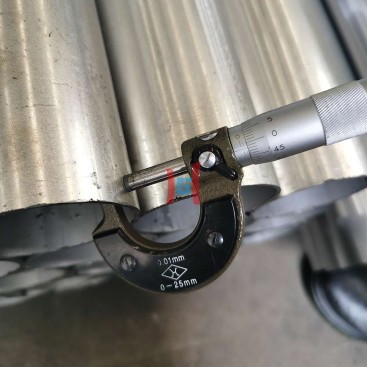
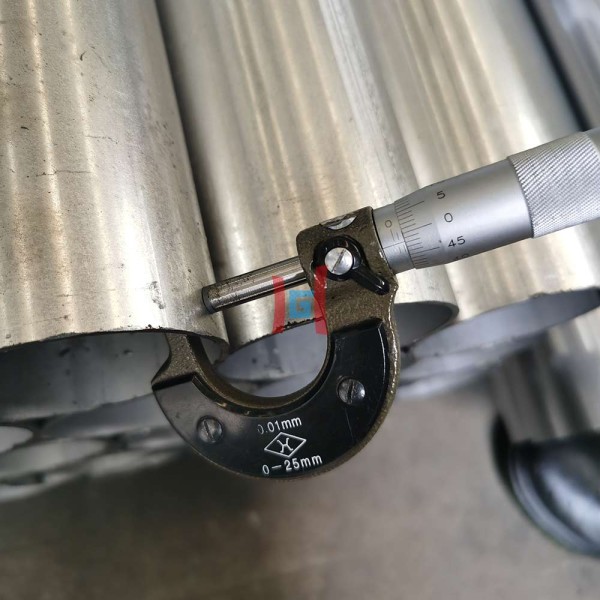
Wall Thickness: Typically 0.71 mm (0.028″) to 3.05 mm (0.120″). A 1.5 mm wall thickness is popular for auto exhaust applications.
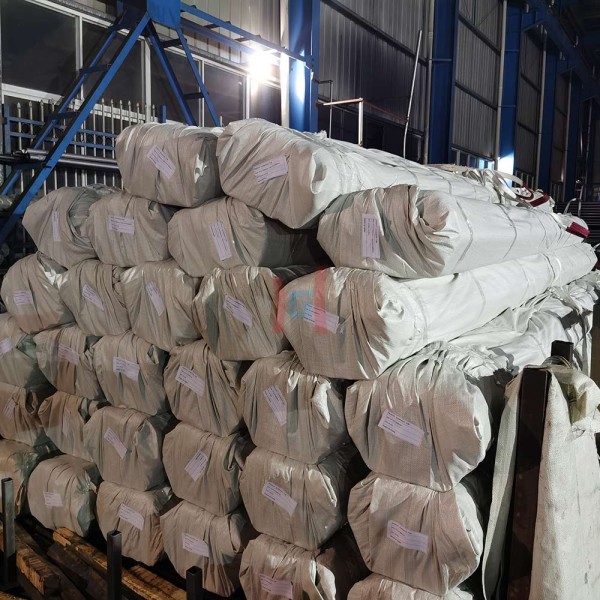
Length: Customizable, generally from 31.75 mm (1.25″) to 6096 mm (240″).
By Coating Type:
Type 1: Aluminum-silicon alloy coating for excellent heat and corrosion resistance.
Type 2: Pure aluminum coating for targeted corrosion protection in specific conditions.
By Standards:
ASTM A463/A463M: Defines hot-dip aluminized steel sheet specs, suitable for aluminized steel pipes.
JIS H 8642: Covers hot-dip aluminum coatings on iron-based products.
Pipes meeting these standards include proper model markings and technical parameters for quality assurance.
Application
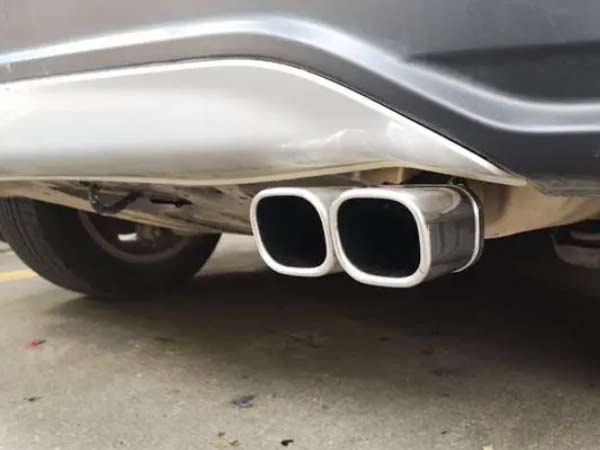
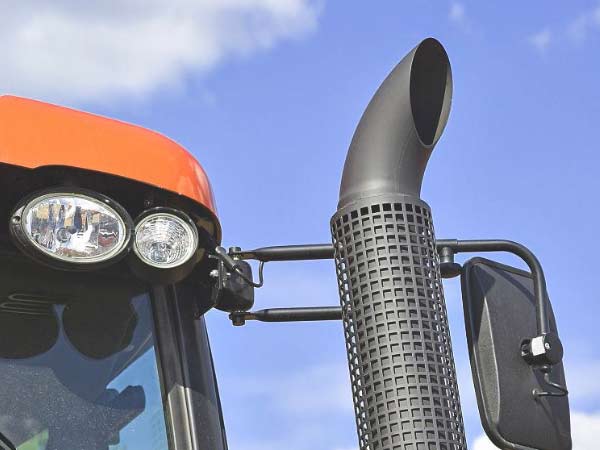
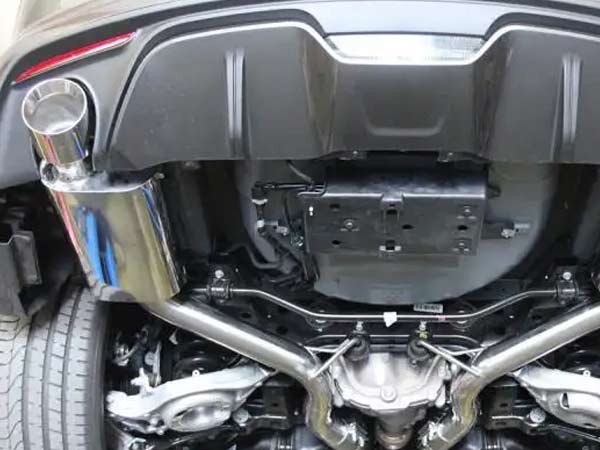
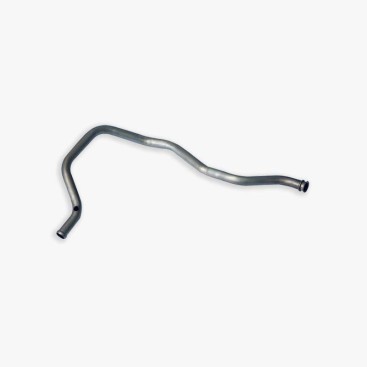
Aluminized steel’s heat shield makes it an ideal, cost-effective choice for fabrications exposed to punishing temperatures: automotive exhaust, plus HVAC and equipment, such as water heaters, furnaces heat exchangers, space heaters, ranges and appliances of multiple sizes. It also performs nicely against exposure to salts.