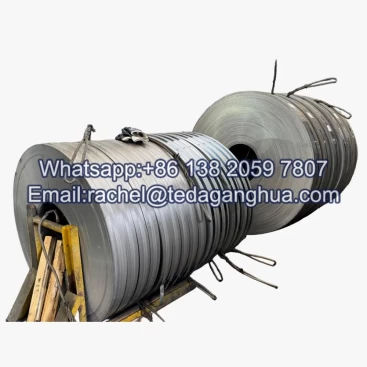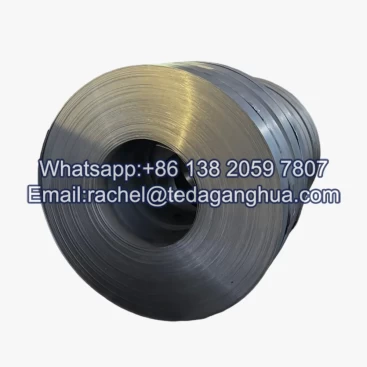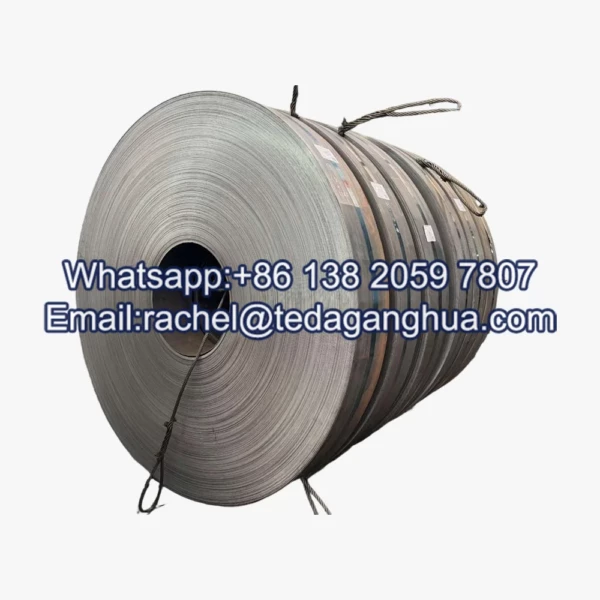
Aço aluminizado por imersão a quente
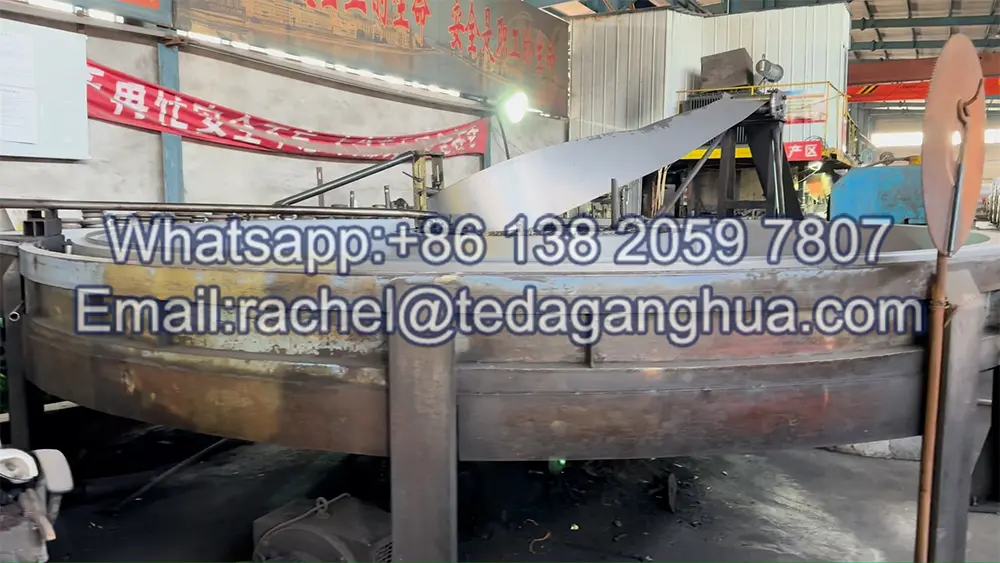
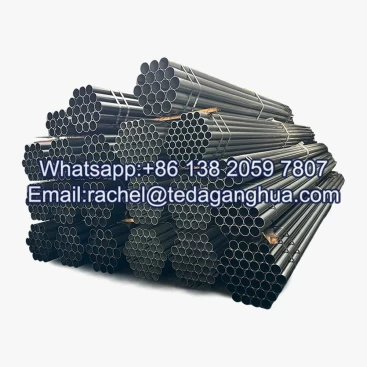
The Hot-Dip Aluminized Steel manufacturing process combines advanced surface preparation, continuous annealing, precise aluminum-silicon coating, and strict quality control. The result is a durable steel product with excellent oxidation resistance, proteção contra corrosão, resistência ao calor, and thermal reflectivity, tornando-o amplamente utilizado no setor automotivo, aquecimento industrial, and high-temperature applications.
- Descrição
Descrição
Hot-Dip Aluminized Steel is produced by coating carbon steel with an aluminum-silicon alloy through a continuous hot-dip process. The coating typically contains approximately 90% alumínio e 10% silício, providing excellent heat resistance, resistência à oxidação, e proteção contra corrosão. The manufacturing process is carefully controlled to ensure uniform coating thickness and strong adhesion between the steel substrate and the coating.
Typical Coating Composition
| Elemento | Contente (%) |
|---|---|
| Alumínio (Al) | 89–95 |
| Silício (E) | 5–11 |
| Ferro (Fé) | Equilíbrio |
The addition of silicon improves coating adherence and controls the growth of the intermetallic layer between steel and aluminum.
Manufacturing Process Flow
| Process Step | Propósito |
| Steel Preparation | Select suitable cold-rolled or hot-rolled steel |
| Limpeza & Desengordurante | Remove oil, dirt, and contaminants |
| Recozimento | Improve formability and surface quality |
| Hot-Dip Coating | Apply aluminum-silicon coating |
| Air Knife Control | Adjust coating thickness |
| Cooling | Solidify and stabilize the coating |
| Inspection | Verify coating quality |
| Coil Rewinding | Prepare products for shipment |
Etapa 1: Steel Surface Preparation
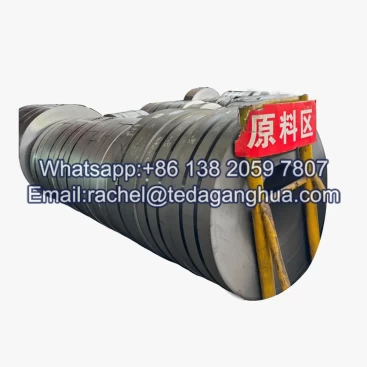
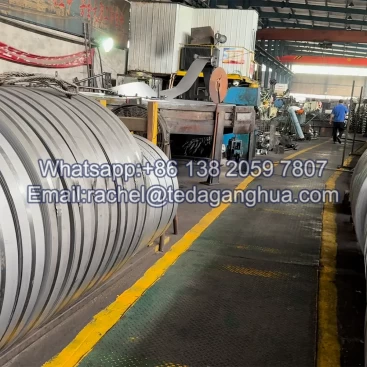
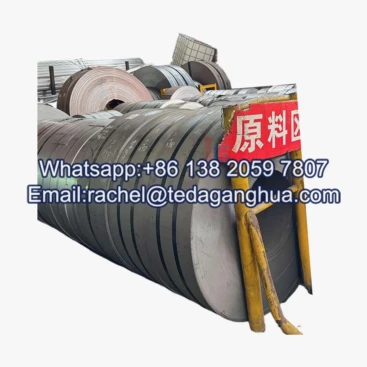
The process begins with high-quality carbon steel coils. Surface contaminants such as rolling oil, grease, and oxide scale are removed through alkaline cleaning and chemical treatment.
A clean steel surface is essential for achieving a strong metallurgical bond between the substrate and the coating.
Etapa 2: Continuous Annealing
After cleaning, the steel strip enters a continuous annealing furnace.
The annealing process:
- Relieves internal stresses
- Improves ductility
- Refines grain structure
- Enhances formability
The strip is heated under a controlled atmosphere to prevent surface oxidation before entering the coating bath.
Etapa 3: Hot-Dip Aluminum-Silicon Coating
The annealed steel strip passes through a molten aluminum-silicon bath.
Typical bath conditions are shown below:
| Parameter | Faixa Típica |
| Bath Temperature | 660–700ºC |
| Aluminum Content | 89–95% |
| Silicon Content | 5–11% |
| Line Speed | 50–180 m/min |
As the strip passes through the bath, a thin intermetallic layer forms between the steel and coating. This layer provides excellent coating adhesion and long-term durability.
Etapa 4: Coating Thickness Control
After leaving the molten bath, the strip passes through high-pressure air knives.
The air knives:
- Remove excess coating
- Control coating weight
- Ensure uniform thickness
- Improve surface appearance
Accurate thickness control is critical for achieving consistent corrosion and heat resistance.
Etapa 5: Resfriamento e Solidificação
The coated strip is cooled using controlled air or water systems.
During cooling:
- The coating solidifies
- Surface quality is stabilized
- Mechanical properties are maintained
- Coating adhesion is preserved
The final surface typically exhibits a bright metallic appearance with excellent reflectivity.
Etapa 6: Quality Inspection
Finished material undergoes rigorous testing.
Common inspection items include:
| Inspection Item | Propósito |
| Peso do revestimento | Verify coating thickness |
| Surface Quality | Detect defects |
| Adhesion Test | Confirm coating bond strength |
| Mechanical Test | Check strength and elongation |
| Dimensional Inspection | Verify width and thickness |
Only products meeting specification requirements proceed to packaging.
Advantages of the Hot-Dip Process
Distribuição Uniforme de Revestimento
A tecnologia de revestimento contínuo garante proteção consistente em toda a superfície do aço.
Ligação Metalúrgica Forte
A camada intermetálica criada durante a imersão proporciona excelente adesão do revestimento em comparação com muitos métodos alternativos de revestimento.
Alta eficiência de produção
Linhas de produção contínuas permitem a fabricação em grande volume, mantendo uma qualidade estável.
Excelente resistência ao calor
O revestimento de alumínio-silício pode suportar temperaturas significativamente mais altas do que o aço revestido de zinco convencional.