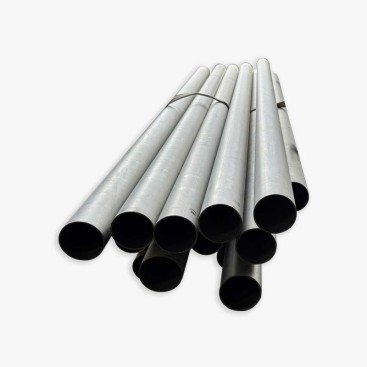
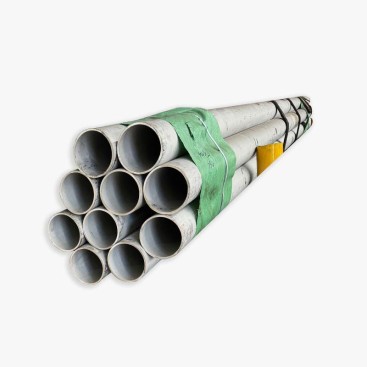
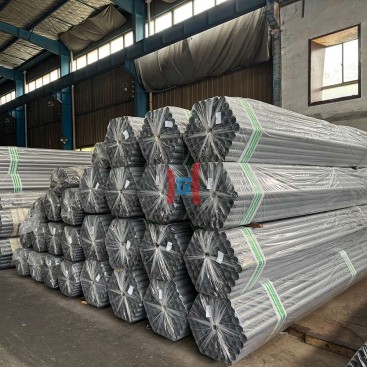
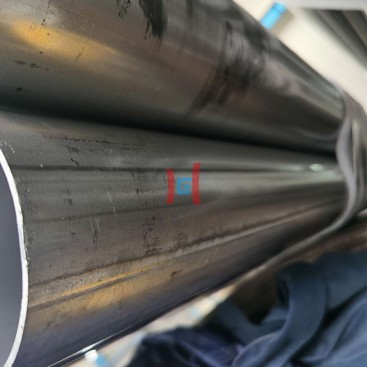
Tubo de aço revestido de silicone de alumínio por imersão a quente


- Descrição
Descrição
Why Silicon Matters in Aluminized Coating: The 9–10% Si Secret Behind Superior Heat Resistance
Hot dip aluminum silicon coated steel tube refers to steel tubing coated with an aluminium-silicon (Al-Sim) alloy layer, typically containing ~9–10% silicon. This small but critical alloying addition dramatically improves coating performance in high-temperature and corrosive environments.
The key engineering question is: why is silicon added to aluminium coating at all? The answer lies in controlling intermetallic growth and improving coating stability.
1. The Role of Silicon in Al-Si Coating
| Function of Silicon | Technical Effect |
|---|---|
| Suppress brittle Fe-Al intermetallic growth | Prevents excessive formation of hard, crack-prone Fe₂Al₅ layers |
| Improve coating adhesion | Enhances bonding between steel substrate and aluminium layer |
| Stabilize coating structure | Reduces coating spalling during thermal cycling |
| Extend heat resistance range | Improves performance in 600–800°C environments |
Sem silício, pure aluminium coatings tend to form excessively brittle intermetallic layers that reduce ductility and durability.
2. Coating Microstructure: Al vs Al-Si
| Tipo de revestimento | Microstructure Behavior |
|---|---|
| Pure Aluminium Coating | Thicker brittle Fe-Al intermetallic layer, higher cracking risk |
| Al-Sim (9–10% Si) | Controlled thin intermetallic layer, improved ductility |
Silicon acts as a microstructure regulator, controlling diffusion at the steel–coating interface.
3. High-Temperature Performance Advantage
| Temperature Range | Revestimento Al Puro | Al-Si Coating |
|---|---|---|
| 400–500°C | Stable but intermetallic growth begins | Stable with controlled diffusion layer |
| 600–800ºC | Risk of coating degradation | Stable performance for exhaust and furnace use |
| Thermal Cycling | Cracking risk increases | Improved resistance to fatigue and spalling |
This is why Al-Si coatings are standard in automotive exhaust systems and industrial heat applications.
4. Why Silicon Improves Adhesion
| Mechanism | Resultado |
|---|---|
| Slows iron diffusion into aluminium layer | Prevents excessive brittle phase formation |
| Refines intermetallic interface | Creates smoother transition zone |
| Improves wetting behavior of molten bath | Ensures uniform coating coverage |
O resultado é um more stable, uniforme, and durable coating system.
5. Key Application Areas
| Indústria | Aplicativo |
|---|---|
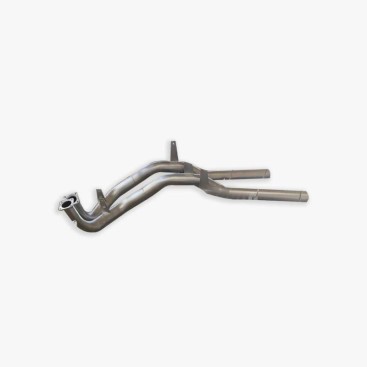
| Automotivo | Tubos de escape, catalytic systems, silenciadores |
| Aquecimento Industrial | Fornos, queimadores, dutos resistentes ao calor |
| Energy Systems | Flue gas and thermal recovery pipelines |
| Hvac | High-temperature ventilation systems |
6. Por que os compradores escolhem Teda Ganghua
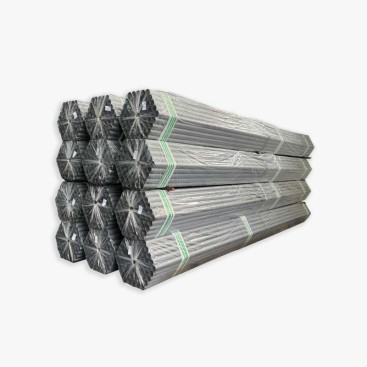
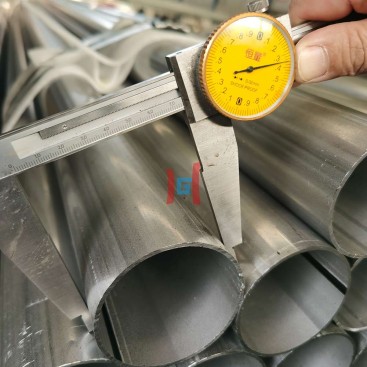
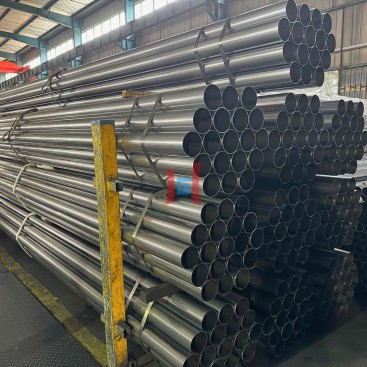
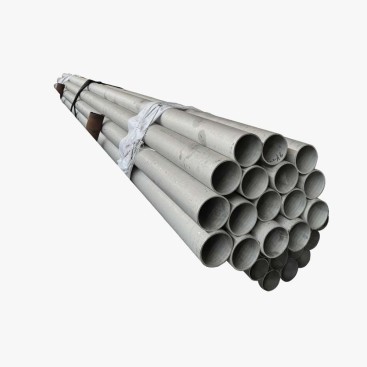
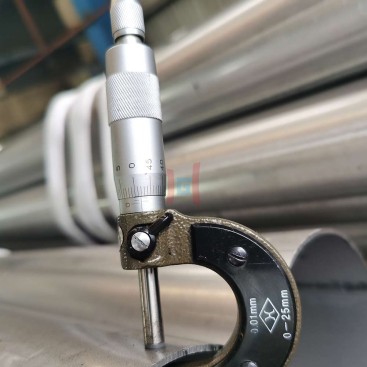
No Teda Ganghua, we supply hot dip aluminum silicon coated steel tubes with stable 9–10% Si coating composition, controlled diffusion layer thickness, e desempenho consistente em altas temperaturas para aplicações industriais.
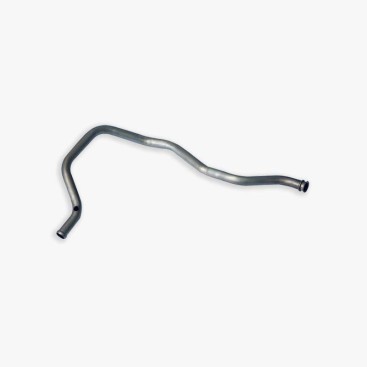
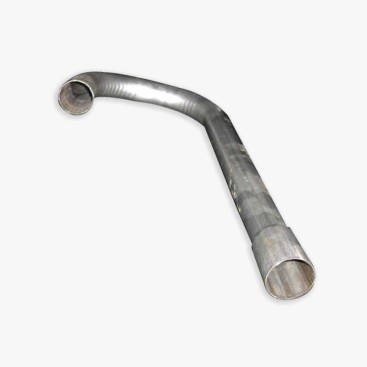
Apoiamos o processamento OEM, corte, flexão, e embalagens completas de exportação para clientes globais nas indústrias automotiva e de energia.
Explore nossos produtos de tubos de aço aluminizado aqui:
Produtos de tubo de aço aluminizado
Conclusão
O silício é a chave oculta da engenharia em revestimentos aluminizados. Controlando o crescimento intermetálico e estabilizando a estrutura do revestimento, aumenta significativamente a resistência ao calor, adesão, e vida útil em ambientes industriais exigentes.