- Описание
Описание
In steel procurement, the word “piping” can create a major misunderstanding. A buyer asking for aluminised steel piping may not be looking for individual pipes alone. The term can refer to a complete pipework system that includes pipes, fittings, valves, supports, and installation-related requirements. Meanwhile, a supplier may interpret the inquiry as a request for several tonnes of straight pipe and prepare a material-only quotation. Both parties may be discussing the same project but expecting completely different scopes of supply. Understanding the difference between pipe, tube, tubing, and piping is essential before preparing a quotation.
Трубка, Tube, Тюбинг, and Piping Do Not Mean the Same Thing
Pipe and tube generally describe individual hollow products. Tubing is also a product term, often used when the material is supplied in straight lengths or coils and may undergo further processing. Piping, однако, commonly refers to a broader system or network in which pipes are connected with other components to transport fluids or gases.
The distinction is especially important when a project inquiry uses a broad term without listing the required supply items. A supplier should establish whether the customer needs only the pipe material or expects a coordinated piping package.
| Term | What It Refers To | Typical Quotation Scope |
|---|---|---|
| Трубка / Tube | An individual hollow product | Based on dimensions, specification, количество, and delivery form |
| Тюбинг | Tubular material, often supplied in coils or straight lengths for further processing | Based on dimensions and the required coil or straight-length supply form |
| Piping | A pipework system or network | Based on the system scope, bill of materials, or project drawings |
These distinctions describe common procurement usage rather than rigid definitions that apply identically in every industry. Some specifications use pipe and tube according to particular dimensional conventions, while tubing may also refer to straight products rather than coiled material. The purchase specification should always determine the exact product form.
Pipe or Tube: The Quotation Starts With One Product
When a customer asks for pipe or tube, the immediate requirement is usually an individual product. The quotation can therefore be developed from the specified material, размеры, длина, количество, применимый стандарт, and delivery conditions.
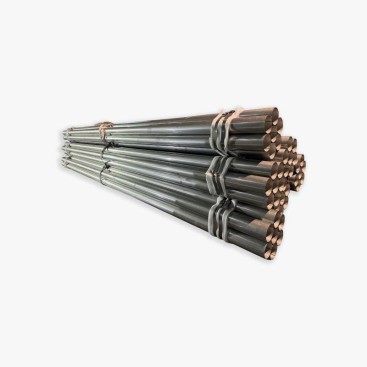
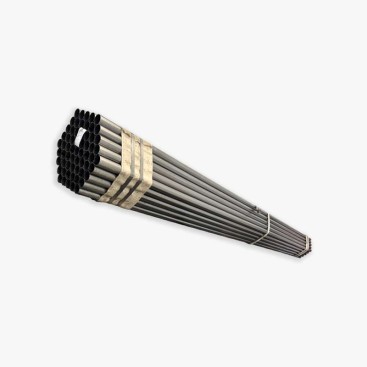
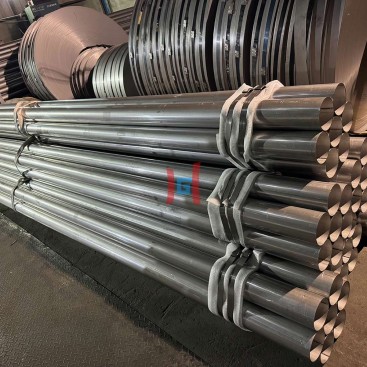
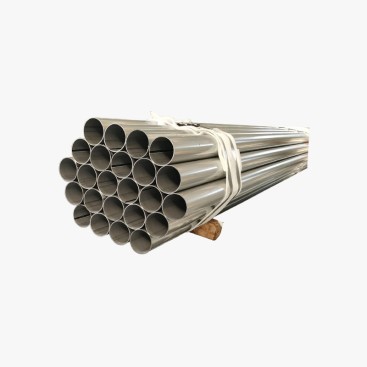
Например, a buyer may request a defined quantity of aluminised steel pipes with specified outside dimensions and wall thickness. If the inquiry is limited to the material itself, the supplier can prepare a product quotation without assuming responsibility for valves, fittings, supports, or installation.
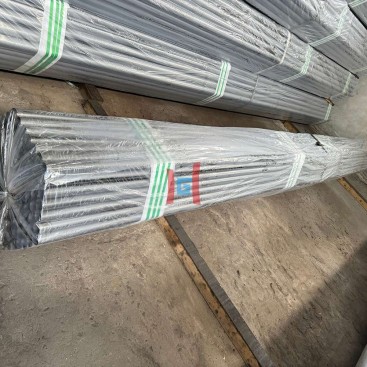
Even in a material-only inquiry, the supplier should clarify whether the buyer expects straight lengths, cut-to-length pieces, or another delivery form. These details influence packing, транспорт, and the commercial scope.
Тюбинг: The Product Form and Further Processing Matter
Tubing often appears in applications where the material will be processed after delivery. Depending on the product and specification, it may be supplied in coils or straight lengths for cutting, изгиб, формирование, or assembly. The quotation should make the delivery form clear because a coil and a bundle of straight lengths are not interchangeable from a handling and processing perspective.
A buyer asking for aluminised steel tubing may therefore need more than a basic product name. The supplier should confirm the required dimensions, length or coil form, допуски, состояние поверхности, and any downstream processing requirements that affect material selection and delivery.
The word tubing still describes tubular material, not automatically a complete piping system. It should not be interpreted as including fittings, valves, or installation unless those items are specifically included in the inquiry.
Piping: The Scope May Extend Beyond the Pipe Material
Piping usually describes the connected pipework used in a plant, building, industrial process, or other engineered application. Depending on the project, the system may include pipes, elbows, tees, reducers, flanges, valves, supports, и другие компоненты. It may also involve engineering coordination, изготовление, installation, testing, and commissioning.
Not every piping inquiry includes all these items. Some buyers use “piping” loosely when they only want pipe material, while others expect a complete package based on drawings or a bill of materials. The supplier must clarify the scope rather than infer it from the word alone.
The First Question to Ask: Pipe Only or a Complete Package?
Before calculating quantities or preparing a price, ask the customer one direct question: “Do you need pipes only, or do you also require the matching fittings and other piping components?” This question helps identify the supply boundary before the quotation becomes too detailed.
If the customer needs pipes only, request the product specification and quantity. If fittings and other components are also required, ask for a bill of materials, project drawings, or a detailed list of items. If installation or system-level work is expected, this should be identified as a separate scope requiring its own review.
| Customer’s Answer | Information to Request | Quotation Direction |
|---|---|---|
| Pipes only | Material specification, размеры, длины, количество, and delivery requirements | Individual pipe material quotation |
| Pipes and fittings | Pipe list, fitting specifications, quantities, и требования к подключению | Coordinated material supply quotation |
| Complete piping package | Project drawings, bill of materials, component scope, and responsibility boundaries | Project-based scope review and quotation |
This clarification also prevents assumptions about who supplies the components, who coordinates fabrication, and who is responsible for installation. Those responsibilities should be stated separately and agreed before the commercial offer is finalized.
How Drawings and Bills of Materials Define the Supply Scope
For project-based piping inquiries, drawings and bills of materials are more reliable than a broad product title. They help identify the individual components, their specifications, connection details, and the quantities required for the system.
A supplier quoting only the pipe material should state that limitation clearly. If the quotation includes fittings or other components, those items should be listed separately with their corresponding requirements. Any engineering, изготовление, installation, or testing responsibilities should also be defined rather than assumed.
Where drawings are incomplete or contain conflicting information, the buyer should confirm the unresolved details before order placement. This is particularly important when the project has specific connection, dimensional, инспекция, or documentation requirements.
Теда Ганхуа: Clear Supply Boundaries for Steel Pipe Orders
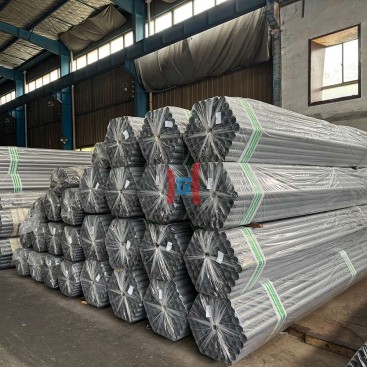
Teda Ganghua Metal is a steel stockist based in Tianjin TEDA, supporting international buyers with steel material sourcing, specification coordination, and export services. For inquiries involving aluminised steel products, defining whether the requirement is for individual pipes, tubing, or a broader piping package helps establish an accurate supply scope from the beginning.
Customers sourcing aluminised steel tubes can provide their technical specifications, drawings, размеры, required quantities, and delivery conditions for review. Teda Ganghua can help coordinate the material requirements and clarify which items are included in the agreed supply.
Material test certificate coordination and third-party inspection arrangements can also be supported according to the agreed order requirements. For project inquiries, buyers should identify whether the request covers pipe material only or includes additional components and services. This distinction helps avoid a quotation that meets the product description but misses the actual project scope.
A clear quotation begins with a clear definition of the product. When a customer says “piping,” confirming whether they need only pipes or a coordinated package is more important than assuming the word describes a single product.
Часто задаваемые вопросы
1. What is the difference between pipe and piping?
Pipe generally refers to an individual hollow product. Piping usually refers to a connected pipework system, which may include pipes, fittings, valves, supports, and other project components.
2. Does tubing mean a complete piping system?
Нет. Tubing describes tubular material, which may be supplied in coils or straight lengths depending on the product. It does not automatically include fittings, valves, or installation services.
3. Why can a piping quotation be different from a pipe quotation?
A pipe quotation may cover only the individual pipe material. A piping quotation may cover a broader system scope, potentially including connected components, engineering coordination, изготовление, or installation, depending on the buyer’s requirements.
4. What should buyers provide when requesting a piping quotation?
Buyers should provide project drawings, a bill of materials, technical specifications, and a clear description of the required supply scope. They should also state whether the request includes only pipes or additional components and services.
5. What is the first question a supplier should ask about a piping inquiry?
Ask whether the customer needs pipes only or also requires matching fittings and other components. This establishes the quotation boundary before the supplier calculates quantities or prepares a commercial offer.