- คำอธิบาย
คำอธิบาย
When purchasing aluminium coated steel tubing, buyers need to consider more than material grade, coating composition, and dimensional specifications. The delivery form can also determine what manufacturing operations are possible later. Steel tubing may be supplied as straight cut lengths or in continuous coils. Although both forms can serve industrial applications, they offer different advantages in transportation, installation, ดัด, and subsequent fabrication. Coiled tubing is convenient for long-distance runs with fewer connections, while straight tubing is generally more suitable for precise forming and dimensional control.
Why Delivery Form Changes the Processing Options
The difference between straight tubing and coiled tubing is not simply how the material is packaged. It affects the condition of the product before it enters the next manufacturing stage. Straight sections can be positioned individually for bending, สิ้นสุดการขึ้นรูป, การตัด, and other operations. Coiled material, ในทางกลับกัน, is designed to be unwound and used continuously or in longer runs.
Once tubing is supplied in a coil, it may retain residual curvature and a tendency to return toward its coiled shape. This behavior is commonly described as springback or coil memory. It can make precise three-dimensional positioning and repeatable dimensional forming more complicated.
Straight Tubing vs. Coiled Tubing: Main Differences
Both supply forms have practical applications, but they are not automatically interchangeable. Buyers should evaluate the intended installation and downstream manufacturing process before deciding which form to order.
| Supply Form | Suitable Further Processing | Main Constraints |
|---|---|---|
| Straight Tube Fixed-length sections | Tube bending, end expansion, end reduction, การตัด, and precision fabrication | Individual section length and transportation limitations |
| Coiled Tubing Continuous wound material | Continuous installation, unwinding, and applications requiring fewer intermediate connections | Coil memory, springback, and limitations in subsequent precision forming |
1. Straight Tubing: Better for Controlled Forming
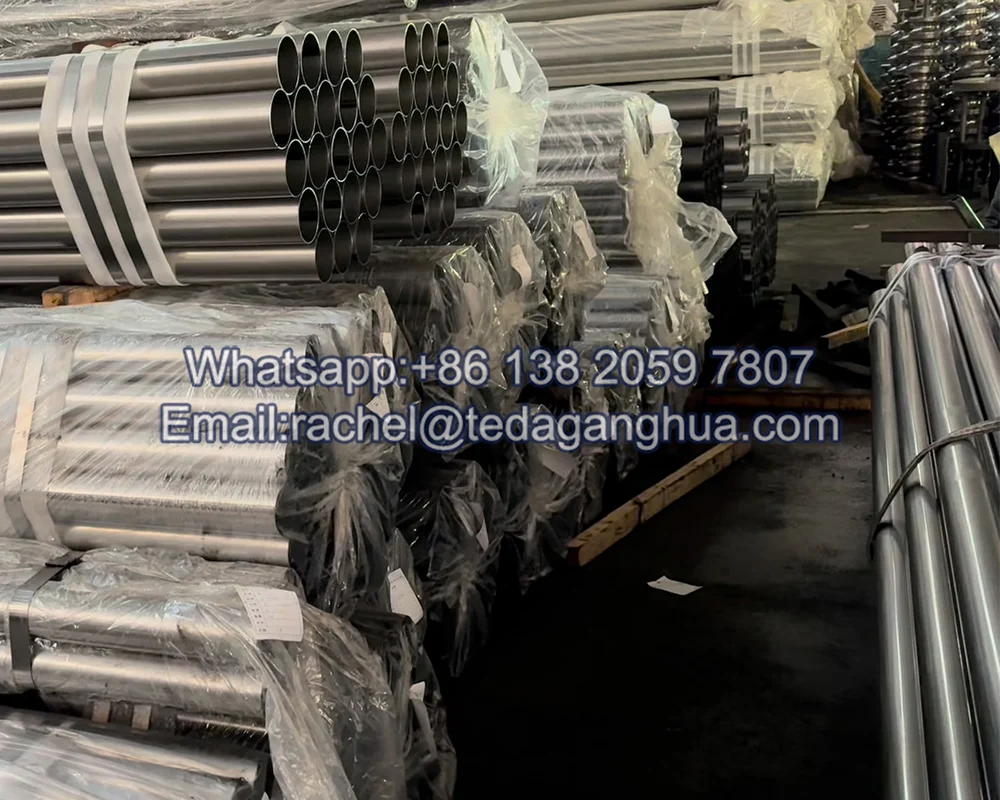
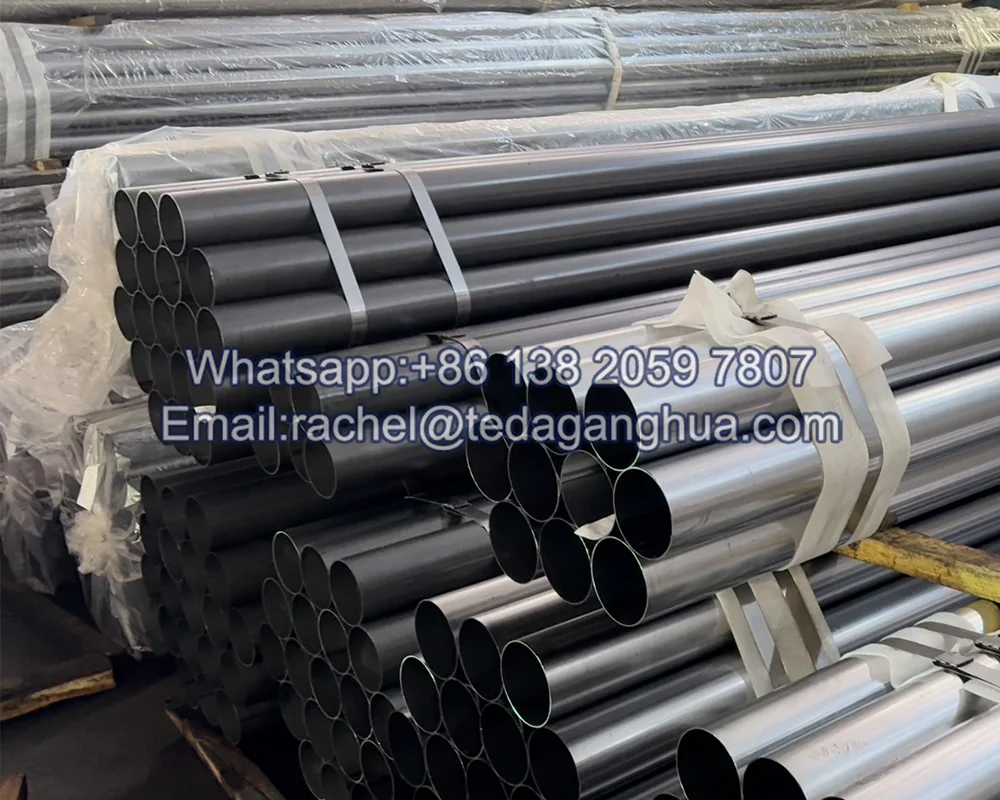
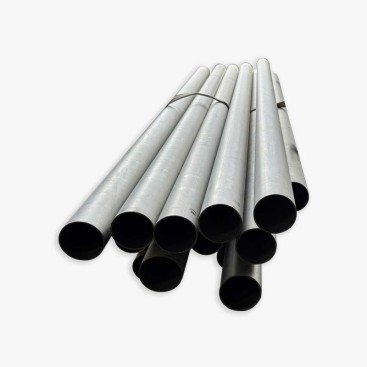
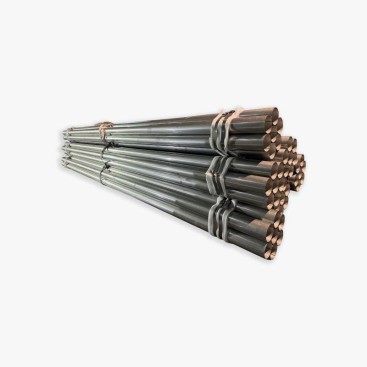
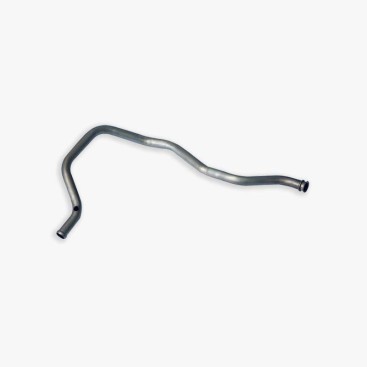
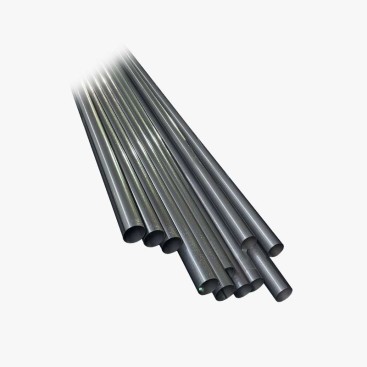
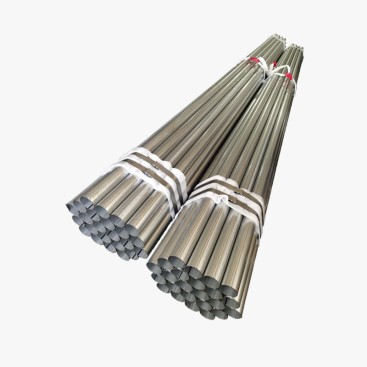
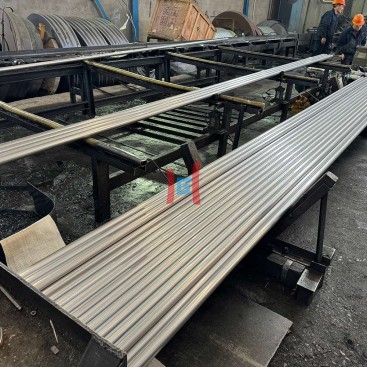
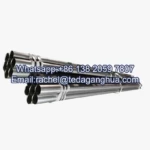
Straight tubing is commonly supplied in specified lengths. Each section can be handled individually and positioned according to the requirements of the next manufacturing operation. This makes it suitable for applications involving controlled bending, expanded ends, reduced ends, and fabricated connections.
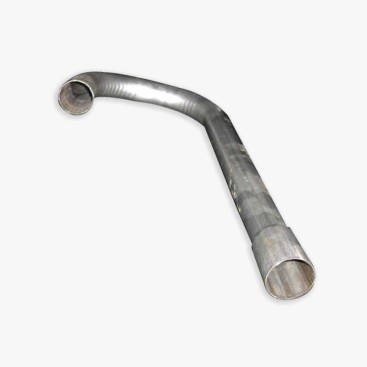
ตัวอย่างเช่น, an industrial component may require several bends at specific positions, followed by end forming to connect with another section. A straight starting material is generally easier to position in dedicated tooling and check against dimensional drawings.
Another advantage is that individual sections can be inspected before and after forming. Manufacturers can check the bend angle, end dimensions, straightness, and other critical characteristics against the agreed requirements.
Transportation Is the Main Limitation
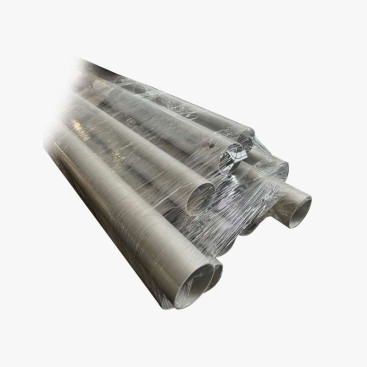
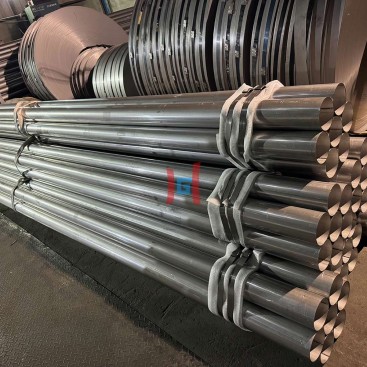
The main limitation of straight sections is transportation efficiency. Long individual tubes require appropriate loading space, handling arrangements, and protection against bending or impact during shipment. For projects requiring long continuous runs, multiple straight sections may also introduce additional joints and connection work.
ดังนั้น, straight supply is usually a better choice when the final geometry and fabrication accuracy matter more than continuous installation length.
2. Coiled Tubing: Designed for Continuous Length
Coiled tubing offers a different manufacturing and installation advantage. Instead of handling multiple individual sections, users can unwind the material as needed. This is useful for applications involving longer continuous runs, where reducing intermediate connections can simplify installation and improve workflow.
Depending on the application and product specifications, continuous tubing can reduce the number of cutting and joining operations. It may also make transportation and material handling more convenient when compared with equivalent long straight sections.
Coil Memory and Springback Need Attention
The main consideration is the residual shape associated with coiling. After unwinding, the tubing may retain a curved or helical tendency rather than becoming perfectly straight. The degree of this behavior depends on material properties, ขนาด, coiling conditions, and the previous manufacturing process.
This residual curvature can influence downstream operations. If a project requires accurate positioning, multiple controlled bends, or precise three-dimensional geometry, additional straightening and dimensional correction may be necessary. These operations can increase manufacturing complexity and should be evaluated before choosing a coiled supply form.
Why Coiling and Precision Forming Can Conflict
The two supply forms are designed around different priorities. Coiling prioritizes continuous length and compact handling, while precision forming prioritizes dimensional consistency and controlled geometry. These objectives can conflict when the same order requires both advantages.
For instance, a buyer may request continuous material for installation efficiency but also expect every section to have accurately positioned bends and formed ends. In this situation, the supplier needs to understand whether the tubing will be unwound and processed by the buyer or delivered as an already fabricated component.
| Project Priority | Preferred Supply Form | Reason |
|---|---|---|
| Long continuous installation | Coiled tubing | Can reduce intermediate joints and simplify continuous material handling |
| Multiple accurate bends | Straight tubing | Easier to position and control during forming |
| Expanded or reduced ends | Straight tubing | Individual sections are more convenient for end-forming operations |
| Continuous routing with limited joints | Coiled tubing | Supports longer uninterrupted installation runs where suitable |
| Complex three-dimensional assembly | Straight tubing | Provides a more convenient starting condition for controlled fabrication |
How to Specify the Supply Form in a Purchasing Request
A product description that only identifies the material as coated steel tubing is insufficient when the delivery form affects subsequent processing. Buyers should explicitly identify whether they require coiled material or straight cut lengths.
The following information helps suppliers understand the intended use and avoid misunderstandings during quotation and production:
Purchasing Specification Checklist
- Specify coiled or straight supply form.
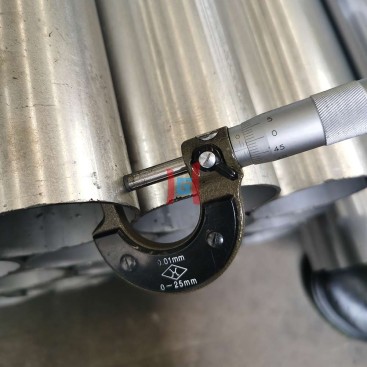
- Provide the required outside diameter and wall thickness.
- Confirm material grade and applicable coating specification.
- Identify whether the material will undergo additional bending or straightening.
- State whether end expansion, reduction, การตัด, or welding is required.
- Provide the required delivery length or order quantity.
- Clarify packaging, handling, และข้อกำหนดในการตรวจสอบ.
If the buyer needs both continuous material and accurately formed components, it may be more practical to separate the requirements into different supply stages. The raw material can be supplied in the form best suited to the initial process, while precision forming can be completed after the appropriate straightening and preparation operations.
เทดา กังฮวา: Supporting Aluminium-Coated Steel Tubing Procurement
Teda Ganghua Metal is a steel stockist based in Tianjin TEDA, providing industrial customers with steel material sourcing, specification coordination, and export services. When evaluating aluminium-coated steel materials, our team understands the importance of matching the supply condition with the customer’s intended manufacturing and installation requirements.
For customers sourcing aluminium coated steel tubing, we can assist with reviewing material descriptions, ขนาด, ข้อกำหนดการเคลือบ, and delivery conditions. Buyers are encouraged to explain whether their projects require continuous coiled material or individual straight sections, particularly when additional forming operations are planned.
Teda Ganghua can also coordinate material test certificates, inspection arrangements, and third-party inspection according to agreed purchasing requirements. Providing technical drawings and downstream processing details helps establish a clearer specification before procurement and shipment.
The objective is to ensure that the supplied material form supports the next production stage instead of creating unnecessary straightening, การขึ้นรูป, or handling work after delivery.
คำถามที่พบบ่อย
1. What is the main difference between coiled and straight tubing?
Straight tubing is supplied in individual lengths and is generally more convenient for precision bending and end forming. Coiled tubing is supplied in continuous wound lengths and is useful for installations requiring fewer intermediate connections.
2. Can coiled tubing become perfectly straight after unwinding?
ไม่จำเป็น. Coiled material may retain residual curvature or helical memory after unwinding. Depending on the required dimensional accuracy, additional straightening may be necessary.
3. Is coiled tubing suitable for precision bending?
It depends on the material, ขนาด, forming equipment, and required geometry. Applications involving complex bends or precise three-dimensional positioning should be evaluated carefully before selecting coiled supply.
4. Why is straight tubing often preferred for end expansion and reduction?
Individual straight sections are generally easier to position and secure in end-forming equipment. This helps manufacturers control connection geometry and inspect the finished dimensions.
5. Can buyers request both coiled and straight material in one project?
ใช่. Different sections of a project may have different installation and fabrication requirements. Separating the supply forms according to their intended processing stages can help improve production efficiency and dimensional control.