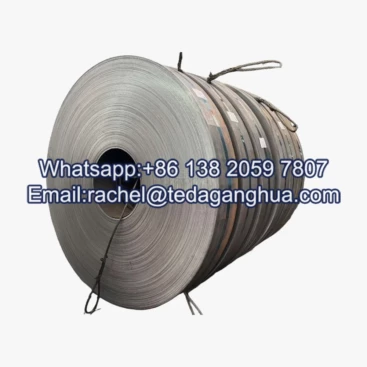
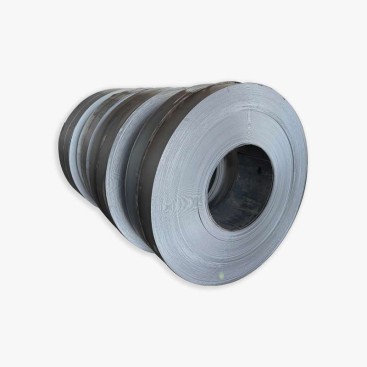
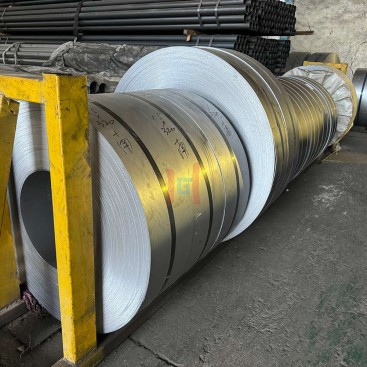
เหล็กอลูมิไนซ์สำหรับย่างบาร์บีคิว


- คำอธิบาย
คำอธิบาย
Aluminized Steel for BBQ Grills: Firebox & Lid Materials for Heat Resistance and Outdoor Durability
Aluminized steel for BBQ grills is widely used for grill bodies, fireboxes, and lids because it combines heat resistance, การป้องกันการกัดกร่อน, และประสิทธิภาพด้านต้นทุน. The aluminum-silicon coating provides a protective barrier on the steel surface, helping outdoor cooking equipment withstand repeated heating cycles and exposure to moisture.
For charcoal and gas grills, material selection directly affects service life, appearance, and manufacturing cost. Aluminized steel provides a practical balance between standard carbon steel and premium stainless steel solutions.
Where Aluminized Steel Is Used in BBQ Grills
| Grill Component | Main Function | Material Requirement |
|---|---|---|
| Firebox | Contains heat and combustion gases | Heat resistance and corrosion protection |
| Lid | Maintains cooking temperature | Thermal stability and good forming |
| Side Panels | Structural support | Strength and outdoor durability |
| Cooking Grate | Direct food contact area | Usually cast iron, สแตนเลส, or coated materials |
Temperature Performance in BBQ Applications
During grilling, different areas of the barbecue system experience different temperatures. The firebox and areas near charcoal flames may reach higher temperatures, while the lid and outer panels usually operate at lower levels.
| Area | Typical Temperature Range | Material Consideration |
|---|---|---|
| Charcoal Heating Zone | 300-500° C | Requires oxidation-resistant material |
| Firebox Wall | 250-450° C | Needs heat and corrosion protection |
| Grill Lid | 150-300° C | Requires forming and appearance quality |
Why Choose Aluminized Steel for BBQ Equipment?
- ทนความร้อน: The aluminum coating helps protect steel surfaces during repeated heating cycles.
- ป้องกันการกัดกร่อน: The coating reduces direct exposure of steel to moisture and oxygen.
- Mechanical strength: The steel base provides better rigidity than pure aluminum sheets.
- Cost efficiency: It offers a more economical option compared with full stainless steel grills.
- Manufacturing flexibility: เหมาะสำหรับงานปั๊มลาย, ดัด, and fabrication processes.
Aluminized Steel vs Other BBQ Grill Materials
| วัสดุ | ประสิทธิภาพความร้อน | ความต้านทานการกัดกร่อน | ระดับต้นทุน |
|---|---|---|---|
| เหล็กอลูมิไนซ์ | Suitable for common BBQ temperatures | Good with proper maintenance | สมดุล |
| Enameled Carbon Steel | Good heat retention | Depends on enamel condition | ปานกลาง |
| สแตนเลส | ยอดเยี่ยม | ดีมาก | สูงกว่า |
Rust Protection and Outdoor Durability
The durability of BBQ grill materials depends not only on the coating but also on the environment and maintenance conditions. The aluminum coating creates a protective layer, while accumulated cooking oil can provide an additional barrier during use.
อย่างไรก็ตาม, outdoor environments with high humidity or coastal salt exposure require additional consideration. Salt spray can accelerate corrosion, especially if the coating surface is damaged during handling or operation.
Recommended Thickness for BBQ Grill Manufacturing
| แอปพลิเคชัน | Typical Thickness | กำลังประมวลผล |
|---|---|---|
| Firebox Panels | 1.0-1.5มม | Stamping and welding |
| Grill Lid | 1.0-1.2มม | การดัดและการขึ้นรูป |
| Structural Parts | 1.2-1.5มม | Fabrication assembly |
Manufacturing Considerations for BBQ Grill Producers
BBQ grill manufacturers should evaluate several factors when selecting aluminized steel:
- Coating thickness and uniformity
- Sheet flatness after forming
- Welding performance
- Surface appearance requirements
- Outdoor exposure conditions
Teda Ganghua Aluminized Steel Supply for BBQ Grill Applications
เสบียง Teda Ganghua ขดลวดเหล็กอลูมิไนซ์ for BBQ grill manufacturers, outdoor cooking equipment producers, และบริษัทแปรรูปโลหะ. With stable coating quality, ตัวเลือกความหนาที่กำหนดเอง, และการสนับสนุนการประมวลผล, Teda Ganghua helps customers develop durable grill bodies, lids, และส่วนประกอบทนความร้อน.
Selecting the correct aluminized steel specification helps BBQ equipment manufacturers achieve a balance between heat performance, ความต้านทานการกัดกร่อน, ประสิทธิภาพการผลิต, และมูลค่าผลิตภัณฑ์โดยรวม.