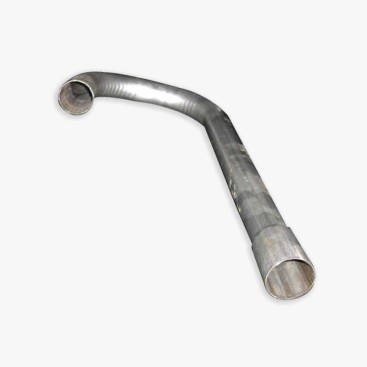
- คำอธิบาย
คำอธิบาย
ท่อไอเสียท่อเหล็กอลูมิไนซ์: ขนาด, Wall Thickness and Bending Guide for Exhaust Fabrication
Aluminized steel tube exhaust systems are widely used in DIY fabrication, aftermarket replacement systems, and commercial vehicle applications because they provide a balance between heat resistance, การป้องกันการกัดกร่อน, and manufacturing cost. Compared with ordinary carbon steel tubes, aluminized tubes offer much better oxidation resistance, while compared with stainless steel, they provide a more economical solution for many exhaust applications.
For exhaust fabricators, selecting the correct tube diameter, ความหนาของผนัง, bending method, and welding process directly affects exhaust flow, ความทน, and service life.
Why Aluminized Tubes Are Popular for Exhaust Fabrication
An exhaust pipe must handle repeated thermal cycling, high-temperature exhaust gases, เกลือถนน, ความชื้น, and internal condensation. Aluminized steel tubes use an aluminum-silicon coating to protect the steel substrate from oxidation and corrosion.
- Aluminum coating improves resistance to high-temperature oxidation.
- The steel core provides mechanical strength and easy fabrication.
- The material is easier to bend and weld than many stainless grades.
- The overall cost is lower than stainless exhaust tubing.
Common Exhaust Tube Sizes and Specifications
Exhaust fabricators normally select tube size according to engine displacement, exhaust flow requirements, vehicle packaging space, and required sound characteristics.
| ข้อมูลจำเพาะ | ช่วงทั่วไป | แอปพลิเคชัน |
|---|---|---|
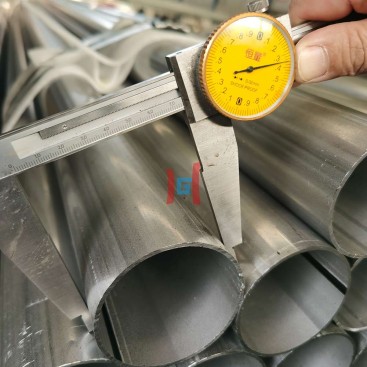
| เส้นผ่านศูนย์กลางภายนอก | 1.5″ – 4″ | Passenger cars, รถบรรทุก, performance exhaust systems |
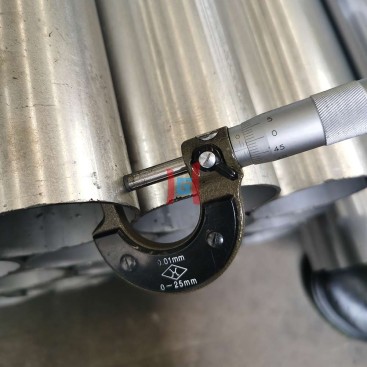
| ความหนาของผนัง | 16 วัด (about 1.5 มม) / 18 วัด (about 1.2 มม) | Balance between weight and durability |
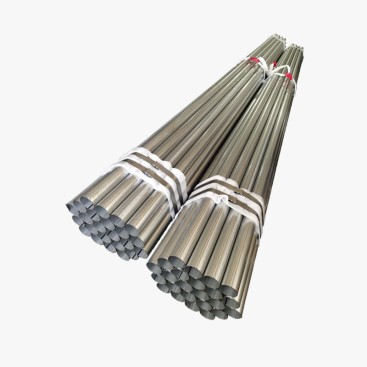
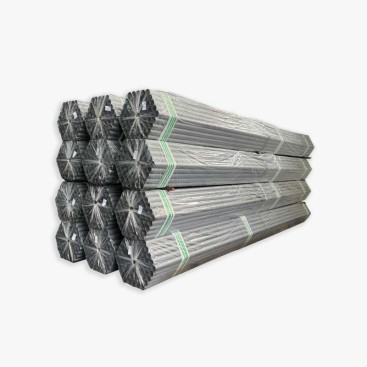
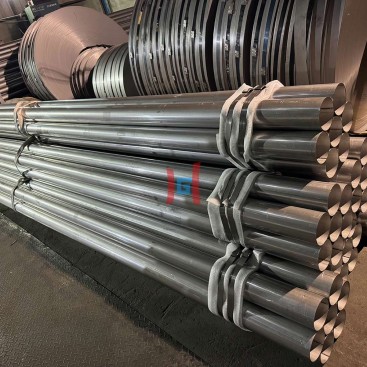
| Tube Length | 3-10 ft | Straight sections and fabrication kits |
Straight Tubes, Bends and Connection Components
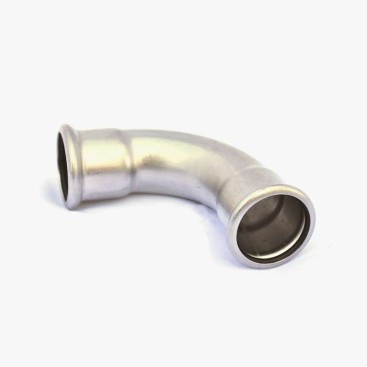
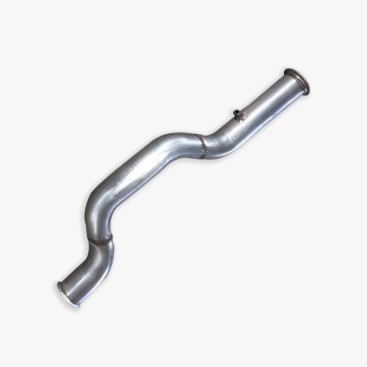
A complete exhaust fabrication project usually requires multiple tube components rather than a single straight pipe. Common combinations include straight tubes, mandrel bends, expanded ends, and connection hardware.
| ส่วนประกอบ | การทำงาน |
|---|---|
| Straight Tube | Main exhaust routing section |
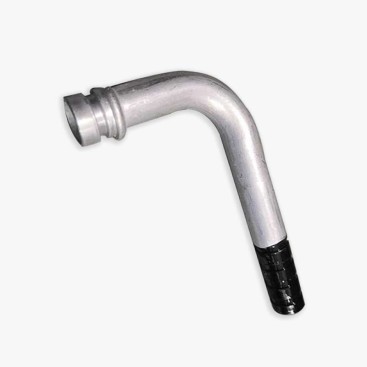
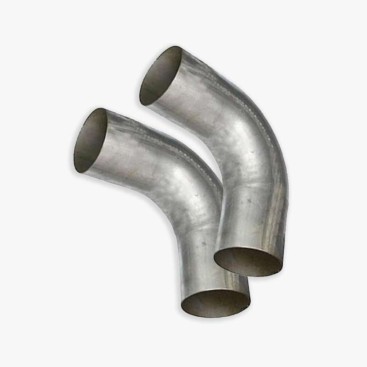
| 45° / 90° / 180° Bend | Allows exhaust system layout adjustment |
| Expanded Connector | Provides slip-fit connection between pipes |
| Clamp or Weld Joint | Secures final exhaust assembly |
Mandrel Bend vs Crush Bend: Why Tube Shape Matters
Bending quality directly affects exhaust flow performance. A poor bending process can reduce the internal diameter and create turbulence.
| Bending Method | Internal Diameter Retention | ผลงาน |
|---|---|---|
| Mandrel Bending | Usually maintains more than 95% | Best for performance exhaust systems |
| Crush Bending | May reduce to around 70% | Lower cost but more flow restriction |
Manufacturing Process of Aluminized Exhaust Tubes
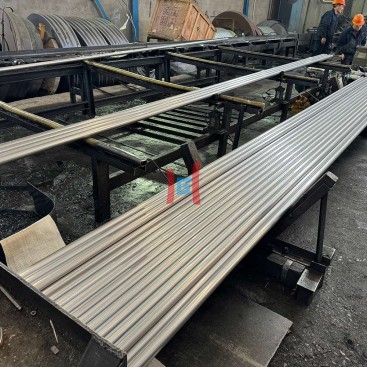
Producing a finished exhaust pipe requires several fabrication steps. Proper handling of the coating is important because damaged areas can become corrosion points.
- Tube cutting according to design requirements.
- Bending into required angles using suitable equipment.
- Adding expanded ends or connection sections.
- Welding pipe components together.
- Removing damaged coating around weld areas.
- Applying protective repair coating when necessary.
Aluminized Tube vs 409 Stainless Exhaust Tube Cost Comparison
Material selection depends on service requirements. Aluminized tubes are often selected for cost-effective exhaust systems, while stainless steel is preferred for maximum durability.
| วัสดุ | Relative Cost per Foot | การใช้งานทั่วไป |
|---|---|---|
| ท่อเหล็กอลูมิไนซ์ | ต่ำกว่า | Aftermarket exhaust, replacement systems |
| 409 Stainless Tube | Medium to High | OEM exhaust and long-life applications |
| 304 Stainless Tube | Highest | Performance and premium exhaust systems |
Common DIY Exhaust Combination Packages
Many DIY builders purchase complete component packages instead of individual tubes. A typical exhaust fabrication kit may include:
- Straight aluminized tubes.
- Pre-formed 45° and 90° bends.
- Muffler sections.
- Expanded connectors.
- Clamps and mounting accessories.
This approach reduces fabrication time and allows builders to complete exhaust replacement or modification projects more efficiently.
Aluminized Exhaust Tube Supply and Custom Fabrication
Teda Ganghua provides aluminized steel tube solutions for automotive exhaust manufacturers, aftermarket suppliers, และงานอุตสาหกรรม. The products are designed for environments requiring oxidation resistance, เสถียรภาพทางความร้อน, and reliable forming performance.
With options for tube supply, customized processing, and fabrication support, Teda Ganghua helps customers select suitable materials for exhaust production. More information about ท่อเหล็กอลูมิไนซ์ is available for exhaust and high-temperature applications.
คำถามที่พบบ่อย
1. What size aluminized tube is commonly used for exhaust systems?
Most passenger vehicle exhaust systems use tube diameters from 1.5 inches to 4 นิ้ว, depending on engine output and exhaust design.
2. Is mandrel bending better than crush bending?
ใช่. Mandrel bending maintains a smoother internal passage and reduces flow restriction compared with crush bending.
3. สามารถเชื่อมท่อเหล็กอลูมิไนซ์ได้?
ใช่. Welding is possible, but damaged coating areas around welds should be properly treated to maintain corrosion protection.
4. Are aluminized tubes suitable for performance exhaust systems?
They are suitable for many street and aftermarket applications. Extreme racing environments may require stainless steel upgrades.
5. ท่อไอเสียอลูมิไนซ์มีอายุการใช้งานได้นานแค่ไหน?
อายุการใช้งานขึ้นอยู่กับสภาพอากาศ, สภาพการขับขี่, คุณภาพการเคลือบ, และวิธีการประดิษฐ์. ระบบที่ออกแบบอย่างเหมาะสมสามารถให้บริการที่เชื่อถือได้นานหลายปี.