- คำอธิบาย
คำอธิบาย
Aluminized Steel Tube vs Galvanized vs Stainless: Price-Performance Comparison
Choosing between aluminized steel tube price, galvanized steel tube, and stainless steel tube requires more than comparing the initial purchase cost. Different materials provide different levels of heat resistance, การป้องกันการกัดกร่อน, ความทน, and service life.
For applications such as automotive exhaust systems, อุปกรณ์ทำความร้อน, และท่ออุตสาหกรรม, the best material choice depends on operating temperature, สภาพแวดล้อมการกัดกร่อน, ข้อกำหนดการประดิษฐ์, and long-term maintenance cost.
Basic Difference Between Three Tube Materials
| วัสดุ | การเคลือบหลัก / คุณสมบัติ | Typical Application |
|---|---|---|
| ท่อเหล็กอลูมิไนซ์ | Aluminum-silicon coating with heat resistance | ระบบท่อไอเสีย, เตาหลอม, heat equipment |
| ท่อเหล็กชุบสังกะสี | Zinc coating for corrosion protection | การก่อสร้าง, general piping |
| ท่อสแตนเลส | Chromium-based corrosion resistance | Food, เคมี, high-corrosion environments |
การเปรียบเทียบราคา: Initial Cost vs Long-Term Value
The purchase cost of tubes is influenced by raw materials, กระบวนการผลิต, coating technology, and required performance. โดยทั่วไป, galvanized steel is selected for lower-cost applications, aluminized steel provides a balance between cost and heat resistance, while stainless steel offers premium performance.
| วัสดุ | Initial Cost Level | Long-Term Performance |
|---|---|---|
| ท่อเหล็กชุบสังกะสี | ต่ำ | Good in normal environments |
| ท่อเหล็กอลูมิไนซ์ | ปานกลาง | ทนความร้อนและออกซิเดชั่นได้ดีเยี่ยม |
| ท่อสแตนเลส | สูงกว่า | Excellent corrosion resistance and durability |
Heat Resistance Comparison
Temperature performance is one of the biggest differences between these materials. In high-temperature environments, coating stability becomes a key factor affecting service life.
| วัสดุ | ประสิทธิภาพความร้อน | Typical Use Condition |
|---|---|---|
| เหล็กชุบสังกะสี | Limited at elevated temperature | Normal temperature applications |
| เหล็กอลูมิไนซ์ | Strong oxidation resistance | Hot exhaust and heating systems |
| สแตนเลส | Excellent high-temperature stability | Extreme environments |
Corrosion Resistance Comparison
Corrosion resistance depends on environmental exposure. Aluminum coating provides strong protection against oxidation, while stainless steel relies on its chromium passive layer.
- เหล็กอลูมิเนต: Excellent resistance to oxidation and hot corrosion.
- เหล็กชุบสังกะสี: Good protection in moisture environments but less suitable for high heat.
- สแตนเลส: Superior resistance against chemicals and aggressive corrosion.
Fabrication and Processing Differences
| Factor | เหล็กอลูมิไนซ์ | สแตนเลส |
|---|---|---|
| การเชื่อม | Requires coating protection | Requires proper filler selection |
| การงอ | ขึ้นรูปได้ดี | Higher strength requires more force |
| Machining | Relatively easy | Requires controlled processing |
Which Tube Material Should You Choose?
| Application Requirement | Recommended Material |
|---|---|
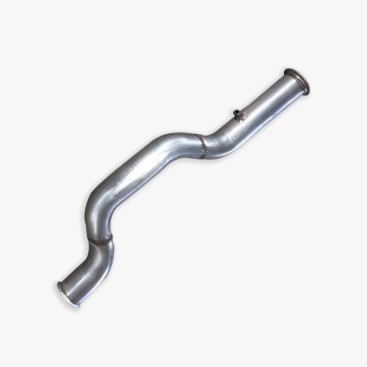
| ระบบไอเสียรถยนต์ | Aluminized steel tube |
| General outdoor piping | Galvanized steel tube |
| Food and chemical industries | Stainless steel tube |
| High-temperature equipment | Aluminized or stainless steel |
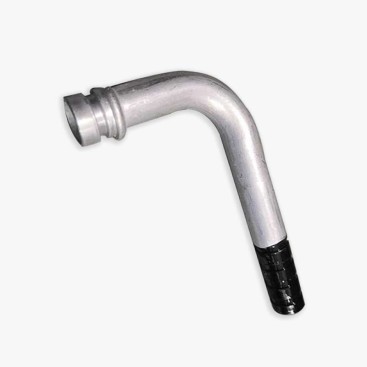
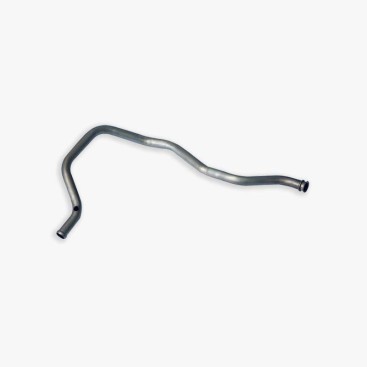
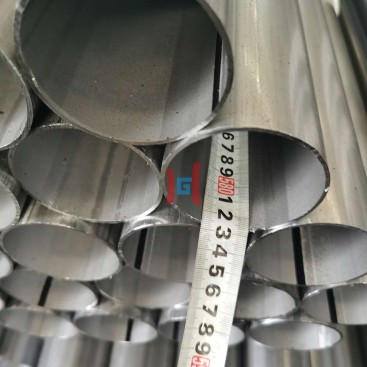
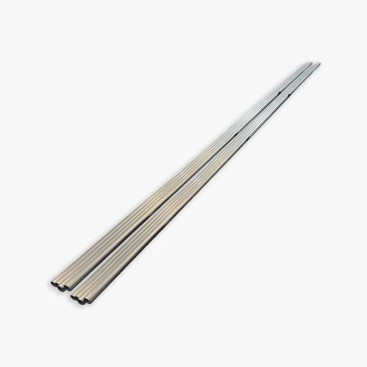
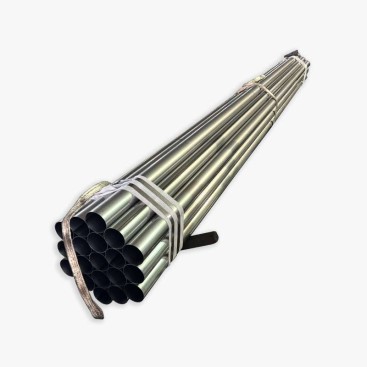
Teda Ganghua Aluminized Steel Tube Solution: Teda Ganghua supplies aluminized steel tubes designed for high-temperature and corrosion-resistant applications. With stable coating quality, accurate dimensions, and customized production capability, customers can select suitable products through our ท่อเหล็กอลูมิไนซ์ category.
How to Evaluate Total Ownership Cost
The cheapest material is not always the most economical choice. Buyers should consider:
- Expected service life.
- Operating temperature.
- Maintenance frequency.
- Replacement difficulty.
- Fabrication requirements.
FAQ About Aluminized Steel Tube Price
1. Is aluminized steel tube cheaper than stainless steel?
In many applications, aluminized steel provides a more economical solution while maintaining strong heat resistance.
2. Why choose aluminized steel instead of galvanized steel?
เหล็กอลูมิไนซ์ทำงานได้ดีกว่าในสภาพแวดล้อมที่มีอุณหภูมิสูง เนื่องจากการเคลือบอลูมิเนียมให้ความต้านทานการเกิดออกซิเดชันได้ดีกว่า.
3. สแตนเลสเป็นตัวเลือกที่ดีที่สุดเสมอไป?
สแตนเลสมีความทนทานต่อการกัดกร่อนได้ดีเยี่ยม, แต่อาจไม่จำเป็นสำหรับการใช้งานที่เหล็กอลูมิไนซ์ให้ประสิทธิภาพเพียงพอ.
4. ปัจจัยใดที่ควรส่งผลต่อการเลือกใช้วัสดุ?
อุณหภูมิ, สภาพแวดล้อมการกัดกร่อน, ข้อกำหนดอายุการใช้งาน, วิธีการผลิต, และควรพิจารณางบประมาณร่วมกัน.