- คำอธิบาย
คำอธิบาย
Aluminized Steel Tube vs Pipe: What’s the Difference and Which One Should You Buy?
In industrial procurement, the terms “tube” และ “pipe” are often used interchangeably—but in reality, they follow different sizing systems, design standards, and application logic. This difference becomes especially important when selecting aluminized steel products สำหรับรถยนต์, เครื่องปรับอากาศ, and thermal systems.
Understanding this distinction helps buyers avoid specification errors, mismatched fittings, and costly redesigns.
1. Tube vs Pipe: Core Engineering Difference
| รายการ | Tube | ท่อ |
|---|---|---|
| Measurement System | เส้นผ่านศูนย์กลางภายนอก (ของ) & ความหนาของผนัง | NPS (Nominal Pipe Size) |
| Dimensional Accuracy | มีความแม่นยำสูง | Standardized flow-based sizing |
| Primary Focus | Structural / mechanical applications | Fluid or gas transport |
| Tolerance Level | Tighter tolerance control | Looser dimensional tolerance |
In simple terms: tube = precision structure, ในขณะที่ pipe = fluid transport system.
2. Why Aluminized Steel is More Common in Tubes
| Reason | Explanation |
|---|---|
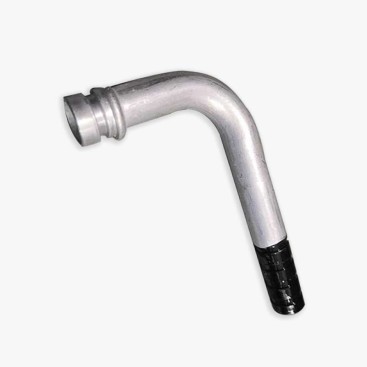
| Automotive Geometry Needs | Exhaust systems require tight bends and precision OD control |
| Surface Coating Stability | Al-Si coating performs better in controlled wall-thickness tubes |
| Structural Design | Tubes handle vibration and mechanical stress better |
| Manufacturing Consistency | Cold-formed tubing ensures stable coating adhesion |
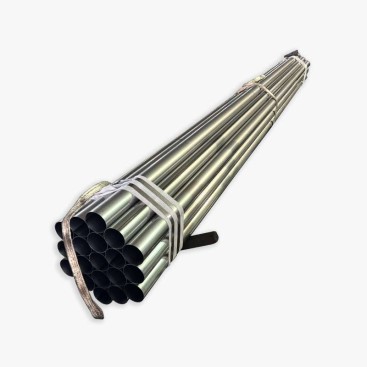
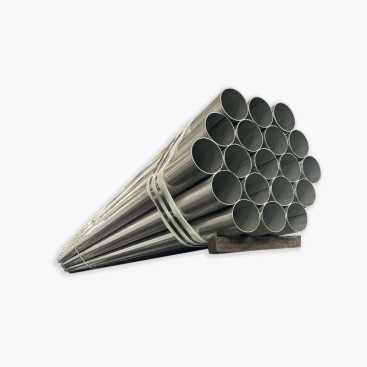
Because of these reasons, aluminized steel is predominantly produced in tube form rather than pipe form.
3. Size Standards: OD Tube vs NPS Pipe
| System | คำนิยาม | ตัวอย่าง |
|---|---|---|
| OD Tube System | Measured by outer diameter (mm/inch) | 25.4มม, 38มม, 50.8mm tube |
| NPS Pipe System | Nominal Pipe Size (approximate ID reference) | 1″, 2″, 3″ ท่อ (actual OD varies) |
This is one of the most common sourcing errors in international procurement.
4. Where Each One Is Used
| แอปพลิเคชัน | Preferred Product Type |
|---|---|
| ระบบไอเสียรถยนต์ | Aluminized steel tube |
| Heat exchanger frames | Aluminized steel tube |
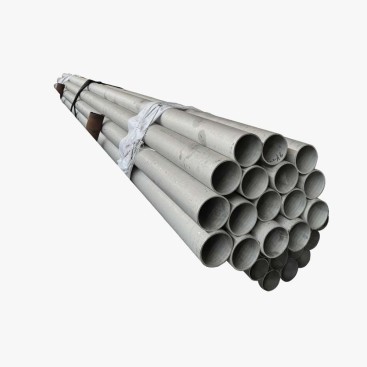
| Fluid / gas transport pipelines | Steel pipe (rare use for aluminized) |
| Structural support systems | Tube |
In aluminized steel applications, tube dominates due to precision and coating performance requirements.
5. Procurement Risks: Tube vs Pipe Confusion
| Risk | Consequence |
|---|---|
| Wrong sizing system | Fitting mismatch in assembly |
| Incorrect tolerance expectation | Installation failure or leakage |
| Miscommunication in sourcing | Production delay and cost increase |
| Incorrect drawing interpretation | Redesign or rework required |
Buyers should always confirm whether drawings specify OD-based tube or NPS-based pipe.
6. How to Choose Correctly
| If Your Application Is… | Choose |
|---|---|
| Precision mechanical structure | Aluminized steel tube |
| ไอเสีย / thermal system | Aluminized steel tube |
| Large-scale fluid transport | Standard pipe system (non-aluminized typically) |
For most aluminized steel applications, the correct procurement choice is tube specification.
7. ทำไมผู้ซื้อถึงเลือก Teda Ganghua
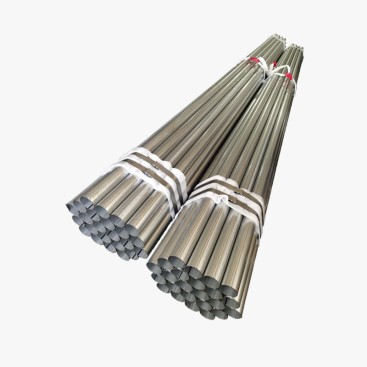
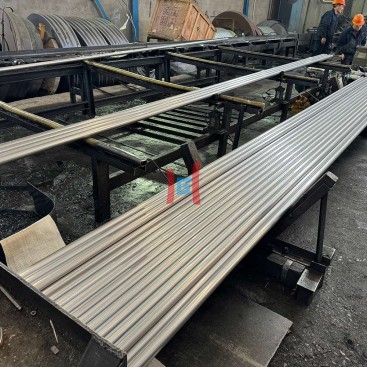
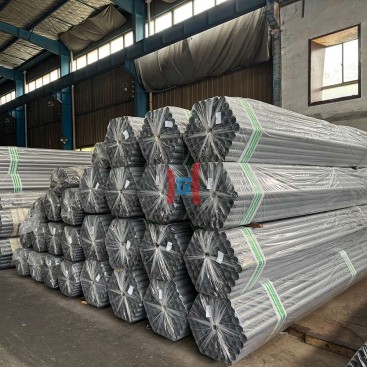
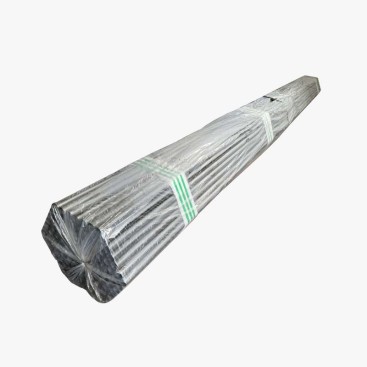
ที่ เทดา กังฮวา, we supply high-quality aluminized steel tubes with precise OD control, การยึดเกาะของการเคลือบ Al-Si ที่เสถียร, และสมรรถนะทางกลที่สม่ำเสมอสำหรับระบบยานยนต์และอุตสาหกรรม.
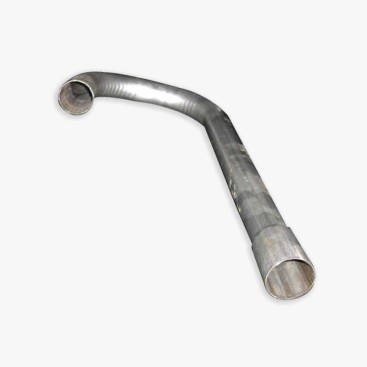
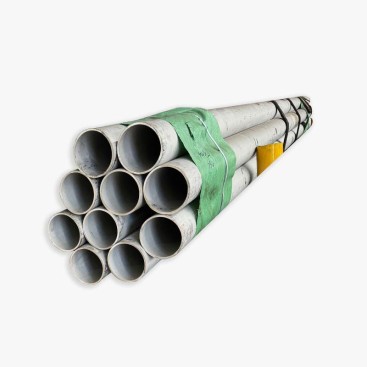
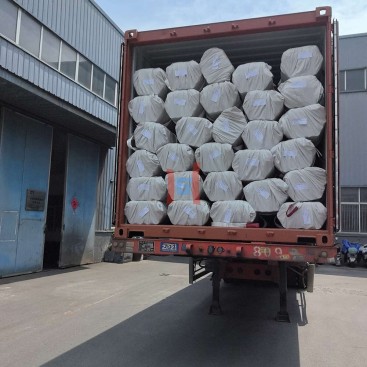
เราสนับสนุนการตัด OEM, ดัด, และบรรจุภัณฑ์ส่งออกที่ออกแบบมาสำหรับลูกค้าด้านวิศวกรรมทั่วโลก.
สำรวจผลิตภัณฑ์ท่อเหล็กอลูมิไนซ์ของเราที่นี่:
ผลิตภัณฑ์ท่อเหล็กอลูมิไนซ์
บทสรุป
ความแตกต่างระหว่างท่อและท่อไม่ได้เป็นเพียงคำศัพท์เท่านั้น แต่ยังส่งผลโดยตรงต่อการออกแบบทางวิศวกรรม, ความเข้ากันได้ที่เหมาะสม, และความถูกต้องแม่นยำในการจัดซื้อจัดจ้าง. ในระบบเหล็กอลูมิไนซ์, ท่อเป็นตัวเลือกที่โดดเด่นและถูกต้องทางเทคนิคสำหรับการใช้งานส่วนใหญ่.