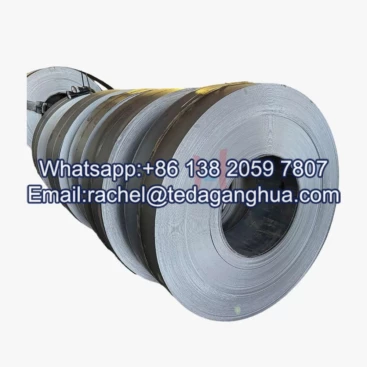
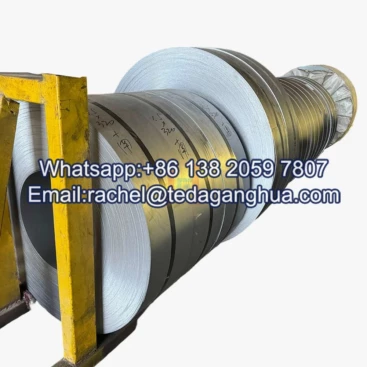
- Sự miêu tả
Sự miêu tả
Aluminized Steel for Chimney Liners: The 677°C Flue Barrier and Stainless Steel Alternative Guide
Aluminized steel for chimney liners is used as a cost-effective solution for flue gas systems where moderate temperature resistance and oxidation protection are required. The aluminum-silicon coating forms a stable aluminum oxide layer during heating, helping protect the steel substrate from high-temperature oxidation.
For gas and oil heating systems, chimney liners normally experience temperatures within the effective operating range of aluminized steel. Tuy nhiên, fuel type, condensation conditions, and exhaust chemistry must be considered before selecting the liner material.
Where Aluminized Steel Is Used in Chimney Systems
| Chimney Component | Chức năng | Material Requirement |
|---|---|---|
| Inner Liner | Direct contact with flue gases | Oxidation resistance and thermal stability |
| Spiral Pipe Section | Exhaust gas transportation | Formability and weldability |
| Double Wall Chimney Inner Layer | Heat-resistant barrier | Coating durability |
| Outer Shell | Weather protection | Appearance and corrosion resistance |
Temperature Range of Chimney Liner Applications
The suitability of aluminized steel depends mainly on exhaust temperature and exposure conditions. The aluminum coating provides protection up to approximately 677°C in continuous service conditions, making it suitable for many medium-temperature flue applications.
| Fuel System | Typical Flue Temperature | Material Evaluation |
|---|---|---|
| Natural Gas Heating | 150-250° C. | Generally suitable for aluminized steel |
| Oil-Fired Equipment | 200-350° C. | Suitable when condensation is controlled |
| Wood Burning Systems | 300-500° C. | Requires temperature and ash evaluation |
Why Choose Aluminized Steel for Chimney Liners?
- Chống oxy hóa ở nhiệt độ cao: Aluminum coating creates a protective oxide layer during heating.
- Cost efficiency: Lower material cost compared with stainless steel liner solutions.
- Good fabrication performance: Suitable for rolling, hình thành, and welded pipe production.
- Cấu trúc nhẹ: Easier handling compared with thicker stainless liner systems.
Aluminized Steel vs Stainless Steel Chimney Liners
| Vật liệu | Main Advantage | Application Focus |
|---|---|---|
| Thép Aluminized | Good heat resistance and economical protection | Gas and medium-temperature flue systems |
| 304 thép không gỉ | Better corrosion resistance | General premium chimney liners |
| 316 thép không gỉ | Higher resistance to chemical corrosion | Condensing and aggressive environments |
Condensation Risk in Chimney Liner Selection
Condensation is one of the most important factors when selecting chimney liner materials. High-efficiency boilers often reduce exhaust temperature, allowing water vapor to condense inside the flue.
Condensed liquid may contain acidic components that accelerate corrosion. In these applications, stainless steel materials are often considered for areas exposed directly to condensate, while aluminized steel remains suitable for dry exhaust sections.
Chimney Liner Manufacturing Process
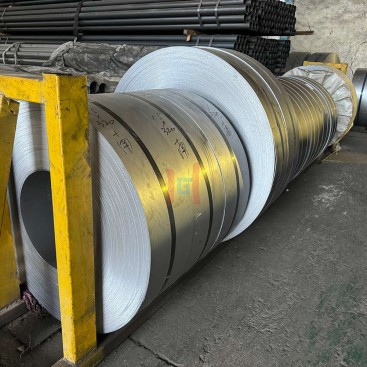
Aluminized steel coil can be processed into chimney liner sections through a continuous forming process:
| Bước xử lý | Sự miêu tả |
|---|---|
| Rạch cuộn | Adjust width according to pipe diameter |
| tạo hình cuộn | Create cylindrical liner shape |
| Spiral or Longitudinal Welding | Connect pipe structure |
| Cutting and Inspection | Prepare finished liner sections |
Double Wall Chimney System Design
In many chimney systems, aluminized steel is used as the inner heat-resistant layer, while the external layer provides weather protection. This structure combines thermal performance with improved outdoor durability.
- Inner liner: aluminized steel for heat and oxidation resistance.
- Lớp cách nhiệt: reduces external temperature.
- Outer shell: protects against weather exposure.
Standards and Material Verification
Chimney liner projects should confirm material requirements according to the applicable chimney and heating equipment standards. Specifications may include temperature classification, chống ăn mòn, sức mạnh cơ học, và yêu cầu sản xuất.
For certified chimney systems, manufacturers should verify whether aluminized steel meets the required system approval requirements, such as those related to chimney construction standards including UL 103 ứng dụng.
Recommended Aluminized Steel Specifications for Chimney Liners
| Ứng dụng | Typical Thickness | Xử lý |
|---|---|---|
| Small Gas Chimney Liner | 0.8-1.2mm | Roll forming and welding |
| Industrial Flue Sections | 1.2-2.0mm | Pipe fabrication |
| Double Wall Chimney Inner Layer | 1.0-1.5mm | Continuous forming |
Teda Ganghua Aluminized Steel Supply for Chimney Applications
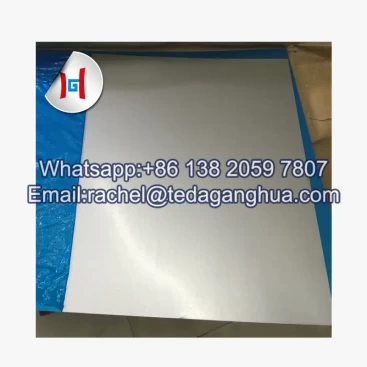
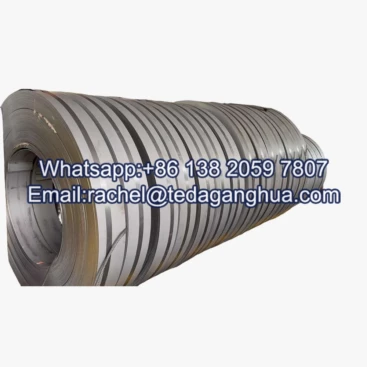
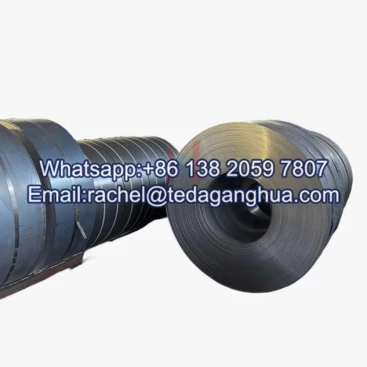
Vật tư Teda Ganghua cuộn dây thép nhôm cho các nhà sản xuất ống khói, nhà sản xuất thiết bị sưởi ấm, và các công ty sản xuất kim loại. Với hiệu suất lớp phủ ổn định, tùy chọn độ dày tùy chỉnh, và hỗ trợ xử lý, Teda Ganghua giúp khách hàng phát triển ống khói đáng tin cậy, lớp lót bên trong, và các bộ phận chịu nhiệt.
Việc lựa chọn vật liệu lót ống khói phù hợp đòi hỏi phải cân bằng khả năng chịu nhiệt, tiếp xúc ngưng tụ, cuộc sống phục vụ, và yêu cầu sản xuất. Thép Aluminized cung cấp một lựa chọn kinh tế cho nhiều hệ thống ống khói nhiệt độ trung bình khi các điều kiện ứng dụng được đánh giá đúng.