- Sự miêu tả
Sự miêu tả
Aluminized Steel for Toaster Ovens: Compact Appliance Material for Heating Chambers & Heat Control
Aluminized steel for toaster ovens is widely selected for compact kitchen appliances because it combines heat resistance, thermal reflection, Bảo vệ ăn mòn, và hiệu quả chi phí. In small electric ovens, the material must withstand repeated heating cycles while maintaining stable shape and surface quality.
Compared with stainless steel solutions, aluminized steel provides a more economical option for temperature ranges commonly found in toaster ovens. Its aluminum-silicon coating creates a protective oxide layer that improves oxidation resistance during heating.
Where Aluminized Steel Is Used in Toaster Ovens
| Thành phần | Main Function | Material Requirement |
|---|---|---|
| Heating Chamber | Heat reflection and oxidation resistance | Stable performance under repeated heating |
| Inner Wall Panels | Protect internal structure and improve cleaning | Good forming and surface quality |
| Baking Tray | Food contact and heat transfer | Flatness and corrosion resistance |
| Outer Housing | Structural protection | Appearance and mechanical strength |
Why Toaster Oven Manufacturers Choose Aluminized Steel
A toaster oven operates at moderate temperatures, usually around 200-250°C during normal baking. Tuy nhiên, areas near heating elements may experience higher local temperatures. The aluminum coating provides additional protection against oxidation in these hot zones.
- Heat reflection: The aluminum surface helps reflect radiant heat inside the chamber and supports more uniform heating.
- Chống oxy hóa: The Al-Si coating forms a protective aluminum oxide layer during high-temperature exposure.
- Khả năng định dạng: Thin aluminized steel sheets can be stamped and bent into complex appliance shapes.
- Cost control: It offers a lower-cost alternative compared with full stainless steel structures.
Recommended Thickness for Toaster Oven Applications
| Ứng dụng | Typical Thickness | Phương pháp xử lý |
|---|---|---|
| Inner Chamber Panels | 0.5-0.8mm | Stamping and bending |
| Heating Area Components | 0.6-1.0mm | Precision forming |
| Structural Panels | 0.8-1.2mm | Cutting and assembly |
Aluminized Steel vs Stainless Steel in Toaster Ovens
| So sánh | Thép Aluminized | 304 thép không gỉ |
|---|---|---|
| Khả năng chịu nhiệt | Suitable for normal toaster oven temperatures | Higher temperature capability |
| Material Cost | Tiết kiệm hơn | Higher investment |
| Forming Performance | Good for appliance stamping | Requires stronger forming control |
| Main Advantage | Cost-performance balance | Premium corrosion resistance |
Surface Protection for Appliance Production
During appliance manufacturing, surface appearance is an important consideration. Aluminized steel sheets can be supplied with protective films to reduce scratches during cutting, dập, vận tải, and assembly.
For visible appliance components, manufacturers can combine aluminized steel with additional coating processes to achieve better appearance and durability.
Manufacturing Considerations for Toaster Oven Panels
The compact structure of toaster ovens requires materials that support efficient mass production. Aluminized steel performs well in common appliance manufacturing processes:
- Progressive stamping for inner panels
- Bending for chamber structures
- Punching for ventilation openings
- Laser cutting for customized designs
- Assembly welding with proper coating protection
How to Select Aluminized Steel for Toaster Oven Production
When purchasing aluminized steel for appliance manufacturing, buyers should check:
- Base steel grade and thickness tolerance
- Aluminum coating quality and uniformity
- Surface condition for stamping operations
- Flatness requirements after forming
- Khả năng tương thích với dây chuyền sản xuất thiết bị
Teda Ganghua Cung cấp thép Aluminized cho các ứng dụng thiết bị
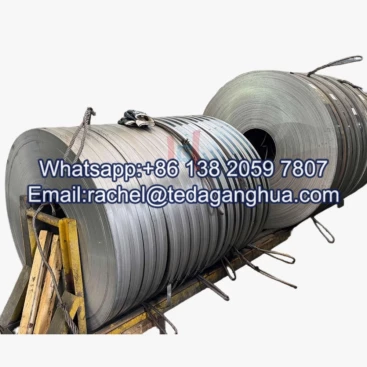
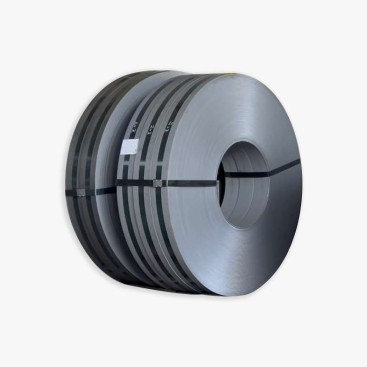
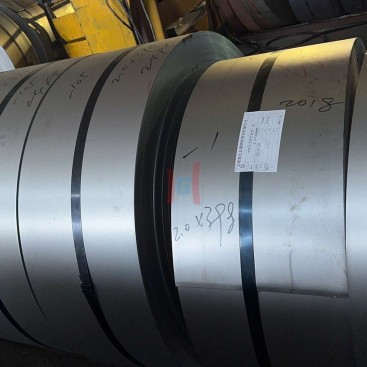
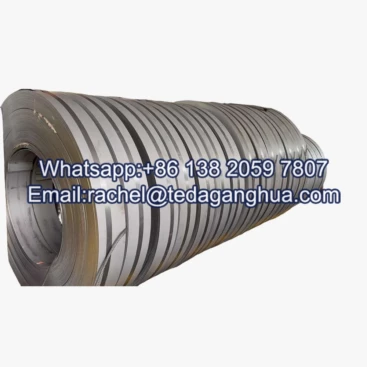
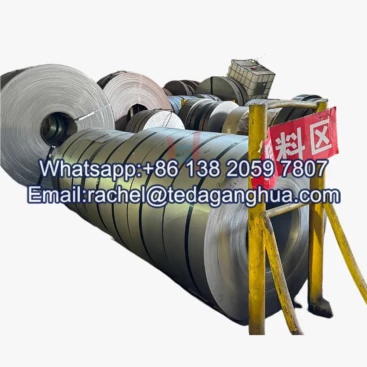
Vật tư Teda Ganghua cuộn dây thép nhôm giải pháp cho các nhà sản xuất lò nướng bánh mì, nhà sản xuất thiết bị nhà bếp, và các công ty gia công kim loại. Với hiệu suất lớp phủ ổn định, thông số kỹ thuật tùy chỉnh, và hỗ trợ xử lý, Teda Ganghua giúp khách hàng có được vật liệu đáng tin cậy cho buồng sưởi ấm, khay, và linh kiện thiết bị.
Đối với các ứng dụng lò nướng nhỏ gọn, lựa chọn thông số kỹ thuật thép aluminized chính xác sẽ cải thiện hiệu quả sản xuất, hiệu suất nhiệt, và độ tin cậy lâu dài của sản phẩm.